


New Vehicle Sales Continue Downward Slide in April, Edmunds Forecasts
Analysts say April will be the worst auto sales month in at least 30 years due to the coronavirus pandemic.


Analysts say April will be the worst auto sales month in at least 30 years due to the coronavirus pandemic.
SANTA MONICA, Calif. — The car shopping experts at Edmunds say that April will be a record down month for the auto industry due to the coronavirus (COVID-19) pandemic, forecasting that 633,260 new cars and trucks will be sold in the U.S. for an estimated seasonally adjusted annual rate (SAAR) of 7.7 million. This reflects a 52.5% decrease in sales from April 2019, and a 36.6% decrease from March 2020. Edmunds analysts note that this is the lowest-volume sales month dating back to at least 1990; the second worst month for sales in the past 30 years was January of 2009, when 655,000 vehicles were sold.
April is likely the bottom for auto sales, so hopefully there’s only room for improvement from here.
“April auto sales took the biggest hit we’ve seen in decades,” said Jessica Caldwell, Edmunds’ executive director of insights. “These bleak figures aren’t just because consumers are holding back on their purchases — fleet sales are seeing an even more dramatic drop as daily rental business has dried up. Like many other industries, the entire automotive sector is struggling as the coronavirus crisis continues to cripple the economy.”
Edmunds experts note that plans for easing shelter-in-place orders across the country in May could open up opportunities for automakers and dealers to capture some deferred demand, but there is still economic uncertainty ahead.
“April is likely the bottom for auto sales, so hopefully there’s only room for improvement from here,” said Caldwell. “But with employment and consumer confidence at new lows, the question remains: Will people be in the position to purchase new cars? Although automakers are doing their part by offering landmark incentives, those might not be enough if consumers cannot recover financially from this crisis.”
More insight into recent auto industry trends can be found in the Edmunds Industry Center at http://www.edmunds.com/industry-center/.
Originally posted on F&I and Showroom
More Industry
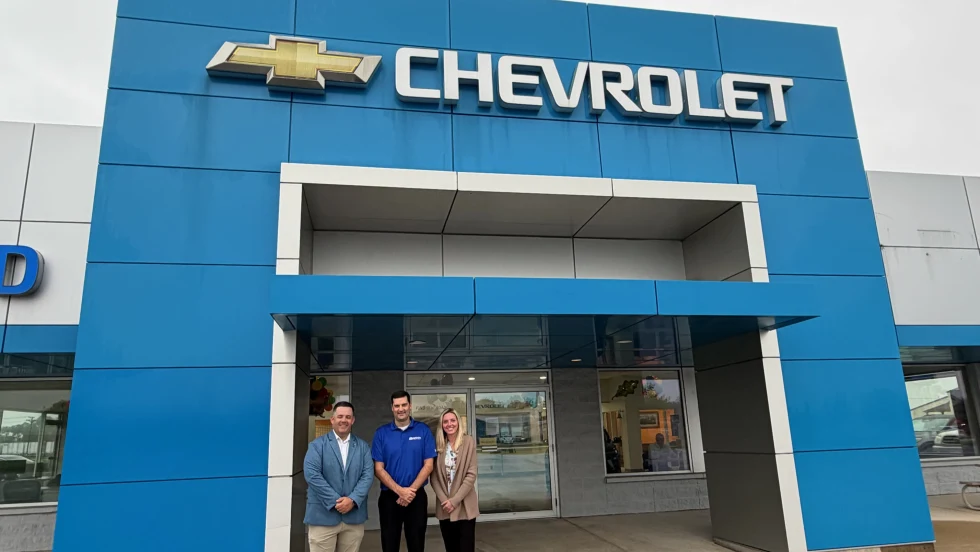
Badger State Dealership Gets New Owner
The longtime southern Wisconsin store moved from one area auto group to another, keeping the business in Dairyland.
Read More →
The Cycle of Negative Equity
Third-quarter data shows consumers still rolling over debt and stretching loan terms, raising their risk of remaining underwater.
Read More →
Charger Network Growth Slows
Despite a projected increase in public EV chargers in 2026, charging infrastructure remains a top concern for consumers as the gap between the most and least EV-friendly places remains substantial.
Read More →
Lenders, Consumers Take on More Auto Loan Risk
September records loosened credit access the most in over a decade as buyers took advantage of the conditions to afford trading, though loan applications fell.
Read More →
Next-Gen Hybrids in Sight
Dealerships can expect to see revamped hybrids from Honda next year as the company rolls out a new system and model lineup.
Read More →
Gem State Stores Change Hands
A larger auto group founded in the industry’s early years sold two franchises to a neighbor group that's on a growth spurt.
Read More →
Charging In Motion
Honda has been researching wireless in-motion charging for electric vehicles since 2025, and new technology developments have put it a step closer to a final product.
Read More →
Twin Cities Stores Sell
Minnesota-based Walser Automotive Group made what it called the most significant acquisition in its history with a three-rooftop deal in Minneapolis.
Read More →
U.S. Auto Sales Still Below Prepandemic Levels
Mobility Global industry observers don’t expect the market to return to the higher volumes that became routine before Covid but to stay well below its potential.
Read More →
The Powertrain Shift
Electric-vehicle owners are backpedaling, according to new data, with product availability driving many to shift back to gas-powered engines.
Read More →