


Partial Automation Doesn’t Add to Safety
Research shows systems don’t prevent crashes and could even cause them.


The systems use cameras and sensors to propel a vehicle on the road and avoid other vehicles, but IIHS said they can’t handle many of the everyday traffic scenarios that people can.
Pexels/Erik McIean
New research has found that partially automated vehicle systems do little if anything to prevent crashes.
The Insurance Institute for Highway Safety said a combination of crash data, insurance records, and its own studies of vehicles led it to conclude that the systems essentially amount to convenience features rather than safety ones.
The systems use cameras and sensors to propel a vehicle on the road and avoid other vehicles, but IIHS said they can’t handle many of the everyday traffic scenarios that people can, so drivers have to closely monitor progress in order to take over if needed. Yet the systems can lull drivers into a false sense of security, potentially reducing their attention on what’s taking place.
Following up on research it conducted in 2021, IIHS examined BMW and Nissan vehicles with the systems in a new study, finding that they don’t provide added safety on the road. Vehicles studied were 5 to 11 years old, and IIHS said it’s possible newer systems could be more effective, but it theorized that data already amassed for such technology already gives an accurate picture of its safety capabilities.
“At a minimum, safeguards like those IIHS promotes through its rating program are essential to reduce the risks that drivers will zone out or engage in other distracting activities while partial automation is switched on,” said IIHS Senior Vice President for Research Jessica Cicchino.
Over half of new vehicle models on the market last year came with partial automation as either standard or optional, the nonprofit group said. That’s despite the crashes that have happened while the systems were in use.
It distinguishes the partially automated features, which must be turned on and are typically used only on highways, from purely crash-avoidance features like automated emergency braking and lane-departure warnings, which activate only when danger arises.
Originally posted on Auto Dealer Today
More Industry

First-Half Dealership Deals Up
Buy-sell activity shows that acquirers are looking for value and scale as many retailers seek to leave an increasingly competitive and complex market, Kerrigan Advisors reports.
Read More →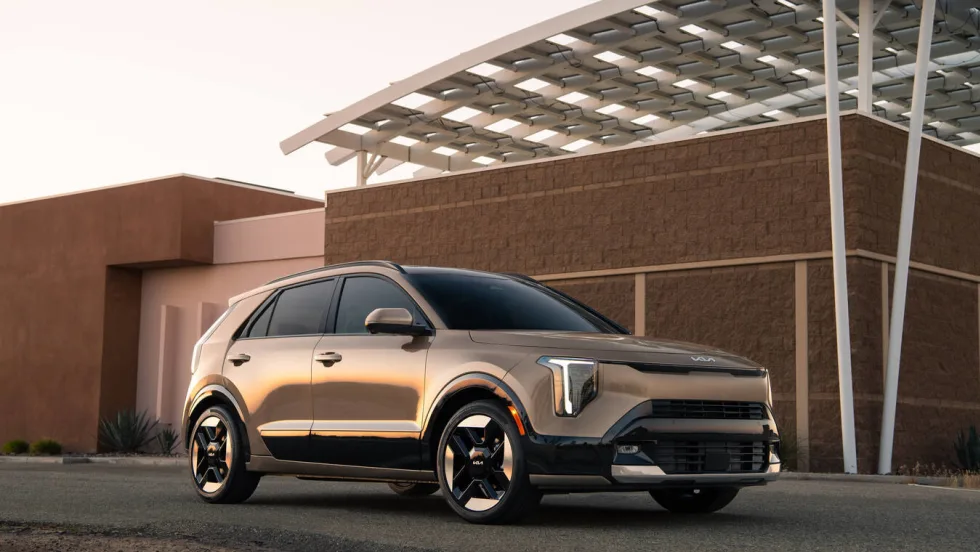
Kia Closes Out Summer With a Bang
Its U.S. subsidiary broke multiple records in August, in part due to a surge of demand for hybrids models.
Read More →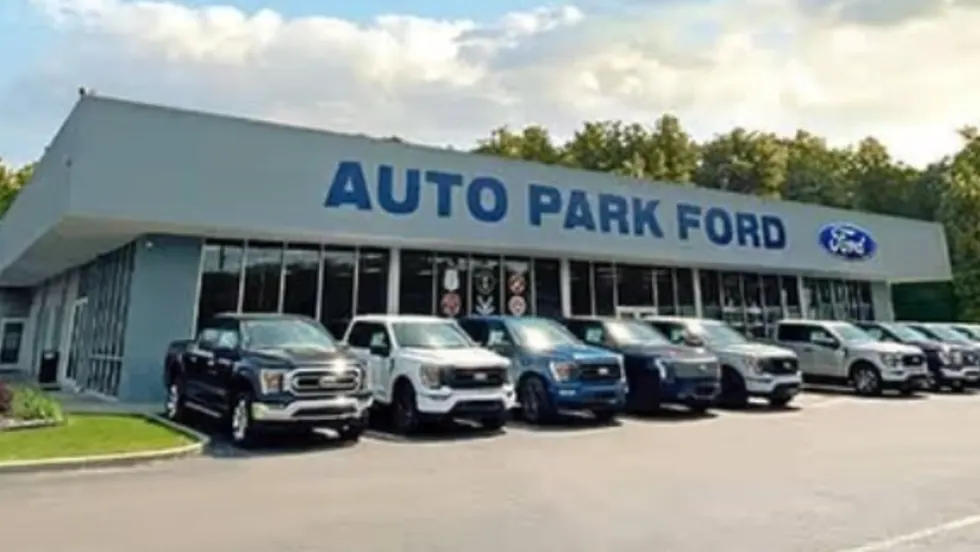
Indiana Dealership Changes Hands
A 30-year-old Ford dealership in Indiana has a new owner and will soon be undergoing renovations to meet manufacturer requirements.
Read More →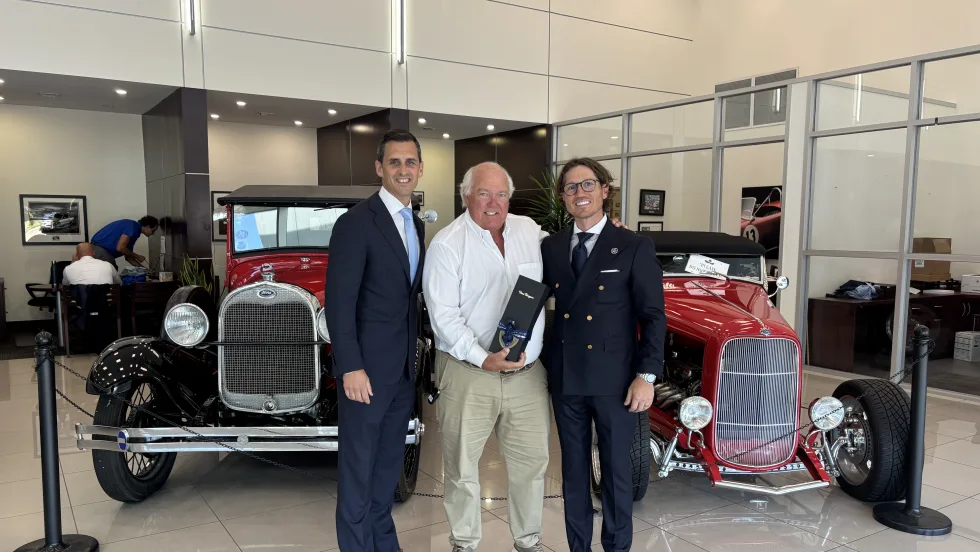
Texas Dealership No Longer in the Family
The Ford store, a longtime cornerstone of the Houston market, is now part of one of the fastest-growing U.S. auto groups.
Read More →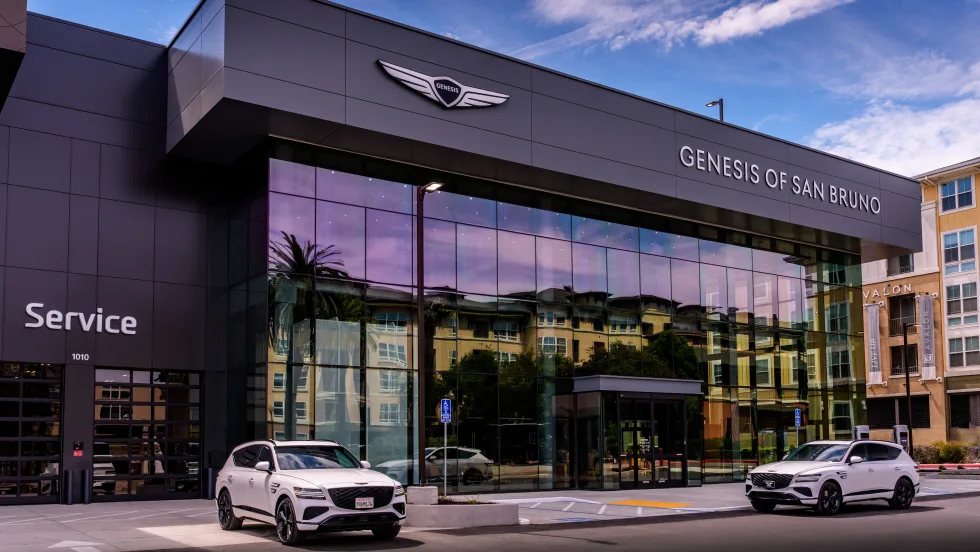
Genesis Grows California Presence
The Cardinale Automotive Group opened its third Genesis rooftop in the Golden State, Genesis of San Bruno, a stand-alone dealership serving the San Francisco Bay Area.
Read More →
August Auto Sales a Mixed Bag
An early forecast shows strong business despite consumer hurdles, and hybrids are a big piece of their affordability coping strategy.
Read More →
EV Market Humming Along
July sales show steady growth as the segment stabilizes from last year’s artificial surge following pullback of federal support.
Read More →
Auto Loan Delinquency Rates Stabilize
Auto loans are a main driver of nonmortgage consumer debt, but delinquency rates stabilized in the second quarter across all credit risk tiers.
Read More →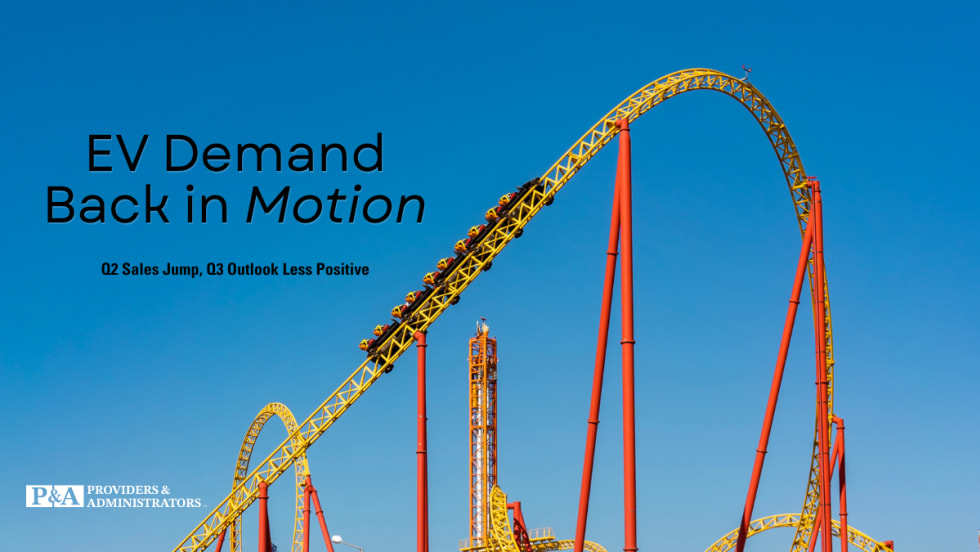
EV Sales Recover in Q2
The EV sales roller coaster continues as numbers show improvement, but industry experts predict a year-over-year third-quarter decline and fourth-quarter jump.
Read More →
The Cheapest Hybrids to Fuel
The powertrain is increasing in popularity, in no small part due to its fuel economy. A new report lists the most efficient hybrids on the market.
Read More →