


Prime Buyers Flock to Used Vehicles in Q2 Report
Experian’s Q2 auto finance report consumers continue to uncover ways to manage monthly payments. For a record percentage of prime borrowers, that meant passing on a $32,000-plus new-vehicle loan in favor of a pre-owned unit.


Outstanding automotive loan balances totaled $1.197 billion in the second quarter, with the percentage of outstanding loan balances held by subprime and deep-subprime consumers remaining below 19%.
Photo courtesy Experian
SCHAUMBURG, Ill. — Affordability continues to remain top-of-mind for most in the automotive industry. However, consumers appear to be making due, according to Experian’s Q2 2019 State of the Automotive Finance Market report, which finds consumers are exploring all available options to make costs more manageable, including extending loan terms and deciding between new or used vehicles.
One of the more notable ways consumers have managed to make their monthly payments more affordable is to opt for used vehicles. In fact, prime and superprime consumers financed used vehicles at record levels — these borrowers comprised more than 57% of used-vehicle financing during the second quarter.
The shift to used vehicles comes as the average loan amounts for vehicles continue to rise.
“In previous years, it was common for most prime borrowers to opt for new vehicles. These vehicles tend to have better warranties and require less upfront maintenance,” said Melinda Zabritski, Experian’s senior director of automotive financial solutions. “But with loan amounts for new and used vehicles on the rise, and a higher volume of vehicles coming off-lease, there are late-model options available that borrowers can consider. It’s important for the industry to keep an eye on these trends to help inform future business decisions.”
The shift to used vehicles comes as the average loan amounts for vehicles continue to rise. Based on the report, the average amount for a new-vehicle loan amount was $32,119, while the average used-vehicle loan amount hit $20,156. Additionally, the average monthly payments were $550 and $392 for new and used, respectively.
Read: Rising Loan Amounts Drive Consumers to the Used-Vehicle Market
The report also found that consumers appear to be managing payments by extending loan terms. The average loan terms for new and used vehicles reached record highs. For new vehicles, the average loan term was 69.17 months, while the average loan term was 64.82 months for used vehicles. The extension of loan terms come as interest rates continue to remain more than 6% for new vehicles and more than 10% for used.
“There are many factors that can impact vehicles costs and car buying decisions, but perhaps the factor that is most critical is a car shopper’s credit score — it can impact interest rates and loan terms, which impacts monthly payments,” Zabritski said. “Prior to heading into the dealership, car shoppers should explore ways to improve their credit standing, such as leveraging new tools and resources available to them, like Experian Boost, that can help increase their score and potentially arrange better terms.”
Some industry pundits continue to be concerned that consumers can’t handle larger payments. However the data tells a different story, analysts said, noting that delinquencies remained stable in Q2 2019. Thirty-day delinquencies dropped to 2.11%, from 2.12% in Q2 2018, while 60-day delinquencies saw a slight increase from 0.64% to 0.65% in the same timeframe.
Originally posted on F&I and Showroom
More Industry
Charger Network Growth Slows
Despite a projected increase in public EV chargers in 2026, charging infrastructure remains a top concern for consumers as the gap between the most and least EV-friendly places remains substantial.
Read More →
Lenders, Consumers Take on More Auto Loan Risk
September records loosened credit access the most in over a decade as buyers took advantage of the conditions to afford trading, though loan applications fell.
Read More →
Next-Gen Hybrids in Sight
Dealerships can expect to see revamped hybrids from Honda next year as the company rolls out a new system and model lineup.
Read More →
Gem State Stores Change Hands
A larger auto group founded in the industry’s early years sold two franchises to a neighbor group that's on a growth spurt.
Read More →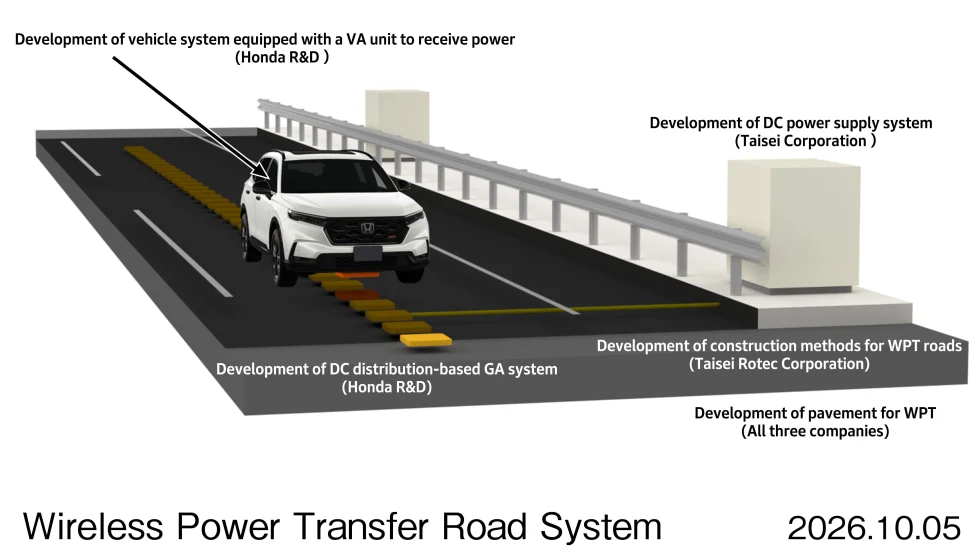
Charging In Motion
Honda has been researching wireless in-motion charging for electric vehicles since 2025, and new technology developments have put it a step closer to a final product.
Read More →
Twin Cities Stores Sell
Minnesota-based Walser Automotive Group made what it called the most significant acquisition in its history with a three-rooftop deal in Minneapolis.
Read More →
U.S. Auto Sales Still Below Prepandemic Levels
Mobility Global industry observers don’t expect the market to return to the higher volumes that became routine before Covid but to stay well below its potential.
Read More →
The Powertrain Shift
Electric-vehicle owners are backpedaling, according to new data, with product availability driving many to shift back to gas-powered engines.
Read More →
Achromatic Autos
The shades that dominate the U.S. car market don’t call attention to themselves, though grayscale may have plateaued after a 30-year upswing, research shows.
Read More →
Used-Vehicle Affordability Worsens
Listing prices in August defied seasonal trends, rising above $27,000 for the second time this year.
Read More →