


Proposed Bill Could Cherry Pick Winners and Losers in EV Game
A proposal that gives higher EV tax credits to union shops has caused controversy over preferential treatment for EV incentives.

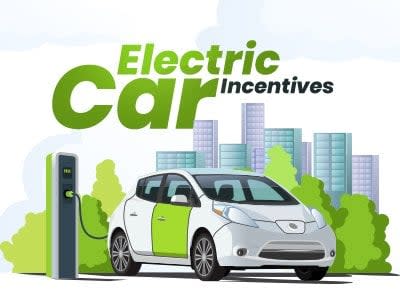
A proposal that ties EV tax credits to vehicles built in the U.S. by union labor has some manufacturers complaining of favoritism.
A proposal that ties electric vehicle (EV) tax credits to vehicles built in the U.S. by union labor has some manufacturers complaining of favoritism.
The Clean Energy for America Act, advanced by the Senate Finance Committee in May, includes a proposal that would give consumers as much as $12,500 for EVs assembled by union workers in U.S. factories.
Introduced by Democratic Sen. Debbie Stabenow of Michigan, the proposal lacks a Republican sponsor. This makes it unlikely that the full Senate will take up the proposal. But it has stirred up some industry pundits who want a level playing field for EVs.
“Incentives for EV sales should be broadly applicable across the marketplace in order to accelerate sales and consumer adoption,” Don Stewart, executive vice president of public affairs at the Alliance for Automotive Innovation, told Auto News.
Currently EV purchases represent a fraction of total U.S. vehicle sales, which is why industry groups like the Alliance urge policymakers to support efforts that encourage adoption. Policies that limit eligible vehicles could slow EV adoption.
Stabenow’s proposal would give purchasers of internationally made autos a lower incentive since the manufacturers do not operate union plants in the U.S.
The Alliance is calling for supply-and-demand approaches where all stakeholders collaborate and providing broad-based consumer incentives at federal and state levels. Many Alliance members are investing millions in EVs to take advantage of the Biden Administration’s commitment to EVs.
Bloomberg reported last month that Volkswagen plans to make and sell more EVs in the United States after the president unveiled a $174 billion plan to promote EVs. But the German automaker told Automotive News in a statement that it supports incentives that “do not favor one automaker over another.”
Jennifer Safavian, CEO of Autos Drive America, states the proposed tax incentives are unfair to American automakers who choose not to join a union. She says the proposal prioritizes union works over nonunion workers and called the practice discriminatory.
Steve Gates, the 2021 chairman of the American International Automobile Dealers Association agrees. The third-generation dealer sells Ford, Toyota and other brands called on the government to not be “so narrow” in its approach.
He concluded, “I don’t think the government should pick winners and losers, and that’s what this proposed legislation does.”
Originally posted on Auto Dealer Today
More Industry

The Powertrain Shift
Electric-vehicle owners are backpedaling, according to new data, with product availability driving many to shift back to gas-powered engines.
Read More →
Achromatic Autos
The shades that dominate the U.S. car market don’t call attention to themselves, though grayscale may have plateaued after a 30-year upswing, research shows.
Read More →
Used-Vehicle Affordability Worsens
Listing prices in August defied seasonal trends, rising above $27,000 for the second time this year.
Read More →
First-Half Dealership Deals Up
Buy-sell activity shows that acquirers are looking for value and scale as many retailers seek to leave an increasingly competitive and complex market, Kerrigan Advisors reports.
Read More →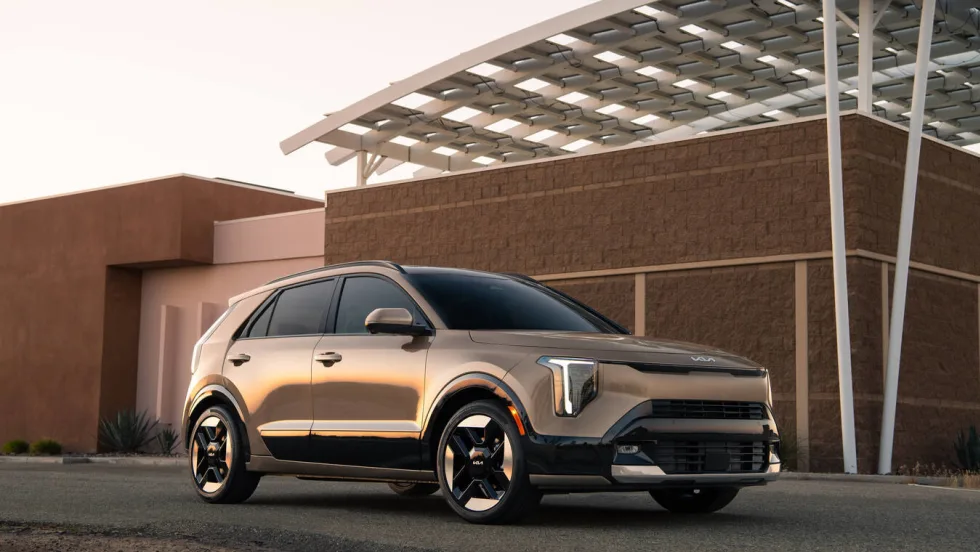
Kia Closes Out Summer With a Bang
Its U.S. subsidiary broke multiple records in August, in part due to a surge of demand for hybrids models.
Read More →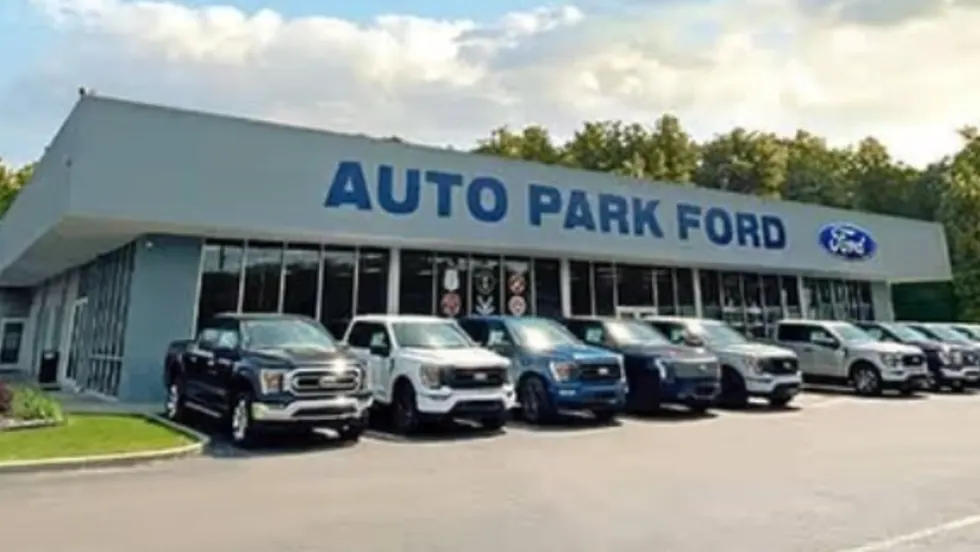
Indiana Dealership Changes Hands
A 30-year-old Ford dealership in Indiana has a new owner and will soon be undergoing renovations to meet manufacturer requirements.
Read More →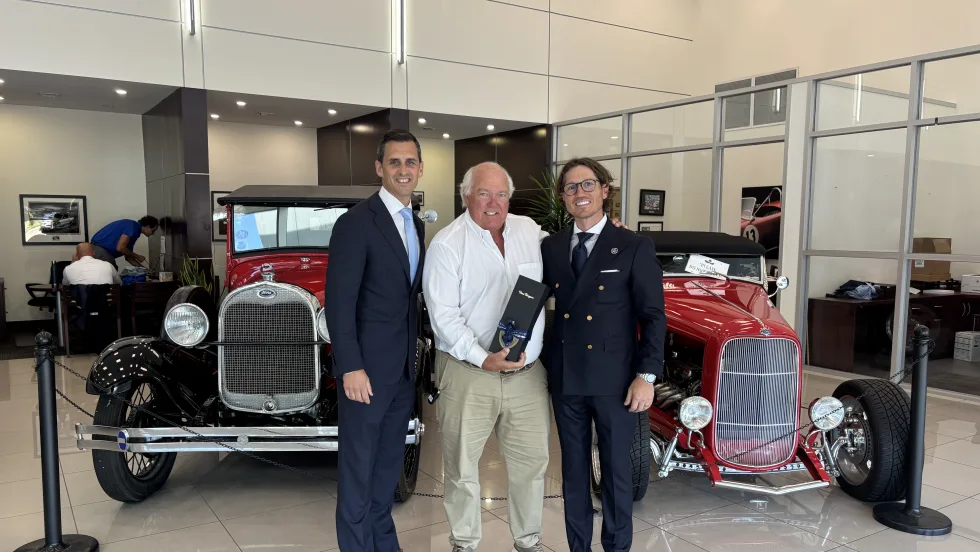
Texas Dealership No Longer in the Family
The Ford store, a longtime cornerstone of the Houston market, is now part of one of the fastest-growing U.S. auto groups.
Read More →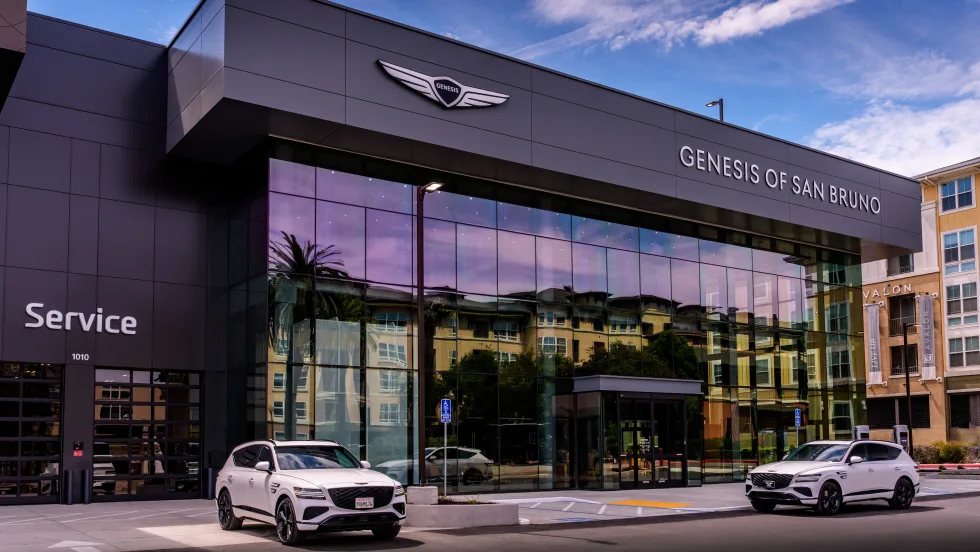
Genesis Grows California Presence
The Cardinale Automotive Group opened its third Genesis rooftop in the Golden State, Genesis of San Bruno, a stand-alone dealership serving the San Francisco Bay Area.
Read More →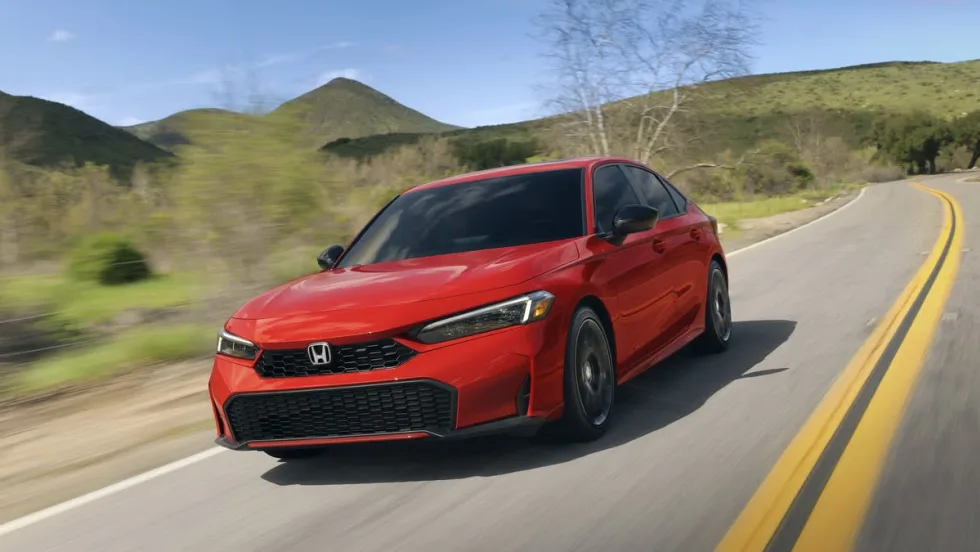
August Auto Sales a Mixed Bag
An early forecast shows strong business despite consumer hurdles, and hybrids are a big piece of their affordability coping strategy.
Read More →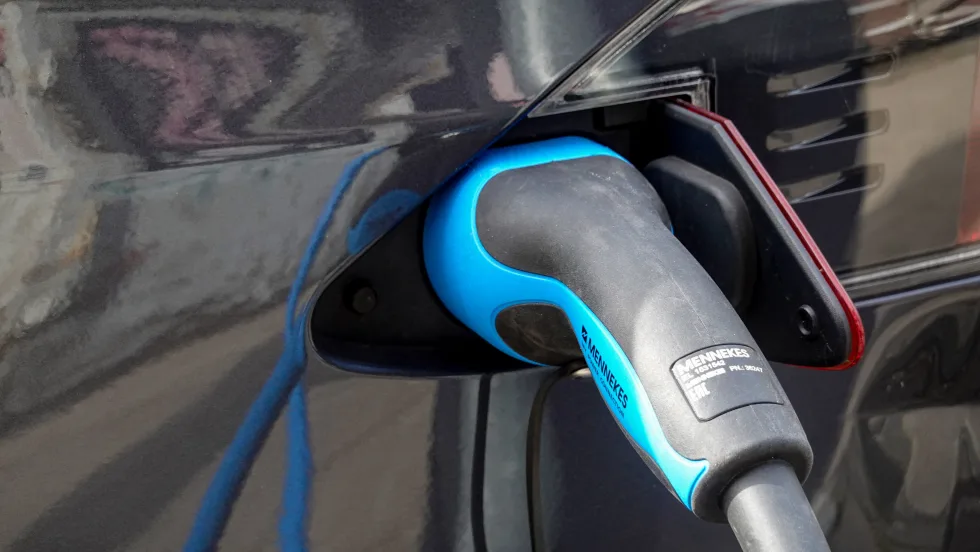
EV Market Humming Along
July sales show steady growth as the segment stabilizes from last year’s artificial surge following pullback of federal support.
Read More →