


“Ruinous” Practices Threaten Automakers, Warns FCA’s Marchionne

The U.S. auto market may be heading into a very good year, but there’s still reason to worry, cautioned FCA Chief Executive Officer Sergio Marchionne, during a well-attended media “roundtable” at the opening of the North American International Auto Show, reported The Detroit Bureau.
Like other senior executives gathered for a two–day preview, Marchionne said 2015 is likely to bring further sales gains in the U.S. He also said automakers appear to be showing great restraint in holding back on the “ruinous” practices of the past – such as excess incentives – that nearly destroyed the industry during the depths of the Great Recession.
Nonetheless, the outspoken Marchionne said there are still reasons to fret. He pointed to the ongoing problem with excess capacity in Europe, and the fact that the auto business is so costly to compete in that a failure of a single major project could put a company at risk of failure.
Automakers, he said, “need to bring down the cost of execution to de-risk their businesses.” One way to do that, he added, is through further consolidation which would allow product and component sharing on a grand scale.
That said — and clearly with a nod to the disastrous merger of Chrysler and Germany’s Daimler — Marchionne said the industry must avoid “build(ing) these unmanageable monsters.”
Asked specifically whether FCA – the renamed Fiat Chrysler – was holding any possible alliance discussions, the Canadian-educated executive immediately said, “no,” but quickly added he wouldn’t talk about such plans in a media setting, anyway.
In a wide-ranging conversation with reporters from around the world, Marchionne discussed topics ranging from the recall mess of 2014 to investment plans for countries such as Canada and Mexico.
On a positive note, the man who pulled together the merger of Italy’s Fiat and American Chrysler said he thinks the auto industry continues to show discipline going into 2015. Some competitors – including Honda’s top American executive John Mendel – warn that there are signs of a costly incentives war brewing as manufacturers try to build sales. But Marchionne sees no sign of the sloppy practices that led Chrysler and General Motors to bankruptcy.
What is a potential problem for the industry is the costly explosion of recalls. FCA was hit hard by safety issues last year, though not nearly as bad as cross-town rival General Motors which had service actions covering 27 million vehicles.
Nonetheless, Marchionne has challenged federal regulators on several occasions when told to make recalls FCA didn’t think justified. The normally direct Marchionne sidestepped questions about whether some of those actions were unjustified. He also acknowledged that in the wake of public concerns, the huge recall of vehicles equipped with Takata airbags was a painful necessity.
“The only acceptable answer to the airbag issue may have been overkill.” That said, Marchionne is looking for things to “stabilize over the next 12 to 18 months and we’ll wind up with a state of equilibrium,” rather than watch steadily more and more vehicles face recall.
Like many industry leaders, Marchionne is watching the plunge in fuel prices and the concurrent surge in demand for pickups and other big vehicles. According to a monthly report by the University of Michigan Transportation Research Institute, that has resulted in a sudden drop in fuel economy for the average vehicle sold in the U.S. It also threatens to make it difficult for the industry to meet the 54.5 mpg Corporate Average Fuel Economy target for 2025.
When asked if the government needs to delay or reduce that figure, Marchionne said, “We will make that point when the review opens up in 2017.” That’s when a mandated review of the feasibility of the CAFE standards is scheduled.
Nonetheless, he said FCA continues taking the necessary steps to meet the fuel economy target. The maker is set to add a new hybrid version of its next-generation minivan range, Marchionne noted, and then will expand fuel-saving electrification efforts to other product lines.
More Industry

Charger Network Growth Slows
Despite a projected increase in public EV chargers in 2026, charging infrastructure remains a top concern for consumers as the gap between the most and least EV-friendly places remains substantial.
Read More →
Lenders, Consumers Take on More Auto Loan Risk
September records loosened credit access the most in over a decade as buyers took advantage of the conditions to afford trading, though loan applications fell.
Read More →
Next-Gen Hybrids in Sight
Dealerships can expect to see revamped hybrids from Honda next year as the company rolls out a new system and model lineup.
Read More →
Gem State Stores Change Hands
A larger auto group founded in the industry’s early years sold two franchises to a neighbor group that's on a growth spurt.
Read More →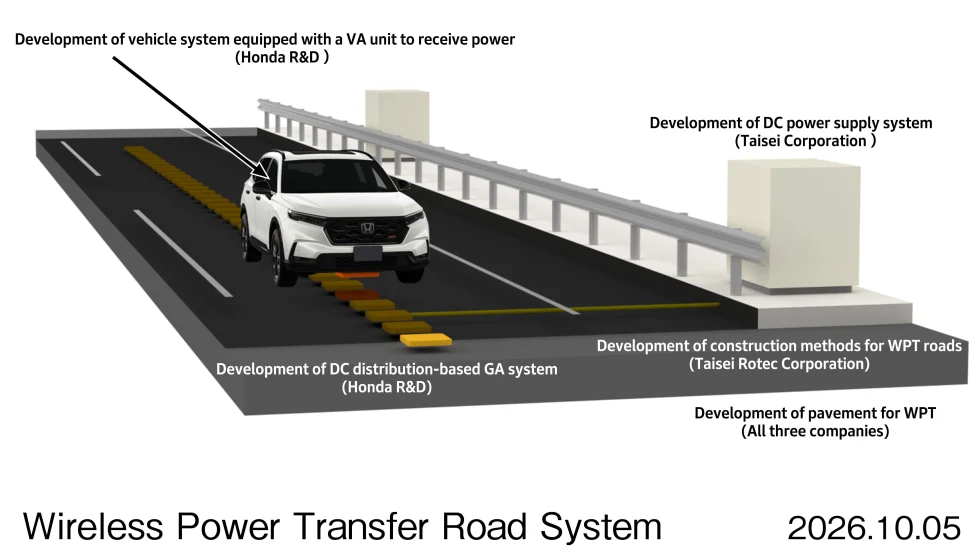
Charging In Motion
Honda has been researching wireless in-motion charging for electric vehicles since 2025, and new technology developments have put it a step closer to a final product.
Read More →
Twin Cities Stores Sell
Minnesota-based Walser Automotive Group made what it called the most significant acquisition in its history with a three-rooftop deal in Minneapolis.
Read More →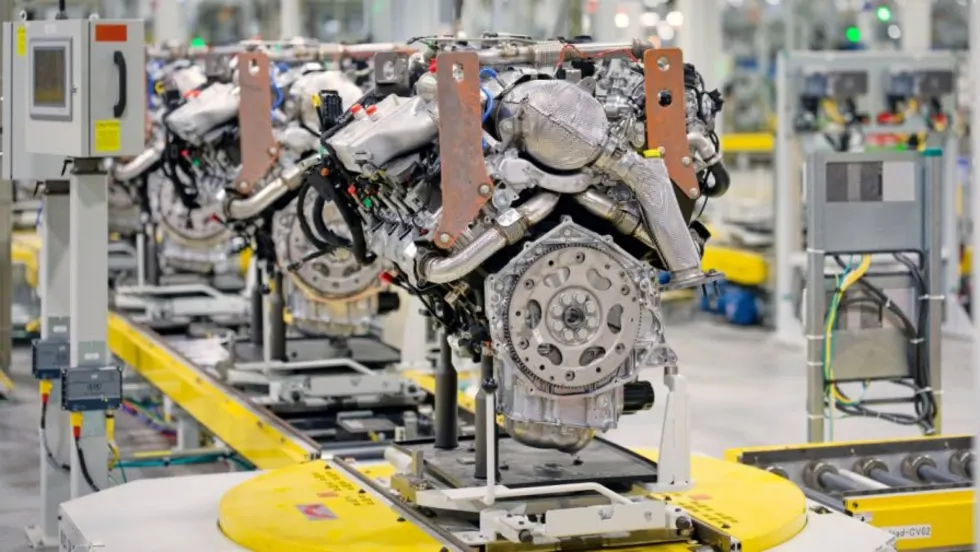
U.S. Auto Sales Still Below Prepandemic Levels
Mobility Global industry observers don’t expect the market to return to the higher volumes that became routine before Covid but to stay well below its potential.
Read More →
The Powertrain Shift
Electric-vehicle owners are backpedaling, according to new data, with product availability driving many to shift back to gas-powered engines.
Read More →
Achromatic Autos
The shades that dominate the U.S. car market don’t call attention to themselves, though grayscale may have plateaued after a 30-year upswing, research shows.
Read More →
Used-Vehicle Affordability Worsens
Listing prices in August defied seasonal trends, rising above $27,000 for the second time this year.
Read More →