


SBA Dealer Financing Program Gets Enhancements

WASHINGTON — Enhancements made possible by the passage of the Small Business Jobs Act have been implemented into a variety of programs operated by the U.S. Small Business Administration (SBA). Among the programs benefiting from the bill is the agency’s dealer financing program.
Signed into law by President Barack Obama in late September, the Jobs Act has allowed the SBA to increase loan limits for its dealer financing program from $2 million to $5 million, ending a yearlong campaign by industry associations to expand the program.
Detailed in the January issue of F&I and Showroom, the National Automobile Dealers Association’s efforts to rebuild retail and dealer financing began at the height of the credit crisis in late 2008. The association’s two-pronged attack included efforts to get retail, lease and dealer financing included in the Term Asset-Backed Securities Loan Facility. The association also looked to the SBA to help restart dealer financing.
The association’s efforts resulted in the creation of the SBA’s Dealer Floor Plan Pilot Initiative, which was launched in July 2009. Among other things, it provided lenders with a 75 percent guarantee for loans of up to $2 million. The main goal was to get lenders with a history in dealer financing back into the market. Unfortunately, the guarantees weren’t enough.
The program’s low turnout led the NADA to commission a lender study to identify what it would take to attract sources to the program. The study resulted in 14 suggested program enhancements, all of which were contained in a letter sent to the SBA on Oct. 26. Among the recommendations was a request for loan limits to be increased to $5 million, which the industry won through Congress’ passage of the Jobs Act.
“Across the country, there are small businesses owners who are in a position to take that next step to grow and create jobs, and these larger loan sizes provide another tool to help them do just that,” SBA Administrator Karen Mills said.
The bill now provides the agency with enough funding to support an estimated $14 billion in lending to small businesses. The Jobs Act also includes additional resources to help increase lending to small businesses, including the State Small Business Credit Initiative, which was announced last week by the Department of Treasury. It will support $15 billion in lending through local programs and the Small Business Lending Fund, which will provide capital to local, community banks to increase their lending to small businesses.
Additionally, the new law contains $12 billion in tax credits for small businesses, including higher deductions for investing in new machines and equipment, zero capital gains for those who buy and hold small business stocks for five years, and a doubling of the maximum deduction for startups to $10,000.
More Industry

Charger Network Growth Slows
Despite a projected increase in public EV chargers in 2026, charging infrastructure remains a top concern for consumers as the gap between the most and least EV-friendly places remains substantial.
Read More →
Lenders, Consumers Take on More Auto Loan Risk
September records loosened credit access the most in over a decade as buyers took advantage of the conditions to afford trading, though loan applications fell.
Read More →
Next-Gen Hybrids in Sight
Dealerships can expect to see revamped hybrids from Honda next year as the company rolls out a new system and model lineup.
Read More →
Gem State Stores Change Hands
A larger auto group founded in the industry’s early years sold two franchises to a neighbor group that's on a growth spurt.
Read More →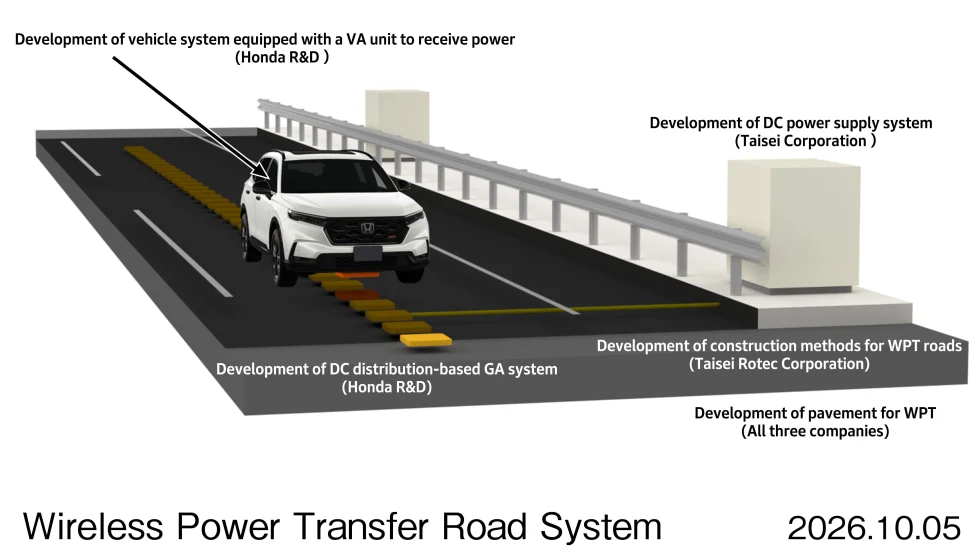
Charging In Motion
Honda has been researching wireless in-motion charging for electric vehicles since 2025, and new technology developments have put it a step closer to a final product.
Read More →
Twin Cities Stores Sell
Minnesota-based Walser Automotive Group made what it called the most significant acquisition in its history with a three-rooftop deal in Minneapolis.
Read More →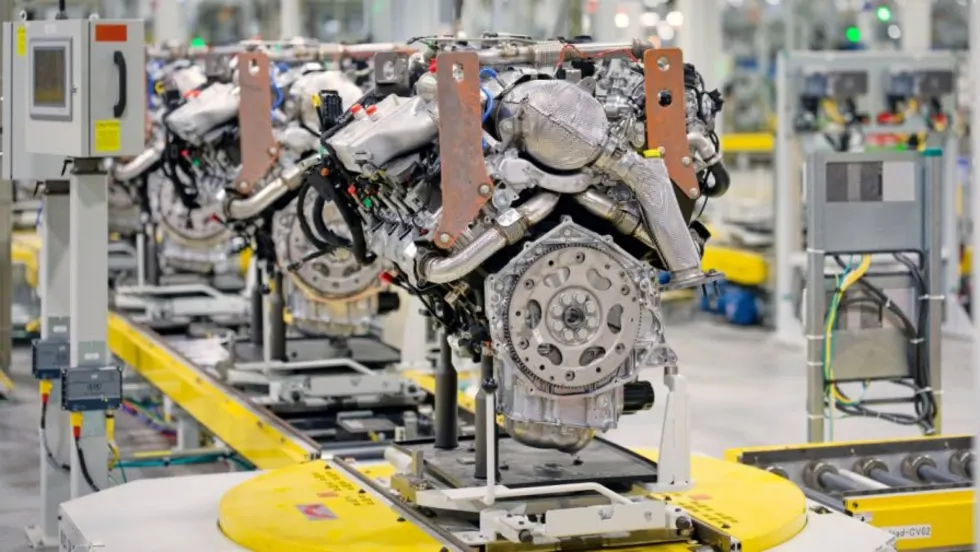
U.S. Auto Sales Still Below Prepandemic Levels
Mobility Global industry observers don’t expect the market to return to the higher volumes that became routine before Covid but to stay well below its potential.
Read More →
The Powertrain Shift
Electric-vehicle owners are backpedaling, according to new data, with product availability driving many to shift back to gas-powered engines.
Read More →
Achromatic Autos
The shades that dominate the U.S. car market don’t call attention to themselves, though grayscale may have plateaued after a 30-year upswing, research shows.
Read More →
Used-Vehicle Affordability Worsens
Listing prices in August defied seasonal trends, rising above $27,000 for the second time this year.
Read More →