


Seat Belt Reminders Could Grow
NHTSA wants front, rear passenger signals in new passenger vehicles.


The NHTSA estimates the rule would prevent more than 100 traffic deaths a year and some 300 injuries.
IMAGE: Pexels/freestocks.org
U.S. traffic safety regulators have proposed more seat belt reminder systems in new passenger vehicles.
The proposed National Highway Traffic Safety Administration rule would require automakers to install the reminder signals for front and rear passenger seats in vehicles of 10,000 pounds gross weight and lighter. The signals are currently required only for the driver’s seat, though the rule would also enhance those.
A visual signal after the car is started and lasting 60 seconds and an audio-visual signal while it’s operating and lasting 30 seconds would alert the driver of unbuckled rear seat belts, much longer than current driver signals last - about 10 seconds. In the front, audio-visual signals would engage until the driver and passenger seat belts are buckled.
The NHTSA says automakers could adjust frequency and volume of the signals for effectiveness and owners’ satisfaction.
The division of the U.S. Department of Transportation estimates the rule, if adopted, would prevent more than 100 traffic deaths a year and some 300 injuries. It said seat belt use is up from a decade ago but that rear seat belt use is lower than that in front seats. It said buckling up cuts risk of fatality in the rear by 55% in passenger cars and by 74% in light trucks and vans.
NHTSA Acting Administrator Ann Carlson said in a press release that half of the nearly 43,000 people who died in auto crashes in 2021 were unbuckled.
The NHTSA will take public comment about the proposed rule for 60 days.
Originally posted on Auto Dealer Today
More Industry
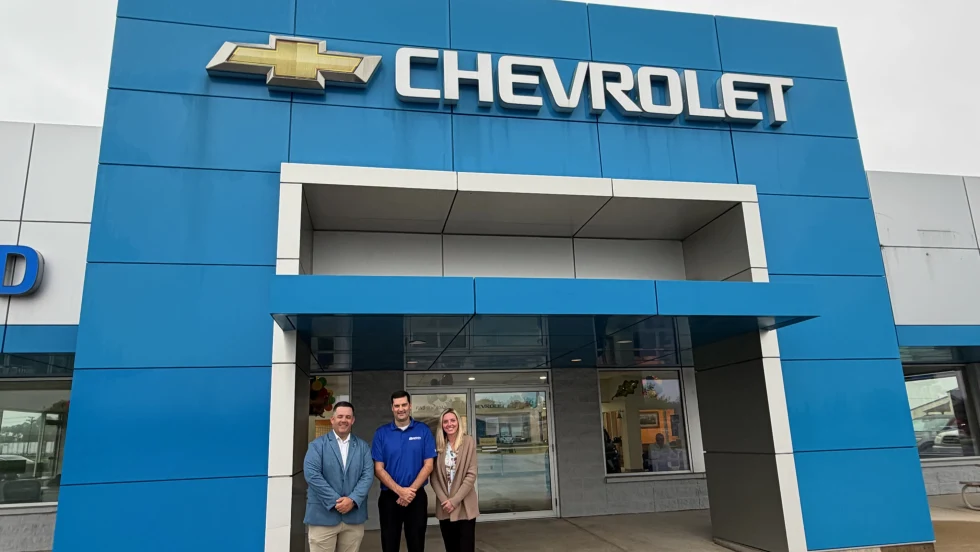
Badger State Dealership Gets New Owner
The longtime southern Wisconsin store moved from one area auto group to another, keeping the business in Dairyland.
Read More →
The Cycle of Negative Equity
Third-quarter data shows consumers still rolling over debt and stretching loan terms, raising their risk of remaining underwater.
Read More →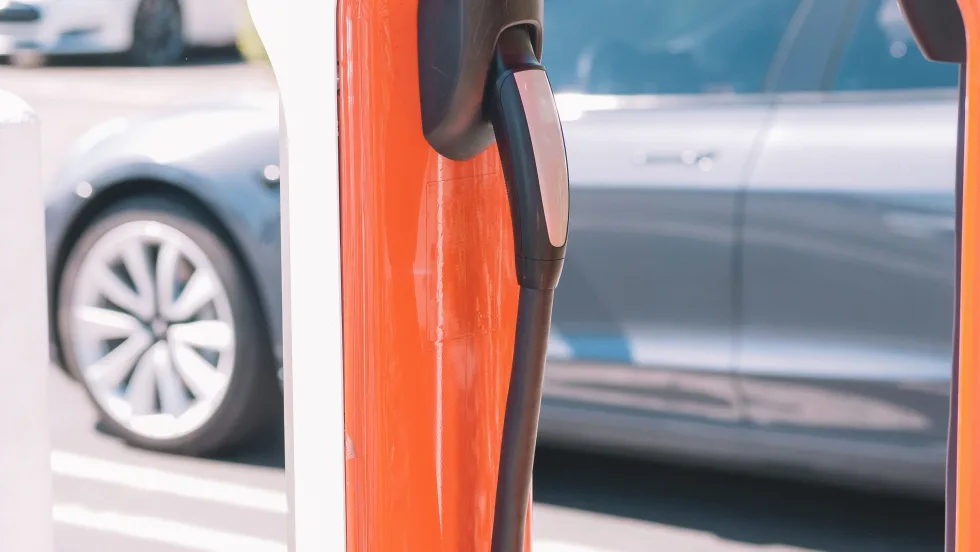
Charger Network Growth Slows
Despite a projected increase in public EV chargers in 2026, charging infrastructure remains a top concern for consumers as the gap between the most and least EV-friendly places remains substantial.
Read More →
Lenders, Consumers Take on More Auto Loan Risk
September records loosened credit access the most in over a decade as buyers took advantage of the conditions to afford trading, though loan applications fell.
Read More →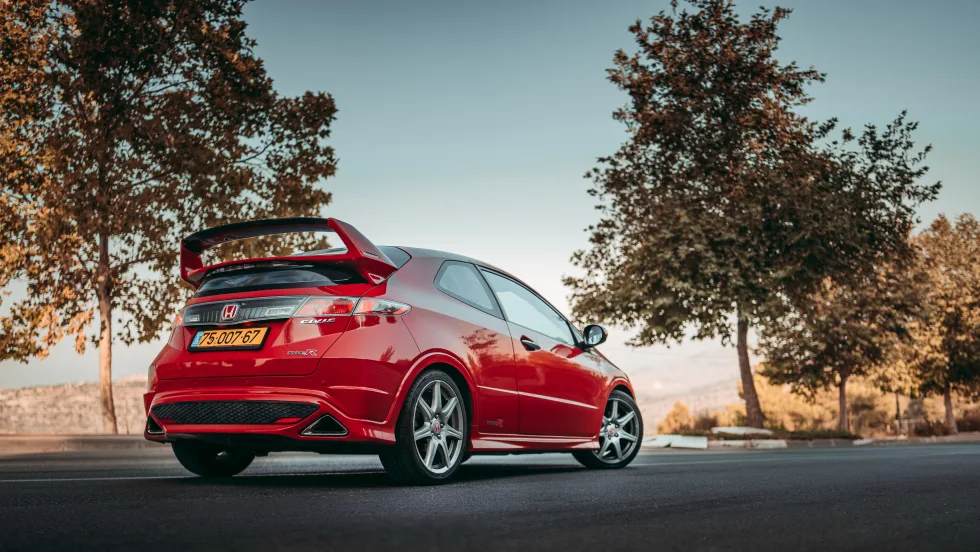
Next-Gen Hybrids in Sight
Dealerships can expect to see revamped hybrids from Honda next year as the company rolls out a new system and model lineup.
Read More →
Gem State Stores Change Hands
A larger auto group founded in the industry’s early years sold two franchises to a neighbor group that's on a growth spurt.
Read More →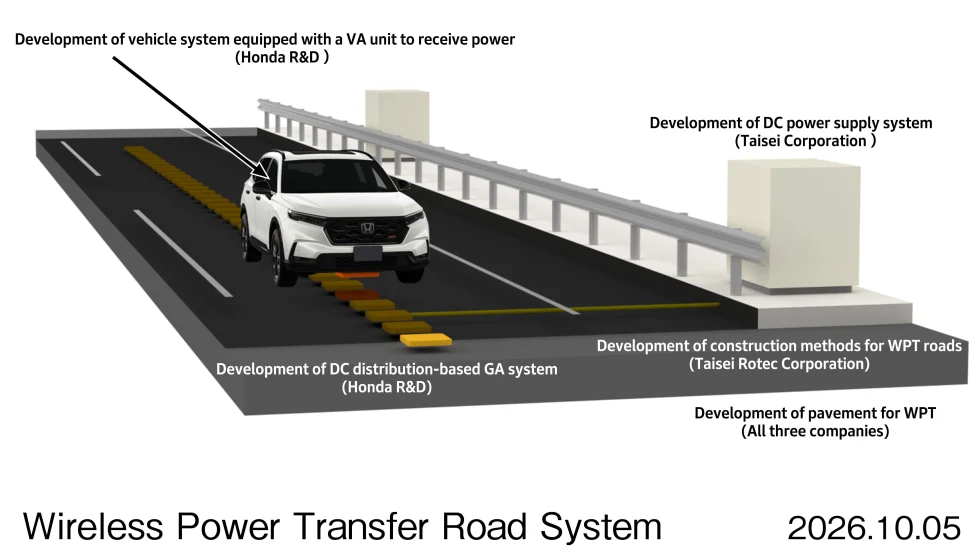
Charging In Motion
Honda has been researching wireless in-motion charging for electric vehicles since 2025, and new technology developments have put it a step closer to a final product.
Read More →
Twin Cities Stores Sell
Minnesota-based Walser Automotive Group made what it called the most significant acquisition in its history with a three-rooftop deal in Minneapolis.
Read More →
U.S. Auto Sales Still Below Prepandemic Levels
Mobility Global industry observers don’t expect the market to return to the higher volumes that became routine before Covid but to stay well below its potential.
Read More →
The Powertrain Shift
Electric-vehicle owners are backpedaling, according to new data, with product availability driving many to shift back to gas-powered engines.
Read More →