


Signet Folds, Dealers on Hold

Dealers, consumers and state regulators want to know the whereabouts of Greg Lehmann and his Signet Financial Group. The Vacaville, Calif.-based F&I product provider, which offered a service-contract refund agreement, closed its doors without notice in late March, leaving consumers with a lot of questions and dealers without answers.
Those answers can’t come soon enough for Marty Barger, general manager for Big Island Honda in Kona, HI, part of the 16-store Fletcher Jones dealer group. Barger said his dealership has originated more than 300 Signet service contracts. The still-active and -enforceable agreements were offered as a complimentary add-on, a policy that was in place before Barger joined the dealership two years ago, reported F&I and Showroom.
“I just want to find out what happened to them and whether they’re going to file for bankruptcy,” said Barger. “We’re kind of in a holding pattern until we find out more.”
But the more time passes, the more Barger believes his dealership is facing a situation similar to one it dealt with four years ago, when the now-defunct Automotive Professionals Inc. went silent before filing for bankruptcy in April 2007. That debacle cost Barger’s dealer group approximately $200,000 in repair work after it decided to honor the API contracts it sold. He’s still waiting to hear from Signet, but customers are already speaking up.
“I just had a woman in my office yelling at me that she wanted her refund,” he told F&I magazine last week. “I told her that we haven’t made a decision on how we’re going to handle it. We just found out three weeks ago.”
Similar stories regarding Signet warranties, which dealers pay between $130 and $140 to sell, have appeared in newspapers from Allentown, Pa. and Kansas City, Mo. to Boise, Idaho. The company’s name appears on a number of complaint boards and has a one-star rating on Yahoo! Local, where 27 consumers have posted stories about delayed payments, claims being denied and unreturned phone calls. In one post, an angry reviewer posted what he said was Lehmann’s home phone number. That number has since been disconnected.
Chris Gonzalez, deputy district attorney for the Solano County (Calif.) District Attorney’s Office, said her office has received calls and written complaints regarding Signet, but could neither confirm nor deny whether her office is investigating the company.
Tony Green, a spokesperson for the Oregon’s attorney general, John Kroger, said his office has received 42 complaints on Signet. He confirmed that his office is investigating the company, but could not offer any additional details.
A spokesman for the California Department of Insurance said no complaints had been filed with the state agency. “They are not on our radar, as far as I know,” said agency spokesman Dave Althausen.
Calls to Signet’s office went unanswered. At one point, a newspaper article claimed the company’s answering service informed callers that the company was closed until further notice. The company Website said it’s under construction and the company’s office in Northern California is no longer open.
According to a report in the Oregonian, a daily newspaper in the state of Oregon, some dealers received an e-mail from Lehmann on April 6. It read: “It is with great regret that I must announce, effective immediately, Signet Financial Group Inc. is ceasing operations due to lack of capital necessary to support continued operations. I will be contacting you each individually by phone to discuss the various options available.”
Big Island Honda’s Barger never received that e-mail, despite the fact that his predecessor had arranged for the dealership to purchase Signet’s GRP product directly from the company.
The Oregonian also reported that Lehmann sent a separate letter to consumers informing them that Signet had worked out a solution with the Colorado-based North American Dealer Co-Op and its sister company, National Administrative Dealer Services, “that will allow dealers to continue to write contracts without interruption.”
A representative with North American was quoted in the Oregonian’s story as saying the company would help dealers continue to offer the program, but that it could do nothing for customers looking for refunds. Calls seeking comment from North American were not returned.
Gary Fagg, who serves as a consulting actuary at Hurst, Texas-based CreditRe, said GPR products are great in theory, but they can be problematic from an actuarial standpoint. Costs can add up, he said, if one considers that most GPR agreements promise to pay the VSC-related losses for consumers with claims and refund the retail VSC price to the consumer if he or she didn’t file a VSC-related claim.
“It takes every ‘gotcha’ you can dream up to keep the loss costs in a manageable range,” Fagg said.
Before the company went dark last month, many of the complaints posted on Web boards centered on Signet’s claims-approval process. But the fervor seemed to pick up once word spread that Signet had ceased operations.
Barger says he takes some comfort in the fact that Signet’s contract makes clear that its agreement with the customer is the sole responsibility of the company and “is not to be construed as an obligation on the part of the dealer.”
“That doesn’t help much when a customer is yelling at you,” Barger said. “But that’s what it says, right on the cover.”
Thomas B. Hudson, the magazine’s legal columnist and a partner with Hudson Cook LLP, said provisions like that might hold up at the end of the day. He warned, however, that they do little to slow down plaintiffs’ attorneys.
“The lawyers will urge the courts that the contracts are contracts of adhesion and that any exculpatory language in the contracts should not be enforced, that the dealers were negligent in offering a program to consumers without doing due diligence on Signet, and any number of other theories,” Hudson said. “Remember that the typical plaintiff lawyer’s attack is to fling everything against the wall in hopes that something will stick. Dealers who have used arbitration agreements with their customers should at least have a fighting chance of avoiding class action suits.”
More Industry
Charger Network Growth Slows
Despite a projected increase in public EV chargers in 2026, charging infrastructure remains a top concern for consumers as the gap between the most and least EV-friendly places remains substantial.
Read More →
Lenders, Consumers Take on More Auto Loan Risk
September records loosened credit access the most in over a decade as buyers took advantage of the conditions to afford trading, though loan applications fell.
Read More →
Next-Gen Hybrids in Sight
Dealerships can expect to see revamped hybrids from Honda next year as the company rolls out a new system and model lineup.
Read More →
Gem State Stores Change Hands
A larger auto group founded in the industry’s early years sold two franchises to a neighbor group that's on a growth spurt.
Read More →
Charging In Motion
Honda has been researching wireless in-motion charging for electric vehicles since 2025, and new technology developments have put it a step closer to a final product.
Read More →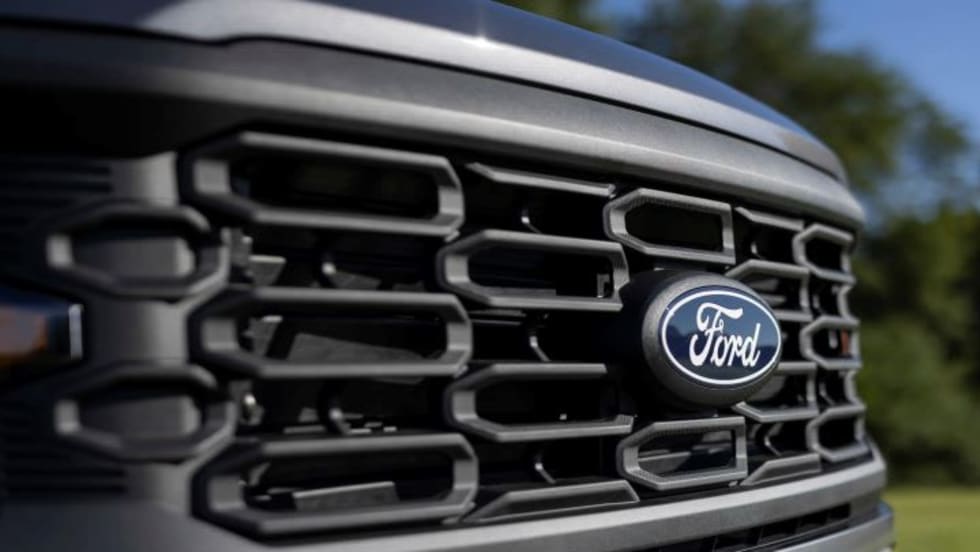
Twin Cities Stores Sell
Minnesota-based Walser Automotive Group made what it called the most significant acquisition in its history with a three-rooftop deal in Minneapolis.
Read More →
U.S. Auto Sales Still Below Prepandemic Levels
Mobility Global industry observers don’t expect the market to return to the higher volumes that became routine before Covid but to stay well below its potential.
Read More →
The Powertrain Shift
Electric-vehicle owners are backpedaling, according to new data, with product availability driving many to shift back to gas-powered engines.
Read More →
Achromatic Autos
The shades that dominate the U.S. car market don’t call attention to themselves, though grayscale may have plateaued after a 30-year upswing, research shows.
Read More →
Used-Vehicle Affordability Worsens
Listing prices in August defied seasonal trends, rising above $27,000 for the second time this year.
Read More →