


Study Shows EV Charging Satisfaction Down
Public views of infrastructure reach new low, despite plans for better.

'The situation is stuck at a level where one of every five visits ends without charging, the majority of which are due to station outages.'
IMAGE: Pexels/Daniel Andraski
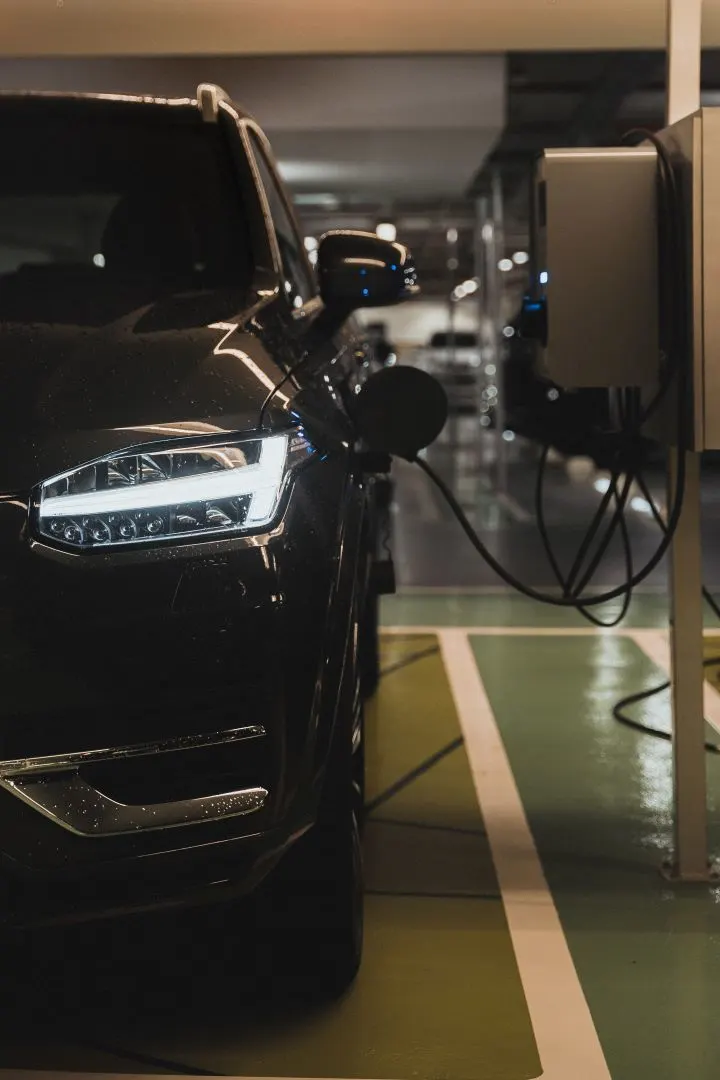
Public satisfaction with electric-vehicle charging infrastructure continues to decline, despite recent plans for non-Tesla brands to tap its network and for some of them to install their own chargers, a new report shows.
The findings of J.D. Power’s latest U.S. Electric Vehicle Experience Public Charging Study cast doubt on increased EV adoption, as it points out charging concerns are among consumers’ biggest reasons for sticking with gas-powered models.
Even Ford CEO Jim Farley recently lamented the state of U.S EV charging availability, posting a video about his travails keeping a Ford F-150 Lightning pickup charged on a drive across Route 66.
"It was a really good reality check of the challenges our customers go through and the importance of fast charging,” Farley said in the video.
J.D. Power’s study found that satisfaction with what it terms “level two” charging availability fell 16 points year-over-year to 617 on a 1,000-point scale, the lowest showing since it first conducted the study in 2021. Satisfaction with direct-current fast chargers fell yet more, by 20 points to 654.
J.D. Power said survey respondents’ satisfaction fell in almost all facets it measures across the two types of charging.
Executive Director of J.D. Power’s EV practice Brent Gruber said respondents were least satisfied with the cost and speed of public chargers and the lack of things to do while waiting for charges. It said charger reliability is also a concern.
“The situation is stuck at a level where one of every five visits ends without charging,” he said, “the majority of which are due to station outages."
The study found that Tesla owners are overall satisfied with its network, which it agreed early this year to open to non-Telsa owners. Multiple other automakers have said they plan to switch their EV models to Tesla’s port design. In July, though, seven brands announced a new coalition that plans to build its own network of at lest 30,000 chargers.
Other companies are getting into the EV charging segment or expanding their networks, including Shell USA, Walmart and an Italian utility company. The Biden administration has encouraged the buildout of charging infrastructure as it seeks to reduce fossil-fuel emissions.
Such sentiment doesn’t bode well for a segment that’s been growing but looks to plateau, according to a Business Insider analysis, citing multiple analysts who say recent growth isn’t sustainable as the segment moves beyond early adopters.
Originally posted on Auto Dealer Today
More Industry

Charger Network Growth Slows
Despite a projected increase in public EV chargers in 2026, charging infrastructure remains a top concern for consumers as the gap between the most and least EV-friendly places remains substantial.
Read More →
Lenders, Consumers Take on More Auto Loan Risk
September records loosened credit access the most in over a decade as buyers took advantage of the conditions to afford trading, though loan applications fell.
Read More →
Next-Gen Hybrids in Sight
Dealerships can expect to see revamped hybrids from Honda next year as the company rolls out a new system and model lineup.
Read More →
Gem State Stores Change Hands
A larger auto group founded in the industry’s early years sold two franchises to a neighbor group that's on a growth spurt.
Read More →
Charging In Motion
Honda has been researching wireless in-motion charging for electric vehicles since 2025, and new technology developments have put it a step closer to a final product.
Read More →
Twin Cities Stores Sell
Minnesota-based Walser Automotive Group made what it called the most significant acquisition in its history with a three-rooftop deal in Minneapolis.
Read More →
U.S. Auto Sales Still Below Prepandemic Levels
Mobility Global industry observers don’t expect the market to return to the higher volumes that became routine before Covid but to stay well below its potential.
Read More →
The Powertrain Shift
Electric-vehicle owners are backpedaling, according to new data, with product availability driving many to shift back to gas-powered engines.
Read More →
Achromatic Autos
The shades that dominate the U.S. car market don’t call attention to themselves, though grayscale may have plateaued after a 30-year upswing, research shows.
Read More →
Used-Vehicle Affordability Worsens
Listing prices in August defied seasonal trends, rising above $27,000 for the second time this year.
Read More →