


Supply Chain Challenges Slow EV Adoption in Government Agencies
Federal agencies would have purchased more EVs had it not been for supply chain hurdles, the White House reported.

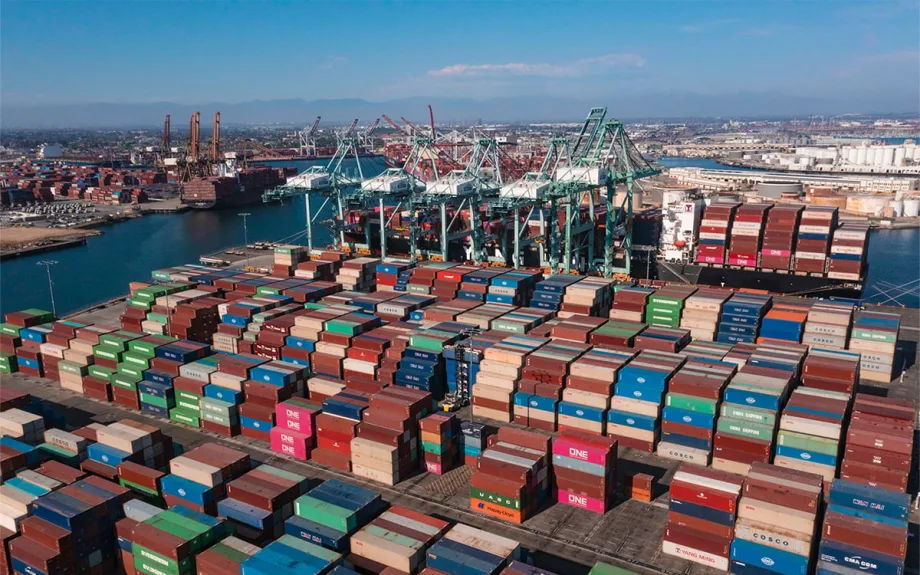
Federal agencies would have purchased more EVs had it not been for supply chain hurdles, the White House reported.
IMAGE: Getty Images
Federal agencies have boosted their purchases of electric and plug-in hybrid vehicles but would have purchased more had it not been for supply chain hurdles, the White House reported.
Federal agencies quintupled their purchases of EVs and PHEVs since September 2021. EVs represented 12% of light-duty purchases in 2022, or 3,567 vehicles, compared to 1% of vehicle acquisitions in 2021.
"But for the supply chain issues that impacted the auto industry’s ability to fulfill all the Federal Government’s (zero emission vehicles) orders in FY2022, ZEVs would have achieved approximately 20% of acquisitions in 2022," the White House said.
The Government Accountability Office (GAO) reported federal agencies purchased 257 electric vehicles in the 2021 budget year but have fewer EV charging ports than they need.
In December 2021, Biden issued an executive order directing the federal government to end purchases of gas-powered vehicles by 2035 and that 100% of light-duty federal acquisitions be EV or PHEV purchases by 2027.
The GAO reported of 33,000 light-duty vehicles acquired in the 2021 budget year, agencies bought 138 EVs and 119 plug-in hybrids.
Charging ports remain an issue. As of March, federal agencies owned and operated over 4,000 charging ports in around 1,050 charging locations in less than 500 cities, GAO said.
But the General Services Administration (GSA) estimates the federal government will need over 100,000 charging ports because agencies need at least one charging port for every two electric vehicles acquired, the report said.
As of 2020, the federal government operated 610,000 vehicles that traveled over 4 billion miles and consumed over 360 million gallons of fuel.
The government also owns 102,000 law enforcement vehicles which are covered by Biden's order unless exempted by an agency head. GAO said they "may have additional performance requirements that may not be met by currently available zero-emission vehicle models."
The Homeland Security Department became the first federal agencies to debut an EV for law enforcement use. The vehicle is a Ford Mustang Mach-E.
The U.S. Postal Service is exempt from Biden's order. The USPS operates 200,000 vehicles.
Originally posted on Auto Dealer Today
More Industry

Charger Network Growth Slows
Despite a projected increase in public EV chargers in 2026, charging infrastructure remains a top concern for consumers as the gap between the most and least EV-friendly places remains substantial.
Read More →
Lenders, Consumers Take on More Auto Loan Risk
September records loosened credit access the most in over a decade as buyers took advantage of the conditions to afford trading, though loan applications fell.
Read More →
Next-Gen Hybrids in Sight
Dealerships can expect to see revamped hybrids from Honda next year as the company rolls out a new system and model lineup.
Read More →
Gem State Stores Change Hands
A larger auto group founded in the industry’s early years sold two franchises to a neighbor group that's on a growth spurt.
Read More →
Charging In Motion
Honda has been researching wireless in-motion charging for electric vehicles since 2025, and new technology developments have put it a step closer to a final product.
Read More →
Twin Cities Stores Sell
Minnesota-based Walser Automotive Group made what it called the most significant acquisition in its history with a three-rooftop deal in Minneapolis.
Read More →
U.S. Auto Sales Still Below Prepandemic Levels
Mobility Global industry observers don’t expect the market to return to the higher volumes that became routine before Covid but to stay well below its potential.
Read More →
The Powertrain Shift
Electric-vehicle owners are backpedaling, according to new data, with product availability driving many to shift back to gas-powered engines.
Read More →
Achromatic Autos
The shades that dominate the U.S. car market don’t call attention to themselves, though grayscale may have plateaued after a 30-year upswing, research shows.
Read More →
Used-Vehicle Affordability Worsens
Listing prices in August defied seasonal trends, rising above $27,000 for the second time this year.
Read More →