


Supply Chain Disruptions Affected Volkswagen Cash Flow in 2022
Volkswagen AG reported its cash flow fell short of expectations as supply chain snags led to higher unsold inventory at year’s end.

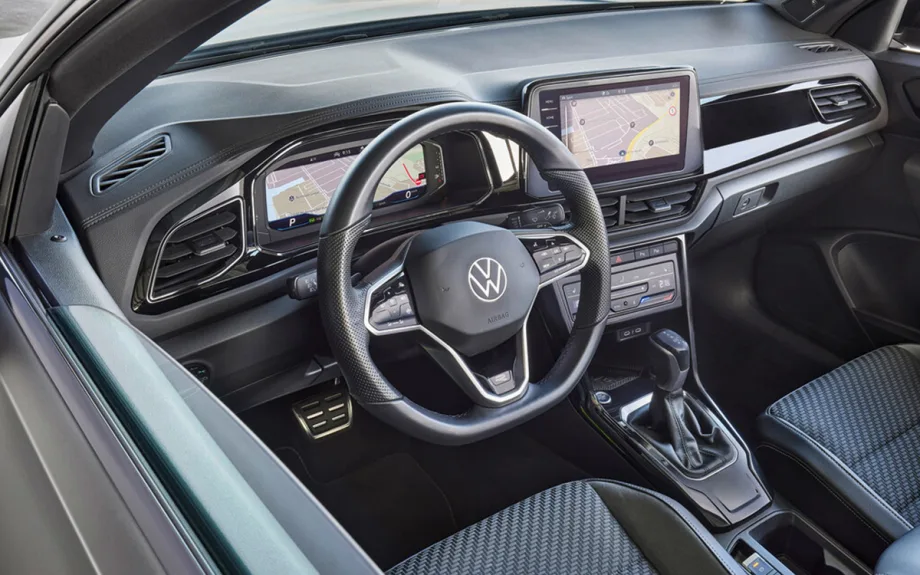
Volkswagen AG reported its cash flow fell short of expectations as supply chain snags led to higher unsold inventory at year’s end.
IMAGE: Volkswagen
Volkswagen AG reported its sales and operating earnings were in line with forecasts but noted its cash flow fell short of expectations as supply chain snags led to higher unsold inventory at year’s end.
Like other automakers, Volkswagen has struggled with continued supply chain disruptions because of the War in Ukraine and COVID-Zero policies in China. These snags limited production as automaker’s waited for parts.
Volkswagen reported in a regulatory statement that the continuing disruptions to supply chains left the company with excess inventories of finished goods, raw materials and supplies at year’s end.
Preliminary earnings estimates put revenue at 279 billion euros, equivalent to about $299 billion, up approximately 12% from a year ago. Operating profit before special items hit 22.5 billion euros, which Volkswagen reports is a return on sales of 8.1%, well within the range previously targeted by the company.
The automaker put net cash flow at 5 billion euros in 2022, falling short of the company’s self-imposed target of matching the 8.6 billion euros in cash flow achieved in the previous year.
“The deviation is mainly because of the unstable supply situation throughout 2022 and disruptions in the logistics chains, particularly at the end of the year,” Volkswagen reported in a statement. The automaker noted that it expects the headwinds affecting cash flow to ease in the year ahead.
Volkswagen reported the net liquidity of its automotive division was around 43 billion euros at the end of 2022. This figure included about 16 billion euros in cash generated from the listing of its sports car maker, Porsche AG, in September 2022.
Volkswagen reported its global new vehicle sales fell 7% last year to 8.3 million.
The automaker is rolling out new electric vehicle models across its brands that include VW, Audi, Porsche, Seat, Skoda, and Bentley. Still, the automaker trails key rivals both in total EV sales and in EV sales growth, according to ev-volumes.
Originally posted on Auto Dealer Today
More Industry
Charger Network Growth Slows
Despite a projected increase in public EV chargers in 2026, charging infrastructure remains a top concern for consumers as the gap between the most and least EV-friendly places remains substantial.
Read More →
Lenders, Consumers Take on More Auto Loan Risk
September records loosened credit access the most in over a decade as buyers took advantage of the conditions to afford trading, though loan applications fell.
Read More →
Next-Gen Hybrids in Sight
Dealerships can expect to see revamped hybrids from Honda next year as the company rolls out a new system and model lineup.
Read More →
Gem State Stores Change Hands
A larger auto group founded in the industry’s early years sold two franchises to a neighbor group that's on a growth spurt.
Read More →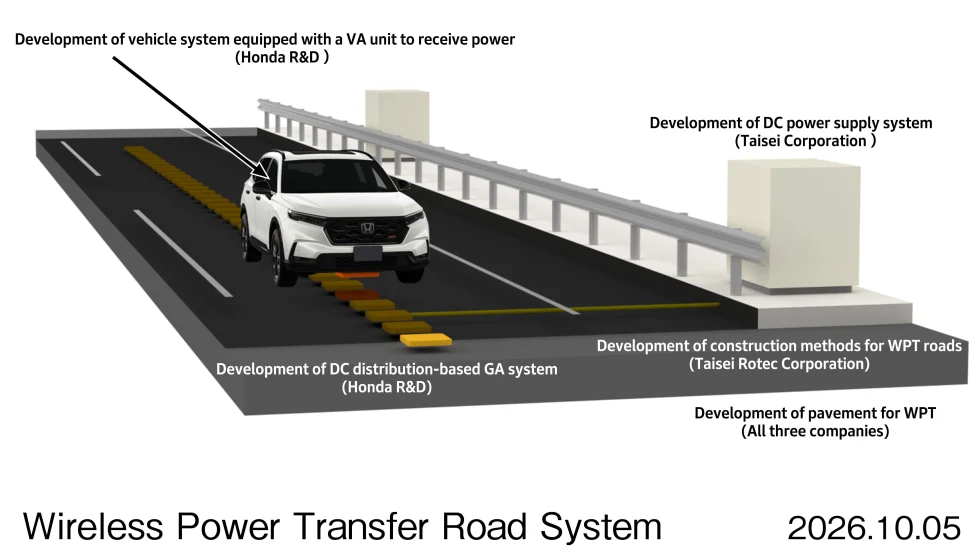
Charging In Motion
Honda has been researching wireless in-motion charging for electric vehicles since 2025, and new technology developments have put it a step closer to a final product.
Read More →
Twin Cities Stores Sell
Minnesota-based Walser Automotive Group made what it called the most significant acquisition in its history with a three-rooftop deal in Minneapolis.
Read More →
U.S. Auto Sales Still Below Prepandemic Levels
Mobility Global industry observers don’t expect the market to return to the higher volumes that became routine before Covid but to stay well below its potential.
Read More →
The Powertrain Shift
Electric-vehicle owners are backpedaling, according to new data, with product availability driving many to shift back to gas-powered engines.
Read More →
Achromatic Autos
The shades that dominate the U.S. car market don’t call attention to themselves, though grayscale may have plateaued after a 30-year upswing, research shows.
Read More →
Used-Vehicle Affordability Worsens
Listing prices in August defied seasonal trends, rising above $27,000 for the second time this year.
Read More →