


Tesla Mulls Exporting China-made EVs to the U.S.
Tesla is evaluating whether Model 3 and Model Y EVs made in Gigafactory Shanghai could be sold in North America starting in 2023, sources say.

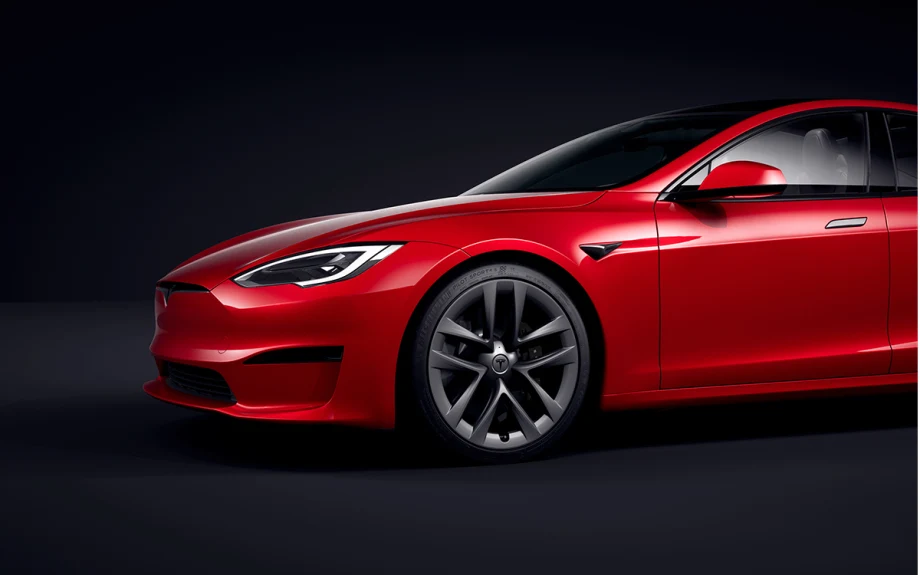
Tesla is evaluating whether Model 3 and Model Y EVs made in Gigafactory Shanghai could be sold in North America starting in 2023, sources say.
IMAGE: Tesla
Tesla is considering plans to export made-in-China electric vehicles (EVs) to the United States and Canada, connecting the automaker’s largest factory to North America, it’s largest market, according to a new article by Reuters.
According to sources close to the matter, Tesla is evaluating whether Model 3 and Model Y electric vehicles made in Gigafactory Shanghai could be sold in North America starting in 2023. The evaluation includes determining whether parts made by China-based suppliers would comply with U.S. and Canada regulations, they said.
The Shanghai plant, they say, is working on a plan for a small-batch, test run of vehicles that comply with North American standards for the first quarter of 2023, one source told Reuters.
Tesla Chief Executive Elon Musk followed the Reuters article with a Tweet that said, "False" without elaborating. Reuters reported Tesla representatives did not confirm the plans or clarify Musk’s Tweet
The review of potential exports to North America from Shanghai began during the past two weeks, according to Reuters anonymous sources and a memo detailing steps taken at the Shanghai plant to test its readiness by early 2023.
Tesla's strategy so far has been to build all vehicles sold in North America at its plants in Fremont, California, and Austin, Texas.
The automaker’s Shanghai Gigafactory has the capacity to produce 1.1 million electric vehicles per year, making it Tesla's most productive manufacturing hub. The China-based plant makes Model 3 sedans and Model Y crossovers to sell in China and for export to Europe, Australia and Southeast Asia.
A cheaper yuan against the U.S. dollar, lower raw material prices in China and the rise in Tesla and new-car prices in the United States make exports from China to the United States cost competitive, the anonymous sources said.
However, the new tax incentives for electric vehicles are based on a production incentive plan that gives preference to vehicles made in the United States. An imported vehicle may not have access to the tax rebates of up to $7,500.
Tesla noted in a filing with the Ontario government in July that it is working with officials to set up an advanced manufacturing facility in Canada. Tesla also is ramping up production at its Berlin plant, which will reduce the need for some exports from China.
The price gap between Tesla cars sold in China and the United States has widened, reflecting both higher U.S. prices and new discounts in China. All this adds up to the fact that Tesla vehicles could potentially be exported to North America at a competitive price.
Tesla sells its Model Y for the equivalent of $49,344 in China, compared to the U.S. price of $65,990. China-made cars face a 27.5% U.S. tariff, while light-duty trucks face a 25% tariff, Reuters reported. China, however, imposes a 15% tariff on imported vehicles.
Originally posted on Auto Dealer Today
More Industry
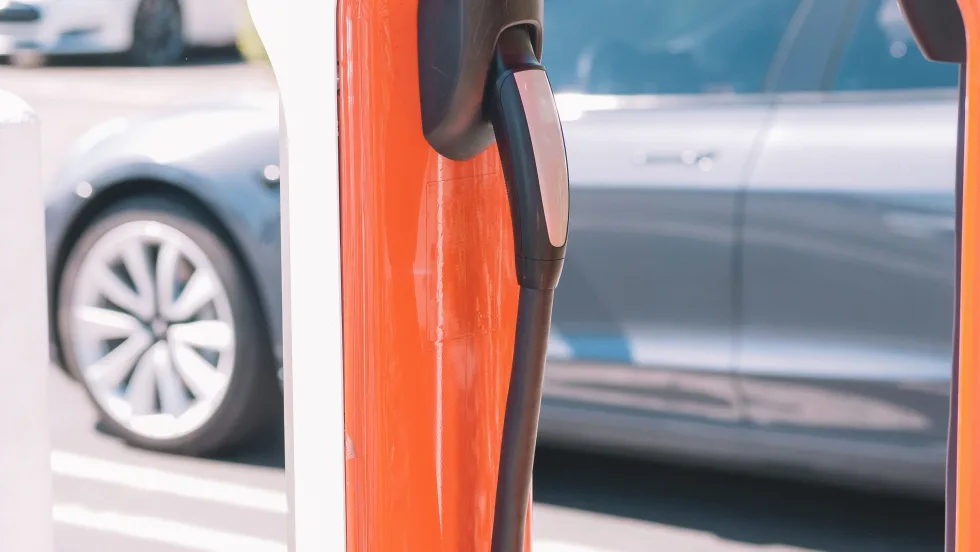
Charger Network Growth Slows
Despite a projected increase in public EV chargers in 2026, charging infrastructure remains a top concern for consumers as the gap between the most and least EV-friendly places remains substantial.
Read More →
Lenders, Consumers Take on More Auto Loan Risk
September records loosened credit access the most in over a decade as buyers took advantage of the conditions to afford trading, though loan applications fell.
Read More →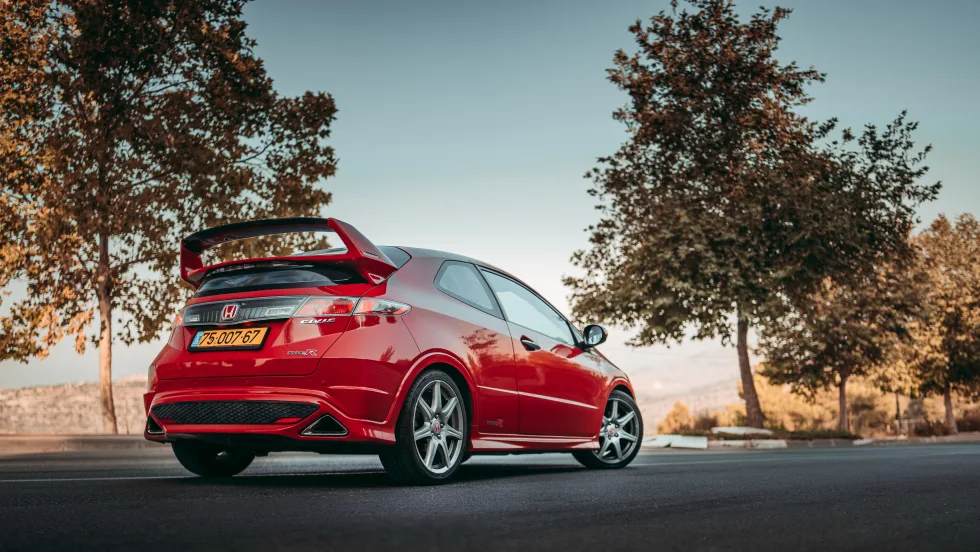
Next-Gen Hybrids in Sight
Dealerships can expect to see revamped hybrids from Honda next year as the company rolls out a new system and model lineup.
Read More →
Gem State Stores Change Hands
A larger auto group founded in the industry’s early years sold two franchises to a neighbor group that's on a growth spurt.
Read More →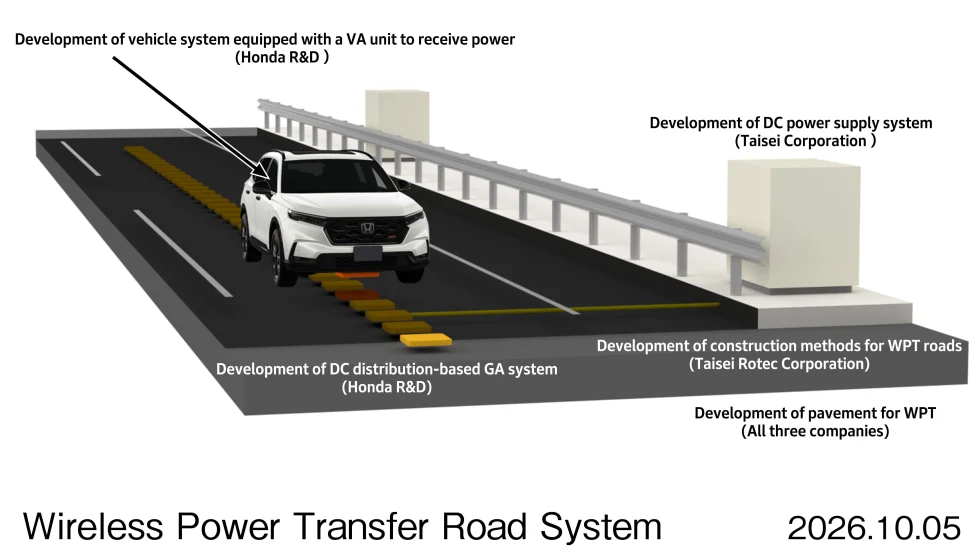
Charging In Motion
Honda has been researching wireless in-motion charging for electric vehicles since 2025, and new technology developments have put it a step closer to a final product.
Read More →
Twin Cities Stores Sell
Minnesota-based Walser Automotive Group made what it called the most significant acquisition in its history with a three-rooftop deal in Minneapolis.
Read More →
U.S. Auto Sales Still Below Prepandemic Levels
Mobility Global industry observers don’t expect the market to return to the higher volumes that became routine before Covid but to stay well below its potential.
Read More →
The Powertrain Shift
Electric-vehicle owners are backpedaling, according to new data, with product availability driving many to shift back to gas-powered engines.
Read More →
Achromatic Autos
The shades that dominate the U.S. car market don’t call attention to themselves, though grayscale may have plateaued after a 30-year upswing, research shows.
Read More →
Used-Vehicle Affordability Worsens
Listing prices in August defied seasonal trends, rising above $27,000 for the second time this year.
Read More →