


Thefts of Hyundai and Kia Vehicles Soar
IIHS found U.S. theft claims were nearly twice as common for Hyundai Motor and Kia Corp. than other manufacturers vehicles for the 2015 through 2019 model years.

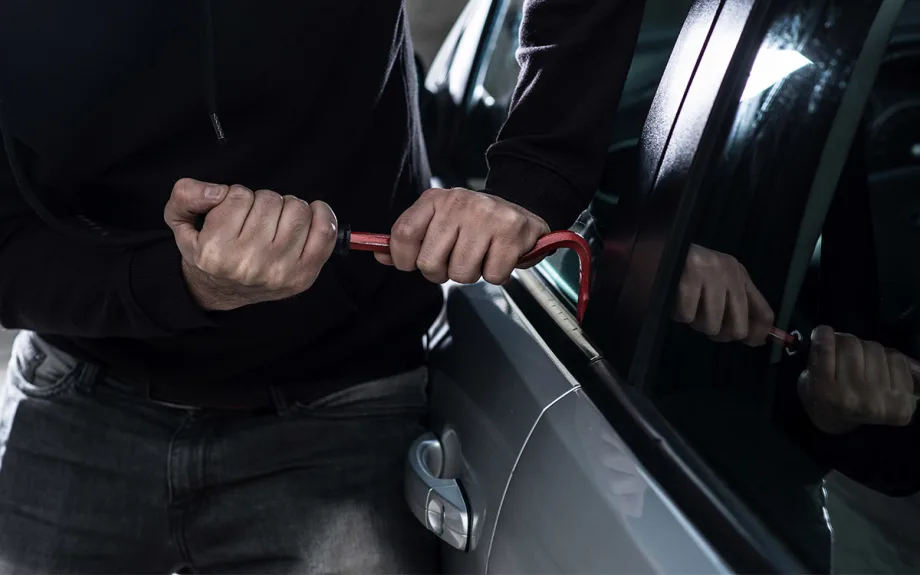
IIHS found U.S. theft claims were nearly twice as common for Hyundai Motor and Kia Corp. than other manufacturers vehicles for the 2015 through 2019 model years.
IMAGE: Getty Images/djedzura
Thefts of Hyundai and Kia vehicles compared to other manufacturers are soaring, finds the Insurance Institute for Highway Safety's (IIHS) Highway Loss Data Institute.
IIHS found U.S. theft claims were nearly twice as common for Hyundai Motor and Kia Corp. than other manufacturers vehicles for the 2015 through 2019 model years.
Many 2015-19 model year Hyundai and Kia vehicles lack electronic immobilizers that prevent people from breaking in and bypassing the ignition. This feature is standard equipment on most other vehicles manufactured during that timeframe, IIHS said.
The insurance group said immobilizers were standard on 62% of models from other manufacturers in model year 2000, rising to 96% by 2015. But the technology was standard on just 26% of 2015 model year Hyundai and Kia vehicles, it said.
Hyundai and Kia report their vehicles meet U.S. motor vehicle standards but noted they are being targeted in a "coordinated effort" by social media users. Hyundai added engine immobilizers to all vehicles produced after Nov. 1, 2021, while Kia added this technology in the 2022 model year.
Hyundai will begin offering a security kit for purchase at its dealerships as of October 1. The kit targets the method of entry thieves are using to access these vehicles.
"Criminals are seeking vehicles solely equipped with a steel key and 'turn-to-start' ignition system. The majority of Kia vehicles in the United States are equipped with a key fob and 'push-button-to-start' system, making them more difficult to steal," Kia said.
The group said that after social media attention in Wisconsin in 2021, overall losses from Hyundai and Kia thefts soared to more than 30 times the 2019 level.
Originally posted on Auto Dealer Today
More Industry

Charger Network Growth Slows
Despite a projected increase in public EV chargers in 2026, charging infrastructure remains a top concern for consumers as the gap between the most and least EV-friendly places remains substantial.
Read More →
Lenders, Consumers Take on More Auto Loan Risk
September records loosened credit access the most in over a decade as buyers took advantage of the conditions to afford trading, though loan applications fell.
Read More →
Next-Gen Hybrids in Sight
Dealerships can expect to see revamped hybrids from Honda next year as the company rolls out a new system and model lineup.
Read More →
Gem State Stores Change Hands
A larger auto group founded in the industry’s early years sold two franchises to a neighbor group that's on a growth spurt.
Read More →
Charging In Motion
Honda has been researching wireless in-motion charging for electric vehicles since 2025, and new technology developments have put it a step closer to a final product.
Read More →
Twin Cities Stores Sell
Minnesota-based Walser Automotive Group made what it called the most significant acquisition in its history with a three-rooftop deal in Minneapolis.
Read More →
U.S. Auto Sales Still Below Prepandemic Levels
Mobility Global industry observers don’t expect the market to return to the higher volumes that became routine before Covid but to stay well below its potential.
Read More →
The Powertrain Shift
Electric-vehicle owners are backpedaling, according to new data, with product availability driving many to shift back to gas-powered engines.
Read More →
Achromatic Autos
The shades that dominate the U.S. car market don’t call attention to themselves, though grayscale may have plateaued after a 30-year upswing, research shows.
Read More →
Used-Vehicle Affordability Worsens
Listing prices in August defied seasonal trends, rising above $27,000 for the second time this year.
Read More →