


Toyota Secretive on 'Black Box' Data

Toyota has for years blocked access to data stored in devices similar to airline "black boxes" that could explain crashes blamed on sudden unintended acceleration, according to an Associated Press review of lawsuits nationwide and interviews with auto crash experts.
The AP investigation found that Toyota has been inconsistent — and sometimes even contradictory — in revealing exactly what the devices record and don't record, including critical data about whether the brake or accelerator pedals were depressed at the time of a crash.
By contrast, most other automakers routinely allow much more open access to information from their event data recorders, commonly known as EDRs.
AP also found that Toyota:
Has frequently refused to provide key information sought by crash victims and survivors.
Uses proprietary software in its EDRs. Until this week, there was only a single laptop in the U.S. containing the software needed to read the data following a crash.
In some lawsuits, when pressed to provide recorder information Toyota either settled or provided printouts with the key columns blank.
Toyota's "black box" information is emerging as a critical legal issue amid the recall of 8 million vehicles by the world's largest automaker. The National Highway Transportation Safety Administration said this week that 52 people have died in crashes linked to accelerator problems, triggering an avalanche of lawsuits.
When Toyota was asked by the AP to explain what exactly its recorders do collect, a company statement said Thursday that the devices record data from five seconds before until two seconds after an air bag is deployed in a crash.
The statement said information is captured about vehicle speed, the accelerator's angle, gear shift position, whether the seat belt was used and the angle of the driver's seat.
There was no initial mention of brakes — a key point in the sudden acceleration problem. When AP went back to Toyota to ask specifically about brake information, Toyota responded that its EDRs do, in fact, record "data on the brake's position and the antilock brake system."
But that does not square with information obtained by attorneys in a deadly crash last year in Southlake, Texas, and in a 2004 accident in Indiana that killed an elderly woman.
In the Texas crash, where four people died when their 2008 Avalon ripped through a fence, hit a tree and flipped into an icy pond, an EDR readout obtained by police listed as "off" any information on acceleration or braking.
In the 2004 crash in Evansville, Ind., that killed 77-year-old Juanita Grossman, attorneys for her family say a Toyota technician traveled from the company's U.S. headquarters in Torrance, Calif., to examine her 2003 Camry.
Before she died, the 5-foot-2, 125-pound woman told relatives she was practically standing with both feet on the brake pedal but could not stop the car from slamming into a building. Records confirm that emergency personnel found Grossman with both feet on the brake pedal.
A Toyota representative told the family's attorneys there was "no sensor that would have preserved information regarding the accelerator and brake positions at the time of impact," according to a summary of the case provided by Safety Research & Strategies Inc., a Rehoboth, Mass.-based company that does vehicle safety research for attorneys, engineers, government and others.
"Because the EDR system is an experimental device and is neither intended, nor reliable, for accident reconstruction, Toyota's policy is to download data only at the direction of law enforcement, NHTSA or a court order," the Toyota statement said.
Last week, Toyota acknowledged it has only a single laptop available in the U.S. to download its data recorder information because it is still a prototype, despite being in use since 2001 in Toyota vehicles. Three other laptops capable of reading the devices were delivered this week to NHTSA for training on their use, Toyota said, and 150 more will be brought to the U.S. for commercial use by the end of April.
By contrast, acceptance and distribution of data recorder technology by other automakers is commonplace.
The AP review of lawsuits around the country found many in which Toyota was accused of refusing to reveal EDR and other data, and not just in sudden acceleration cases.
Some crash experts say Toyota shouldn't bear too much criticism for failing to capture large amounts or specific kinds of data, because EDR systems were initially built for air bag deployment and not necessarily to reconstruct wrecks.
More Industry
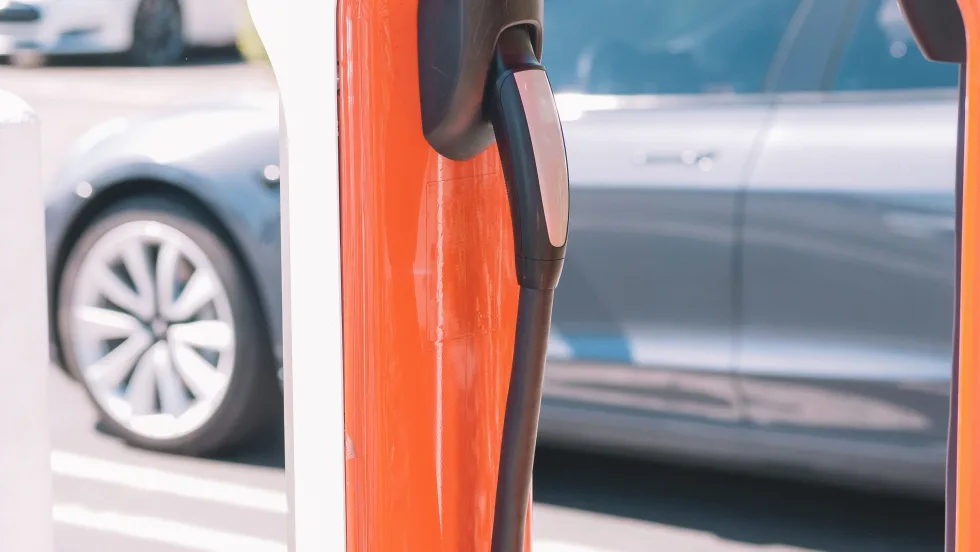
Charger Network Growth Slows
Despite a projected increase in public EV chargers in 2026, charging infrastructure remains a top concern for consumers as the gap between the most and least EV-friendly places remains substantial.
Read More →
Lenders, Consumers Take on More Auto Loan Risk
September records loosened credit access the most in over a decade as buyers took advantage of the conditions to afford trading, though loan applications fell.
Read More →
Next-Gen Hybrids in Sight
Dealerships can expect to see revamped hybrids from Honda next year as the company rolls out a new system and model lineup.
Read More →
Gem State Stores Change Hands
A larger auto group founded in the industry’s early years sold two franchises to a neighbor group that's on a growth spurt.
Read More →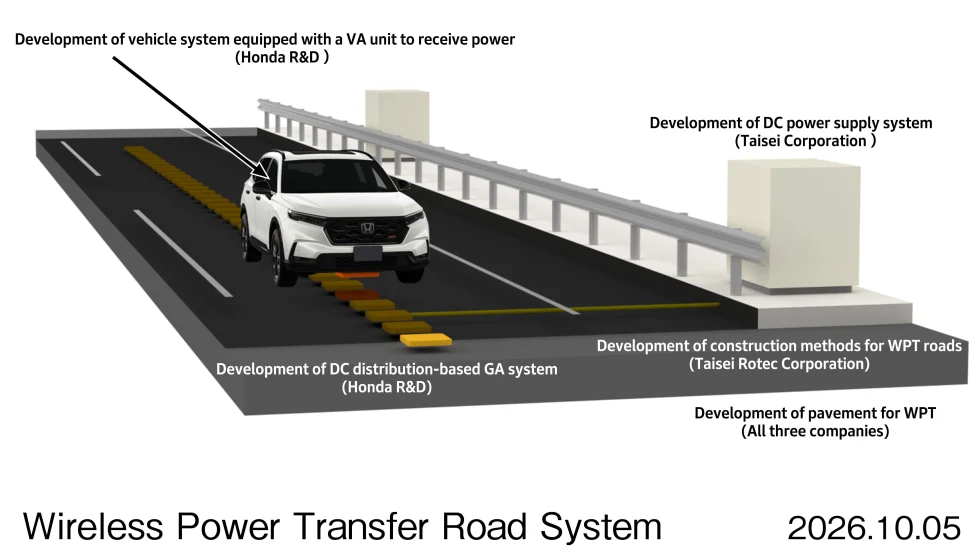
Charging In Motion
Honda has been researching wireless in-motion charging for electric vehicles since 2025, and new technology developments have put it a step closer to a final product.
Read More →
Twin Cities Stores Sell
Minnesota-based Walser Automotive Group made what it called the most significant acquisition in its history with a three-rooftop deal in Minneapolis.
Read More →
U.S. Auto Sales Still Below Prepandemic Levels
Mobility Global industry observers don’t expect the market to return to the higher volumes that became routine before Covid but to stay well below its potential.
Read More →
The Powertrain Shift
Electric-vehicle owners are backpedaling, according to new data, with product availability driving many to shift back to gas-powered engines.
Read More →
Achromatic Autos
The shades that dominate the U.S. car market don’t call attention to themselves, though grayscale may have plateaued after a 30-year upswing, research shows.
Read More →
Used-Vehicle Affordability Worsens
Listing prices in August defied seasonal trends, rising above $27,000 for the second time this year.
Read More →