


US Auto Sales Accelerate in First Half of Year
Supply has picked up, as have sales in nearly every vehicle segment.

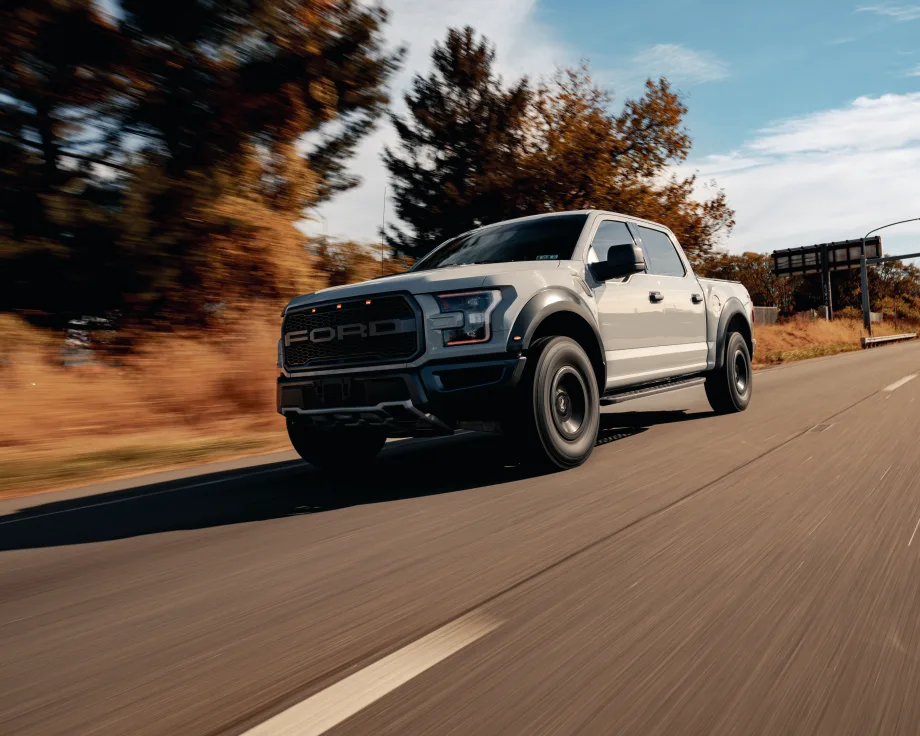
The Ford F-Series saw a 28% increase in sales in the first half of 2023.
Matt Weissinger, Pexels
The first half of 2023 tells a very different story than the first half of 2022. Supply is picking up, as has sales volume has in nearly every vehicle segment.
Top sales trends for the first half of the year include:
General Motors outselling Toyota for a second consecutive year
Ford on pace to be the top brand for the first time in three years
Hyundai-Kia leapfrogging Stellantis to become the No. 4 automaker
Tesla (based on estimates, since the company doesn’t report U.S. results) climbing to the No. 8 spot
Truck Sales
Ford and GM continued their tight race for No. 1 in pickup sales. Ford was No. 1 in the second quarter, while GM maintains a slight lead year to date. The top three models by sales volume were as follows:
The Ford F-Series bested the competition with a 28% increase in sales, to hit 382,893 vehicles.
Chevrolet Silverado sales totaled 264,070, up 1.8% to capture the second spot.
Ram pickups came in third with 223,049 vehicles sold, a 9% decrease.
SUV Sales
In the SUV space, GM’s highly profitable large SUVs outsold the competition by Stellantis and Ford combined. Here, GM, Stellantis and Ford were in the top three.
GM sold 149,883 large SUVs, up 20%.
Stellantis sold 56,012 large SUVs, up 25%.
Ford sold 48,224 large SUVs, up 67%.
EV Sales
Tesla again dominated EV sales, capturing three of the top four spots:
Tesla Model Y, up 76%, with 190,500 vehicles sold
Tesla Model 3 came in second with 121,500 vehicles sold, an increase of 35%.
Chevrolet Bolt took the third spot, selling 33,659 vehicles, a 361% increase over the previous year.
Tesla Model S took fourth with 19,100 vehicles sold, a decline of 5.9%.
Where U.S. auto sales shake out by year's end remains anyone's guess. An uncertain sales environment rife with high prices, high interest rates, and a chaotic economy could lead to unexpected sales shifts.
Originally posted on Auto Dealer Today
More Industry
Badger State Dealership Gets New Owner
The longtime southern Wisconsin store moved from one area auto group to another, keeping the business in Dairyland.
Read More →
The Cycle of Negative Equity
Third-quarter data shows consumers still rolling over debt and stretching loan terms, raising their risk of remaining underwater.
Read More →
Charger Network Growth Slows
Despite a projected increase in public EV chargers in 2026, charging infrastructure remains a top concern for consumers as the gap between the most and least EV-friendly places remains substantial.
Read More →
Lenders, Consumers Take on More Auto Loan Risk
September records loosened credit access the most in over a decade as buyers took advantage of the conditions to afford trading, though loan applications fell.
Read More →
Next-Gen Hybrids in Sight
Dealerships can expect to see revamped hybrids from Honda next year as the company rolls out a new system and model lineup.
Read More →
Gem State Stores Change Hands
A larger auto group founded in the industry’s early years sold two franchises to a neighbor group that's on a growth spurt.
Read More →
Charging In Motion
Honda has been researching wireless in-motion charging for electric vehicles since 2025, and new technology developments have put it a step closer to a final product.
Read More →
Twin Cities Stores Sell
Minnesota-based Walser Automotive Group made what it called the most significant acquisition in its history with a three-rooftop deal in Minneapolis.
Read More →
U.S. Auto Sales Still Below Prepandemic Levels
Mobility Global industry observers don’t expect the market to return to the higher volumes that became routine before Covid but to stay well below its potential.
Read More →
The Powertrain Shift
Electric-vehicle owners are backpedaling, according to new data, with product availability driving many to shift back to gas-powered engines.
Read More →