


U.S. Frets Over Foreign Investors in GM

The U.S. Treasury is concerned about how many overseas investors it should allow to buy big stakes in General Motors Co. through the carmaker's initial public offering this fall, people familiar with the matter told The Wall Street Journal.
The caution—aimed at minimizing any political fallout from the massive stock sale—could involve limiting or being selective about which non-U.S. investors such as sovereign-wealth funds would be invited to be "cornerstone" investors in the IPO, said these people.
Cornerstone investors typically are recruited to commit to buying and holding a large stake at a set share price as a show of confidence intended to draw in other investors. In exchange, they sometimes get a better price on the stock.
Sovereign-wealth funds and other overseas investors hold big stakes in many major U.S. companies. But the issue is touchy for GM, since U.S. taxpayers poured $50 billion into the car maker last year to fund its bankruptcy reorganization. The Treasury would begin to sell its shares through the IPO.
A decision on to what extent such overseas groups will be allowed as cornerstone investors in the IPO is expected within the next couple of weeks, these people said.
A larger group of cornerstone investors could clear the way for the Treasury to offload a bigger piece of its 61% stake in GM through the stock sale, which is planned for mid-November. GM and the banks underwriting the deal are pushing for the biggest possible investor pool to increase the size of the stock offering, which will likely involve stakes in the car maker sold by the Treasury, a union-managed retiree trust fund and Canadian governments.
The company would like to eliminate the U.S. stake as soon as possible since it has dissuaded some potential customers from buying its vehicles. But the Treasury wants to hold out for the best possible price for its stake in an effort to make the government whole on its investment or even make a profit. That might involve the U.S. selling less of its stake this fall and more over time.
To have cornerstone investors in place in time for the IPO, GM would need to have a plan in place in the next couple weeks, said the people familiar with the matter.
The automaker plans to launch a "road show," in which it would pitch the IPO to investors, immediately after the Nov. 2 midterm elections, with a goal of holding the offering before the end of November, people familiar with the plans said.
That time frame would give GM a chance to include its third-quarter performance as part of its pitch. The company, which made $1.3 billion in the second quarter, its largest quarterly profit in six years, has said it expects to continue to make money in the year's second half, though the profits will be slimmer.
A key part of the road-show message will be an assurance that new Chief Executive Dan Akerson will remain with the company for several years, according to people familiar with the matter. Akerson took over as CEO on Wednesday, succeeding Edward E. Whitacre Jr.
The 61-year-old Akerson told the board he would stay from two to five years, or possibly longer, said people familiar with the matter. Whitacre was unwilling to make that commitment, leading to his announcement last month that he would step down as CEO this week and as chairman by year's end.
GM's board felt it was critical to present a long-term CEO to investors as part of its IPO pitch.
Akerson, known for his work as a telecommunications deal-maker, is GM's fourth CEO in less than two years. He had been named by the government to the company's board last summer. Akerson's compensation package will likely include financial incentives that kick in after a few years on the job as a way to signal he intends to stay.
On Thursday, Akerson sent a Labor Day-timed message to employees in which he said he had met recently with United Auto Workers President Bob King and is confident the carmaker and union can work together.
Describing a meeting with Mr. King and UAW Vice President Joe Ashton, Akerson said, "While we will not always see eye to eye on everything, GM will succeed to the extent that management and labor work together."
More Industry
Charger Network Growth Slows
Despite a projected increase in public EV chargers in 2026, charging infrastructure remains a top concern for consumers as the gap between the most and least EV-friendly places remains substantial.
Read More →
Lenders, Consumers Take on More Auto Loan Risk
September records loosened credit access the most in over a decade as buyers took advantage of the conditions to afford trading, though loan applications fell.
Read More →
Next-Gen Hybrids in Sight
Dealerships can expect to see revamped hybrids from Honda next year as the company rolls out a new system and model lineup.
Read More →
Gem State Stores Change Hands
A larger auto group founded in the industry’s early years sold two franchises to a neighbor group that's on a growth spurt.
Read More →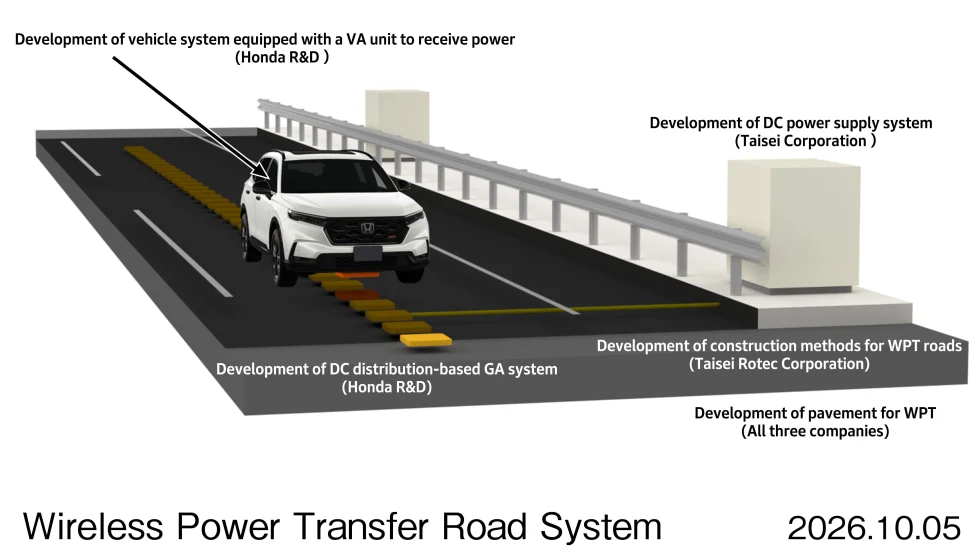
Charging In Motion
Honda has been researching wireless in-motion charging for electric vehicles since 2025, and new technology developments have put it a step closer to a final product.
Read More →
Twin Cities Stores Sell
Minnesota-based Walser Automotive Group made what it called the most significant acquisition in its history with a three-rooftop deal in Minneapolis.
Read More →
U.S. Auto Sales Still Below Prepandemic Levels
Mobility Global industry observers don’t expect the market to return to the higher volumes that became routine before Covid but to stay well below its potential.
Read More →
The Powertrain Shift
Electric-vehicle owners are backpedaling, according to new data, with product availability driving many to shift back to gas-powered engines.
Read More →
Achromatic Autos
The shades that dominate the U.S. car market don’t call attention to themselves, though grayscale may have plateaued after a 30-year upswing, research shows.
Read More →
Used-Vehicle Affordability Worsens
Listing prices in August defied seasonal trends, rising above $27,000 for the second time this year.
Read More →