


Used Car Values Expected to Decline Due to the Coronavirus Crisis
Although used vehicle prices have risen steadily in recent years due to a deluge of off-lease, option-rich SUVs, and trucks hitting used lots, experts say this trend is set to hit a turning point, according to new research from Edmunds.


Although used vehicle prices have risen steadily in recent years due to a deluge of off-lease, option-rich SUVs, and trucks hitting used lots, experts say this trend is set to hit a turning point, according to new research from Edmunds.
Image by Steve Buissinne from Pixabay
SANTA MONICA, Calif. — Used car values are expected to decline as the coronavirus crisis continues to take its toll on the U.S. economy, according to new research released from the car shopping experts at Edmunds. Edmunds analysts say that a sudden halt in demand for vehicles combined with economic uncertainty will lead to an initial knee-jerk drop in used values, based on historical precedent. In 2008, 3-year-old vehicles lost nearly 10% in value, whereas the year before they declined less than 5% in value.
With shelter-in-place mandates expected to continue through at least May for most of the country and no clearly defined end to the pandemic in sight, we can anticipate a trickle-down effect on the used market.
“Recessions aren’t kind to used values,” said Ivan Drury, Edmunds’ senior manager of insights. “With shelter-in-place mandates expected to continue through at least May for most of the country and no clearly defined end to the pandemic in sight, we can anticipate a trickle-down effect on the used market.”
Edmunds analysts take a deeper look at the impact that this trend will have on consumers, some of the factors at play in the market that will impact used vehicle values differently, and what the used market might look like once the economy begins to rebound. Research findings include:
Shoppers in the position to purchase a used vehicle now will find some bargains, but consumers who are planning on selling or trading in their vehicle might be in for a bit of a shock: Consumers who want to sell their vehicle for extra cash or trade it in toward another purchase might be surprised at the assessed value of their vehicle, especially if they’re comparing current list prices to their offer.
Multiple factors will impact used vehicle values differently. Lower demand, unusually timed off-lease inventory and reduced auction prices are major contributors toward a drop in used car values. New car incentives from automakers in response to the coronavirus crisis will also further depress prices of off-lease, near-new used vehicles.
Used values are expected to remain lower for the foreseeable future. Once the economy begins to rebound, used vehicles are often sought after as a place for consumers to save money when the nation is coming out of a recession. As a result, used values are expected to stabilize, but not necessarily rebound significantly, since most vehicles steadily lose value as they get older.
Unique dynamics between the new and used market could help keep used values in a healthier place. Although used car values aren’t expected to rebound in the short term, 2019 brought a record gap of nearly $15,000 between new and used vehicle prices. This gap allows for used values to increase without becoming a threat to new, and reduced wear and tear to vehicles as consumers drive less during this pandemic could also help lift values slightly in the future.
Although used values are expected to remain lower in the near-term, Edmunds analysts say that there’s no one-size-fits-all answer for what consumers should do if they’re contemplating selling their vehicle right now.
“Personal finances are understandably top of mind for most people right now, so if you’re a car owner and you’re in need of quick cash, selling your vehicle is still a decent option if you’re in a positive equity position or if you have an extra vehicle in the driveway,” said Drury. “A number of companies provide online trade-in evaluations and instant offers, and many dealerships offer to buy vehicles even without a purchase from their inventory. Consumers can get a good idea of what the trade-in market is for their vehicle by shopping around and determining which blend of value and convenience is right for them.”
For more automotive research and insights, visit the Edmunds Industry Center here: https://www.edmunds.com/industry/insights/.
Originally posted on F&I and Showroom
More Industry
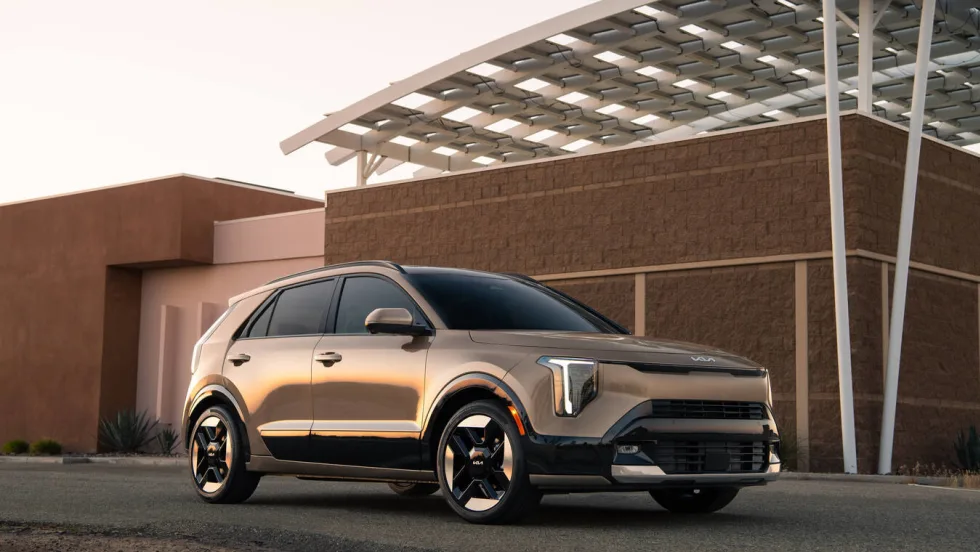
Kia Closes Out Summer With a Bang
Its U.S. subsidiary broke multiple records in August, in part due to a surge of demand for hybrids models.
Read More →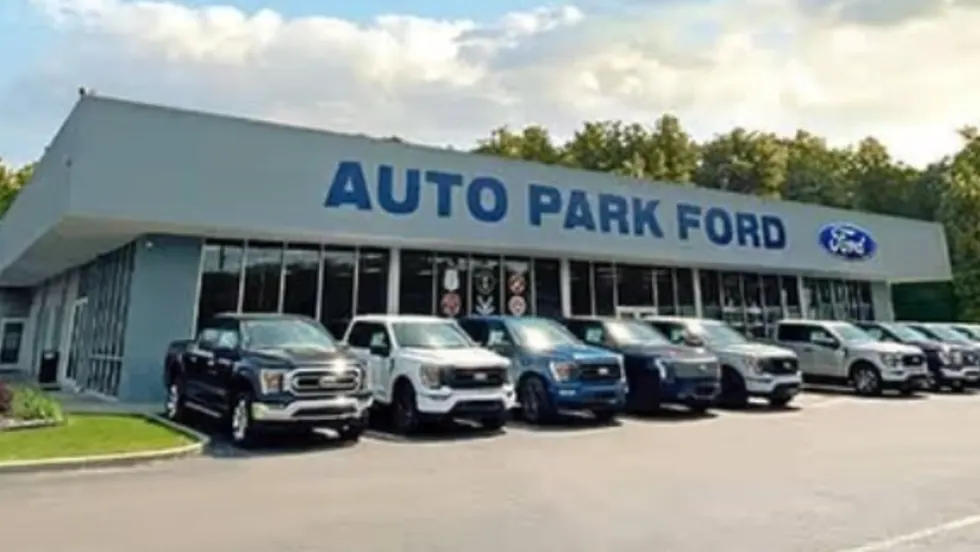
Indiana Dealership Changes Hands
A 30-year-old Ford dealership in Indiana has a new owner and will soon be undergoing renovations to meet manufacturer requirements.
Read More →
Texas Dealership No Longer in the Family
The Ford store, a longtime cornerstone of the Houston market, is now part of one of the fastest-growing U.S. auto groups.
Read More →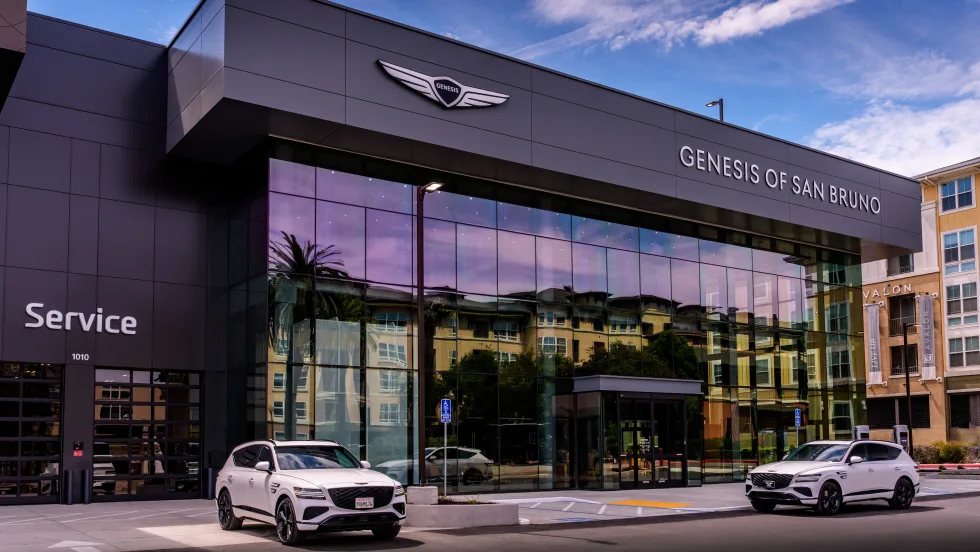
Genesis Grows California Presence
The Cardinale Automotive Group opened its third Genesis rooftop in the Golden State, Genesis of San Bruno, a stand-alone dealership serving the San Francisco Bay Area.
Read More →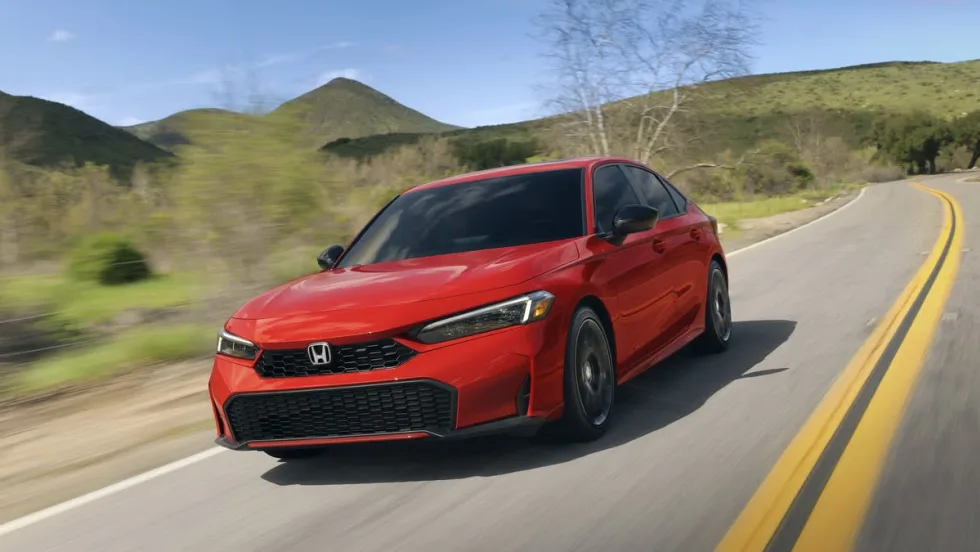
August Auto Sales a Mixed Bag
An early forecast shows strong business despite consumer hurdles, and hybrids are a big piece of their affordability coping strategy.
Read More →
EV Market Humming Along
July sales show steady growth as the segment stabilizes from last year’s artificial surge following pullback of federal support.
Read More →
Auto Loan Delinquency Rates Stabilize
Auto loans are a main driver of nonmortgage consumer debt, but delinquency rates stabilized in the second quarter across all credit risk tiers.
Read More →
EV Sales Recover in Q2
The EV sales roller coaster continues as numbers show improvement, but industry experts predict a year-over-year third-quarter decline and fourth-quarter jump.
Read More →
The Cheapest Hybrids to Fuel
The powertrain is increasing in popularity, in no small part due to its fuel economy. A new report lists the most efficient hybrids on the market.
Read More →
Hybrids and SUVs Gaining Ground
The most recent Kelley Blue Book Brand Watch found that only two nonluxury brands increased in shopper consideration, buoyed by their hybrid and SUV offerings.
Read More →