


Warranty Claims Fall for Big 3

Detroit's Big Three have slashed warranty claims more than 40 percent in recent years -- further evidence that the automakers, long plagued by repair problems and consumer perceptions that their products are inferior, are narrowing the quality gap with foreign competitors, The Detroit News reported.
The reduction in warranty claims saves the automakers much-needed money -- perhaps several hundred dollars per vehicle sold -- and boosts resale values. Those savings, in turn, contribute substantially to the operating profits of General Motors Co., Ford Motor Co. and Chrysler Group LLC, and are helping repair their reputations among consumers.
Warranty claims have fallen 45 percent at GM from 2007 levels, while Ford reduced warranty repair rates an average of more than 40 percent in each global business region from 2007 through last year, according to initial quality reports.
Some of the decline reflects weakening sales levels in recent years, and notably in 2009, but independent quality studies confirm overall improvements across the industry.
At Chrysler, the smallest of the Big Three and the one with the most quality problems, warranty claims are down 48 percent in the past two years, according to internal warranty data that tracks problems reported during the first 90 days of ownership. They dropped 30 percent in 2008, to their lowest level, and continued to fall to a record in 2009.
In 2008, the cost per unit sold was reduced by a total of $240 million, said Doug Betts, senior vice president in charge of quality for Chrysler Group LLC. A figure for 2009 was not available.
"It really says that there have been some substantial gains made in terms of the quality of the American automobile," said autos analyst Erich Merkle of Autoconomy.com in Grand Rapids.
Customers, he said, are noticing the improvements among vehicles produced by the Detroit Three.
"I think they've been helped to a certain extent by the issues that have plagued Toyota," Merkle speculated.
But in spite of Toyota Motor Corp.'s huge recalls since November, the Japanese automaker says its warranty costs also have been declining in recent years.
Honda Motor Co. would not comment on warranty cost trends but said independent quality studies, such as the J.D. Power and Associates annual surveys, show the quality of its vehicles improving since 2006.
In spite of data signaling an improvement in the quality of domestic brands is on the rise, motorist perceptions haven't caught up with the gains.
For example, three GM models -- the Cadillac DTS, Buick LaCrosse and Buick Lucerne -- ranked among vehicles with the fewest problems in the 2010 J.D. Power and Associates long-term Vehicle Dependability Study.
Still, GM's Buick and Chevrolet brands lagged Honda, Nissan, Ford, Subaru, Volkswagen, Toyota, Mazda, Hyundai and MINI in a biannual survey of consumer perceptions, conducted by California-based ALG Inc. and published this spring.
"We've got a lot of work to do, but we have made substantial improvement," said Jamie Hresko, GM's vice president of global quality.
GM does not release data on what percentage of new cars and trucks are brought back for warranty work.
During the first quarter of this year, however, GM's warranty payments fell 10.5 percent to $821 million from $917 million a year earlier. The savings helped GM post an $865 million first-quarter profit -- its first in almost three years.
Since 2007, Ford's warranty repair costs have plummeted by $1 billion. Ford and its Mercury division logged four 2007 vehicles in the J.D. Powers top 12 list.
All the Detroit Three have emphasized a commitment to improved quality. GM credits the drop in its warranty claims to more rigorous testing before a vehicle hits the showroom.
With the new Chevrolet Camaro, for example, GM deployed a fleet of test vehicles nationwide which were driven for more than 2 million miles. The vehicle's performance was monitored through the onboard OnStar safety and navigation service, which tracked issues that could be resolved before production, Hresko said.
More Industry
Charger Network Growth Slows
Despite a projected increase in public EV chargers in 2026, charging infrastructure remains a top concern for consumers as the gap between the most and least EV-friendly places remains substantial.
Read More →
Lenders, Consumers Take on More Auto Loan Risk
September records loosened credit access the most in over a decade as buyers took advantage of the conditions to afford trading, though loan applications fell.
Read More →
Next-Gen Hybrids in Sight
Dealerships can expect to see revamped hybrids from Honda next year as the company rolls out a new system and model lineup.
Read More →
Gem State Stores Change Hands
A larger auto group founded in the industry’s early years sold two franchises to a neighbor group that's on a growth spurt.
Read More →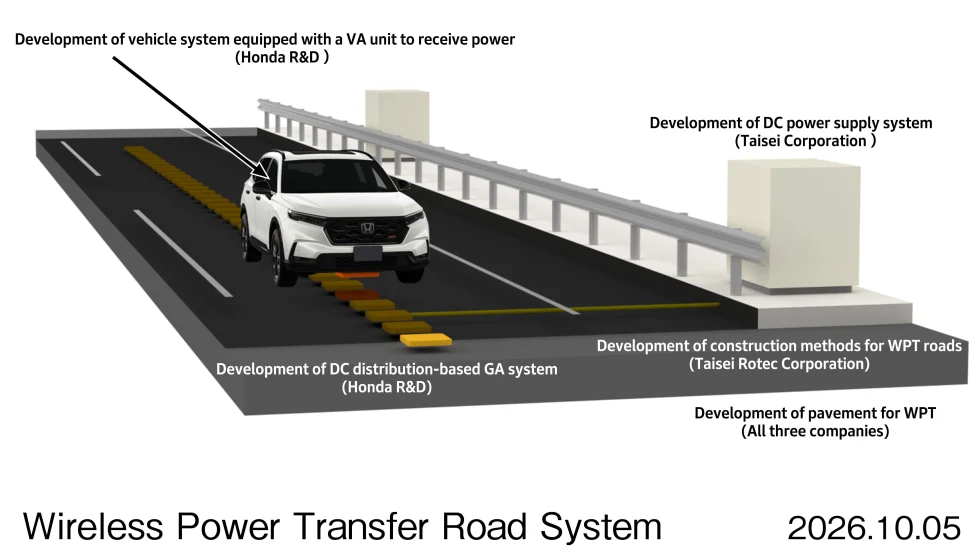
Charging In Motion
Honda has been researching wireless in-motion charging for electric vehicles since 2025, and new technology developments have put it a step closer to a final product.
Read More →
Twin Cities Stores Sell
Minnesota-based Walser Automotive Group made what it called the most significant acquisition in its history with a three-rooftop deal in Minneapolis.
Read More →
U.S. Auto Sales Still Below Prepandemic Levels
Mobility Global industry observers don’t expect the market to return to the higher volumes that became routine before Covid but to stay well below its potential.
Read More →
The Powertrain Shift
Electric-vehicle owners are backpedaling, according to new data, with product availability driving many to shift back to gas-powered engines.
Read More →
Achromatic Autos
The shades that dominate the U.S. car market don’t call attention to themselves, though grayscale may have plateaued after a 30-year upswing, research shows.
Read More →
Used-Vehicle Affordability Worsens
Listing prices in August defied seasonal trends, rising above $27,000 for the second time this year.
Read More →