
Via CNBC
Henrik Fisker, the founder and Executive Chairman of Fisker Automotive, told CNBC he is leaving the company due to differences with the company's current leadership.

 MENU
MENU SEARCH
Via CNBC
Henrik Fisker, the founder and Executive Chairman of Fisker Automotive, told CNBC he is leaving the company due to differences with the company's current leadership.
"There are a lot of issues and differences I have with this company and the management team right now," Fisker said. "This is the best move for me right now."
Fisker leaves at a tumultuous time for the electric car company that has struggled with slow sales and a lack of liquidity. The company's first model, the extended range electric Karma, has been criticized as being too heavy and too inefficient. Since the Karma went on sale in 2011, Fisker Automotive has sold fewer than 2,000 models. The Fisker Karma sells for more than $100,000.
Under Henrik Fisker's leadership, Fisker Automotive was granted a $529 Million loan from the Department of Energy in September of 2009. It was hailed by environmentalists as an example of the government working with the auto industry to help develop electric cars and revive America's auto industry. After all, Fisker planned to eventually build cars at a former General Motors assembly plant in Delaware. That never happened. Instead, Fisker built the Karma in Finland saying there were no assembly plants in the U.S. that could build the luxury electric car on a contract basis.
The decision ignited a firestorm of controversy as critics blasted Fisker and the Obama Administration for using federal money to fund auto manufacturing in Europe. For a while, the Fisker DOE loan became a central point of the U.S. race for President as Republican nominee Mitt Romney blasted President Obama for lending federal money to a company that was struggling and building cars in Finland.
In 2011, the DOE suspended the Fisker Automotive line of credit after loaning the company $190 million of the $529 million the company was authorized to receive.
Meanwhile, as Fisker tried to get its finances in order, its launch model seemed to constantly be in the news for having problems. In 2011, the EPA rated the high priced EV as delivering the equivalent of 52 MPG, and an all-electric range of just 32 miles.
The results were well below what Fisker had promised and what auto enthusiasts expected. Early last year, the $107,000 Karma model Consumer Reports bought and was test driving stalled during its initial drive and had to be towed to a service center. Pictures of the Karma being loaded onto a flatbed tow truck became an embarrassing symbol of Karma problems.
Finally, during Hurricane Sandy last year, Fisker lost 300 new Karma models that were damaged in the storm. An estimated $30 Million dollars in vehicles lost at a time when Fisker was struggling to get models into showrooms and into the hands of potential buyers.
The automaker says its movement of some electric-vehicle work to the S.C. factory is part of a more tailored product focus. It also plans to add a new hybrid model to the plant’s itinerary.
Read More →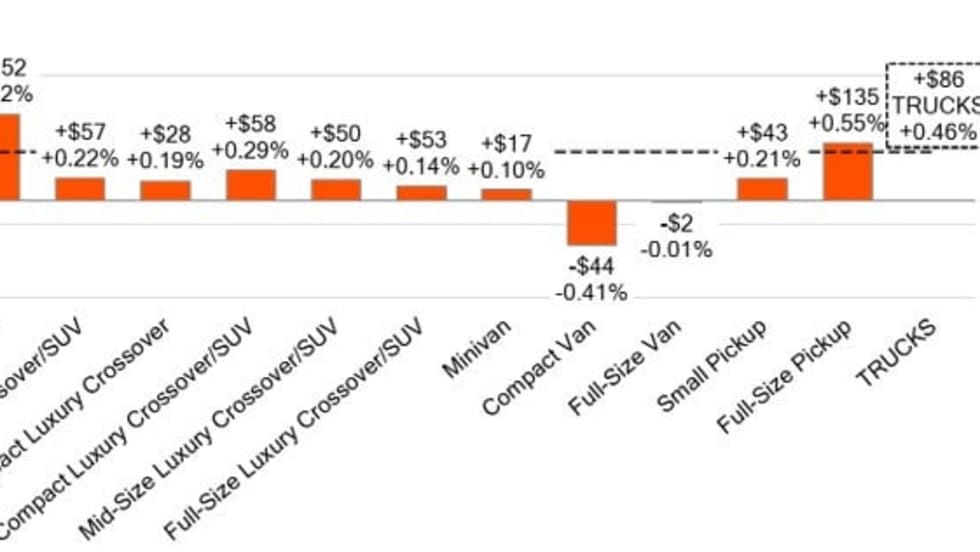
Last week's wholesale automotive auction activity continued in a healthy mode, though buyers practiced selectivity.
Read More →
CarGurus’ first quarterly review of 2026 shows that affordability concerns are continuing to drive consumer purchases with a shift to more fuel-efficient options.
Read More →
JD Power analysts see auto retail faring this year’s storms well through various means, though it acknowledges conditions are challenging to accurately predict.
Read More →
Car insurance premiums have continued to decline so far this year, the overall national average settling at $138 per month in March, according to Insurify data.
Read More →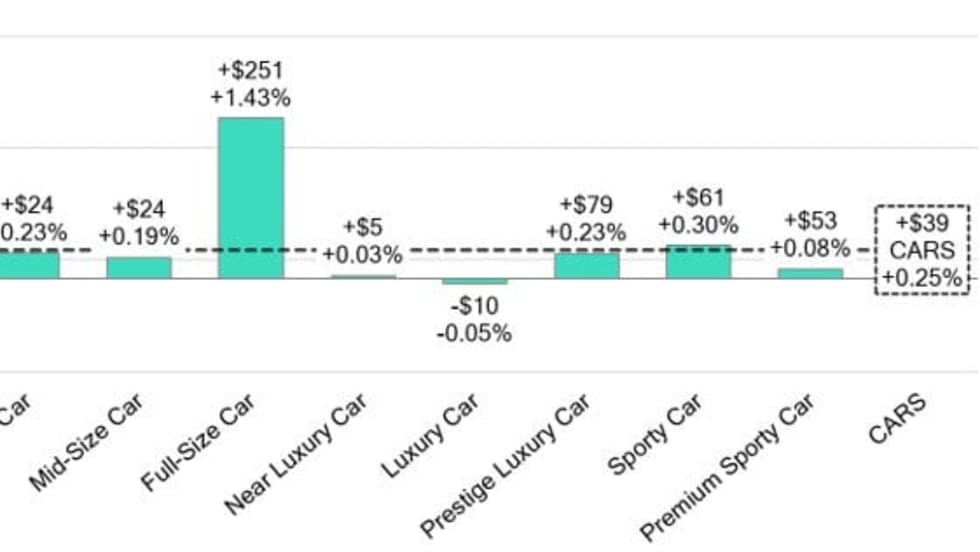
Last week's wholesale auction activity was stable, though buyers exercised selectivity as they focused on certain segments.
Read More →
In this week's Dealer Debrief, host Lauren Lawrence covers a new safety assessment, current inventory issues, and a new payables process for dealerships.
Read More →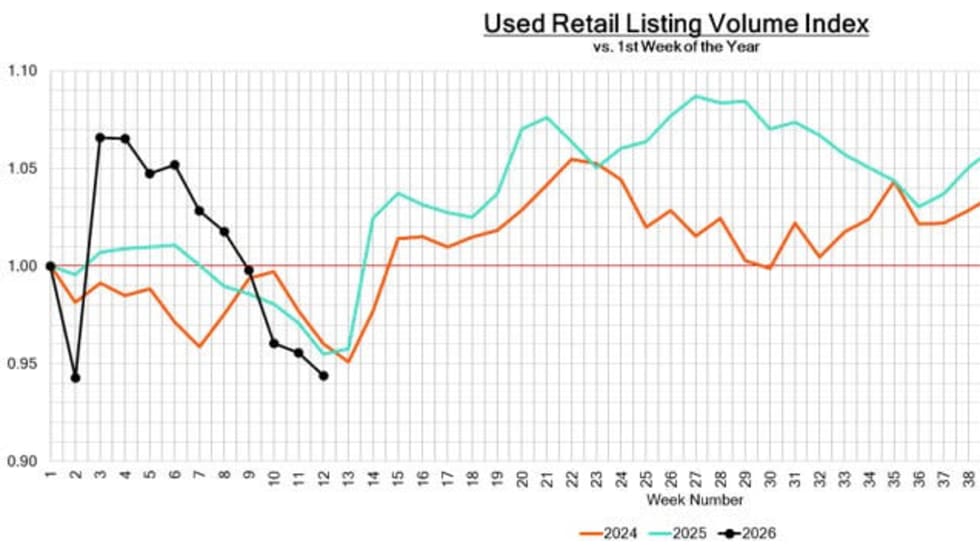
Both conversions and values were up last week, though business was spotty depending on the segment in question.
Read More →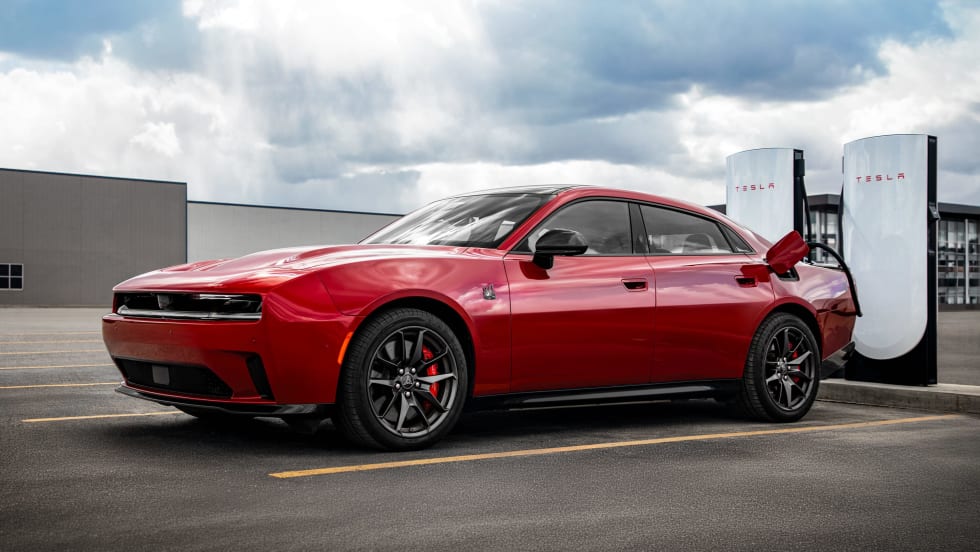
Five of its brands now have greater access to battery-electric vehicle charging through Tesla’s Supercharger network across North America.
Read More →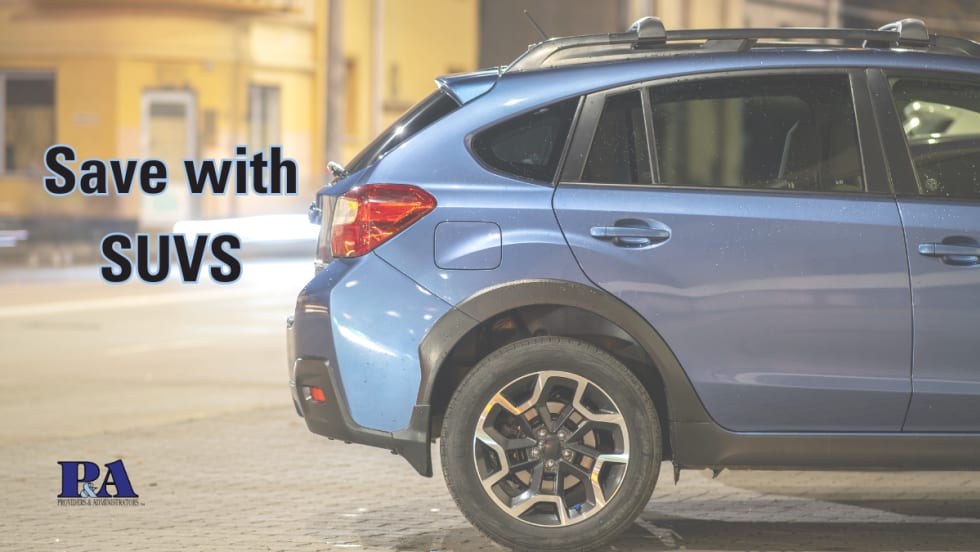
Sixteen out of the 20 cheapest vehicles to insure in 2026 are SUVs, according to CarInsurance.com, largely because of their safety features and lower repair costs.
Read More →