


Powersports Needs CPO Programs

Powersports Needs CPO Programs
Recent headlines for the certified pre-owned (CPO) market in autos have claimed continued record sales quarter after quarter with no end to growth in sight. Consumer and industry experts consistently report CPO cars and pick-ups/SUVs are perceived by buyers to have higher quality, value, reliability and desirability than non-certified used vehicles. Auto consumers continue to seek out and confidently pay more for CPO vehicles because of the peace-of-mind and quality they represent. The most common and important elements of a certified-pre owned program are:
Multiple point inspections, ensuring the vehicle is in good working condition
Extended limited warranties/service contracts for at least three months
Vehicle history reports indicating a clear title from DMV sources
Clear, branded CPO marketing materials that indicate to the buyer that the vehicle is certified
Auto dealer benefits of CPO programs include higher unit prices and sell-through rates, increased customer satisfaction and service loyalty, and new entrants to their brands and dealerships. Not everything is easy for auto dealers — most auto CPO programs are specific to their franchise’s manufacturer so they are unable to certify other name plates, meaning Toyota dealers cannot certify Ford cars and vice versa. Even with that caveat, CPO sales continue to rise.
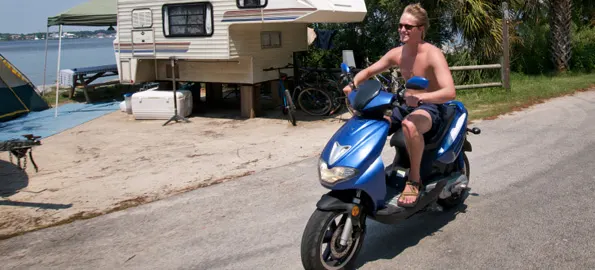
Now that powersports dealers are seeing more of their revenue coming from used-vehicle sales, the need for a powersport-specific CPO program has increased. Some powersport OEMs such as Harley-Davidson, BMW and Honda offer elements of a factory program, such as extending the existing factory warranties, but not inspections or vehicle history reports, or significant CPO marketing. Plus, these vehicles usually need to be newer and exclude older model years even though they might be in good condition and have lower mileage.
Some dealers have taken to self-certifying vehicles, but they are not independent programs and usually lack one or more of the common CPO elements. Plus, with so many vehicle types and OEM brands being retailed, the confusion at the dealership can be significant as to what “certified” means for that specific vehicle.
Now that we’ve identified what the programs are and the gaps in the market, what true CPO programs exist to fill them? There are two on the market today that offer CPO programs for the powersports market. The instaVIN Certified Pre-Owned Program offers certification of used motorcycles, ATVs, RVs, trailers and watercraft of any brand that meets age and mileage parameters. The program includes a vehicle inspection, a three- or 12-month limited warranty, and a vehicle history report when available. Good Sam Certified offers certification for RVs which includes a three-month limited warranty.
Dealers can choose to self-certify or simply rely on the factory warranty, but they will miss the opportunity to have a complete, independent program that their customers can trust.
More Product & Technology

Set Yourself Apart
Product providers can follow the lead of industry cohorts in the practice of leveraging their brands through private labeling, pumping new energy into their platforms to stand out from competitors.
Read More →
EVs Excel at Longevity
Research finds that after a certain mileage point, they outlast gas and diesel vehicles despite being driven more.
Read More →
Integrating AI Into Your Admin System
It’s important for finance-and insurance administrators to build the technology into their existing systems instead of bolting it on.
Read More →
Public EV Charging Improves
The infrastructure buildout in the U.S. is providing more availability and safety at a better cost, according to the latest EV experience study by JD Power.
Read More →
AI in the Dealership
A Cox Automotive poll shows most dealers use it, but only some have found the smartest ways to adapt the surging technological sensation.
Read More →
AAA Honors Service and Repair Facilities
Three automotive dealerships made AAA's Service Providers of Excellence and Best in Repair list this year.
Read More →
EFG Launches Product Admin Platform
The company says the offering is designed to empower administrators, service contract providers, and product marketers to expand automotive and power-sports capabilities.
Read More →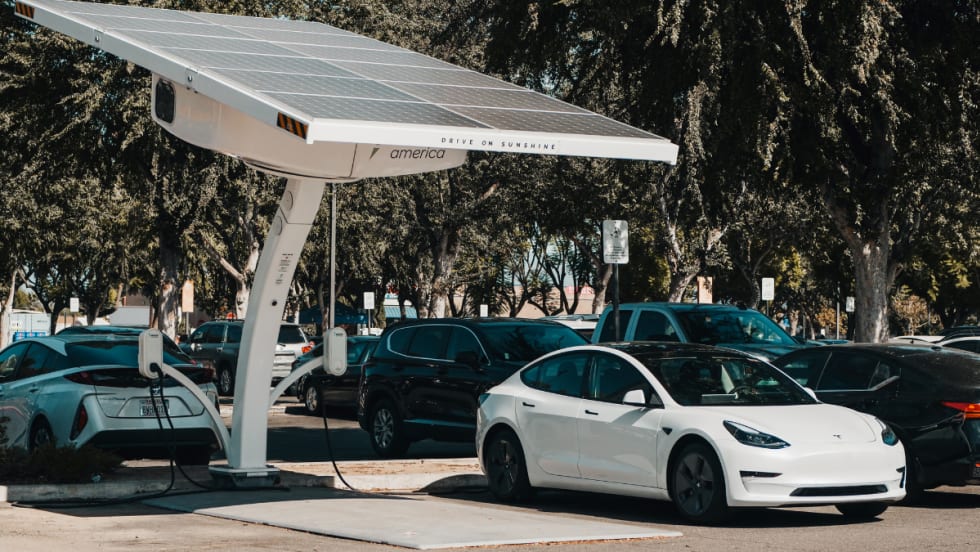
Optimized Charging Could Reduce Costs
According to an Alliance for Automotive Innovation analysis, optimized EV charging could cut costs for drivers and improve grid infrastructure - potential adoption incentives.
Read More →
From Inspection to Impact
Data, video and artificial intelligence are driving service performance today, when inspection performance is closely tied to key business outcomes.
Read More →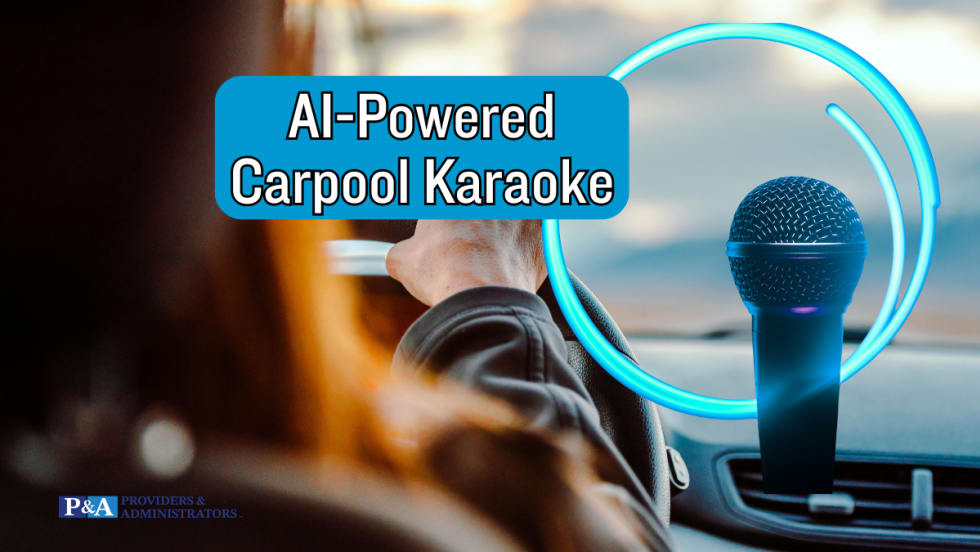
Car Karaoke Gets Official Platform
The in-vehicle karaoke and sing-along platform by Samsung arm is meant to add traveling enjoyment safely in technology that automakers can tailor to their specific needs.
Read More →