


Ex-GM Engineer, Husband Charged with Trying to Steal Trade Secrets for Chinese Automaker

DETROIT - A former General Motors Co. engineer and her husband are accused of trying to steal GM trade secrets to sell to a Chinese company in a case bound to heighten concerns about Chinese intellectual property theft, reported The Detroit News.
Shanshan Du, 51, and her husband, Yu Qin, 49, were charged in federal court with conspiring to steal more than $40 million worth of GM hybrid technology trade secrets that they intended to provide to China's Chery Automobile.
The thousands of pages of documents and materials that Du allegedly stole over two years never got to Chery, according to the indictment.
The case comes less than a year after a former Ford Motor Co. product engineer from Beijing, Xiang Dong Yu, was indicted on charges that he stole trade secrets he was allegedly peddling to Chinese firms.
"Theft of trade secrets is a threat to national security," Andrew Arena, head of the FBI in Detroit, said in a statement.
The cases are likely to reinforce a sentiment in the auto industry that there has been little progress in slowing the theft of intellectual property that ends up in China.
"It's a continuing problem, more with China than with any other country," said Jim Hossack, an analyst at AutoPacific Inc. in Tustin, Calif. "Their intellectual property expectations are different from ours. It's a bit like the Wild West."
Du and her husband, who live in Troy, stood mute in the federal courtroom here before U.S. Magistrate Judge Mark A. Randon on conspiracy and other charges, including wire fraud. They looked very much the suburban couple, Qin in gray khakis and sneakers, Du in a white lacy skirt and light brown suede loafers. Their ankles were handcuffed. In court, Qin said he was a U.S. citizen. Du wasn't asked about her citizenship.
Judge Randon set unsecured bond for each at $10,000 and ordered them not to leave the tri-county area. The couple asked permission to travel briefly out of state next month to accompany their son, who is starting college.
The pair conspired to steal GM trade secrets from December 2003 to May 2006, according to the indictment. Du, who worked at GM as an engineer from 2000 to 2005, is accused of stealing GM secrets pertaining to motor control technology for gasoline-electric hybrid vehicles. She shared the data with Qin, also an engineer, who attempted to provide the technology to Chery, according to the indictment.
GM has previously tangled with Chery, a state-owned carmaker that produced a QQ minicar in 2002 that looked like a copy of the Chevrolet Spark. GM's Daewoo unit in South Korea developed the Spark for China and other markets.
"We cooperated with the authorities in developing the case, and we'll continue to cooperate," said GM spokesman Tom Wilkinson. He declined to elaborate.
Du and Qin had been under investigation for years and were charged in 2006 with destroying documents, but that case was dropped while a broader probe was ongoing.
From 2003 to 2005, Du worked in GM's Advance Technology Vehicle Group in Troy. By summer 2005, Qin, who at the time worked at Troy-based electrical systems and equipment maker Controlled Power Co., was telling people he had a deal to provide hybrid technology to Chery. The couple had set up their own company, Millennium Technology International, MTI, in 2000. Its aim was to set up joint ventures of hybrid technology with Chinese firms.
Assistant U.S. Attorney Cathleen Corken said GM was notified of the alleged theft by Qin's employer, which discovered a portable hard drive containing GM documents. GM called the FBI in 2006. The indictment contains details of e-mail exchanges offering GM data and plans.
The indictment was "a surprise to us," Qin's attorney, Frank Eaman, said. "This investigation has been going on so long I figured if they had a basis, they would have charged them a long time ago."
More Industry

Charger Network Growth Slows
Despite a projected increase in public EV chargers in 2026, charging infrastructure remains a top concern for consumers as the gap between the most and least EV-friendly places remains substantial.
Read More →
Lenders, Consumers Take on More Auto Loan Risk
September records loosened credit access the most in over a decade as buyers took advantage of the conditions to afford trading, though loan applications fell.
Read More →
Next-Gen Hybrids in Sight
Dealerships can expect to see revamped hybrids from Honda next year as the company rolls out a new system and model lineup.
Read More →
Gem State Stores Change Hands
A larger auto group founded in the industry’s early years sold two franchises to a neighbor group that's on a growth spurt.
Read More →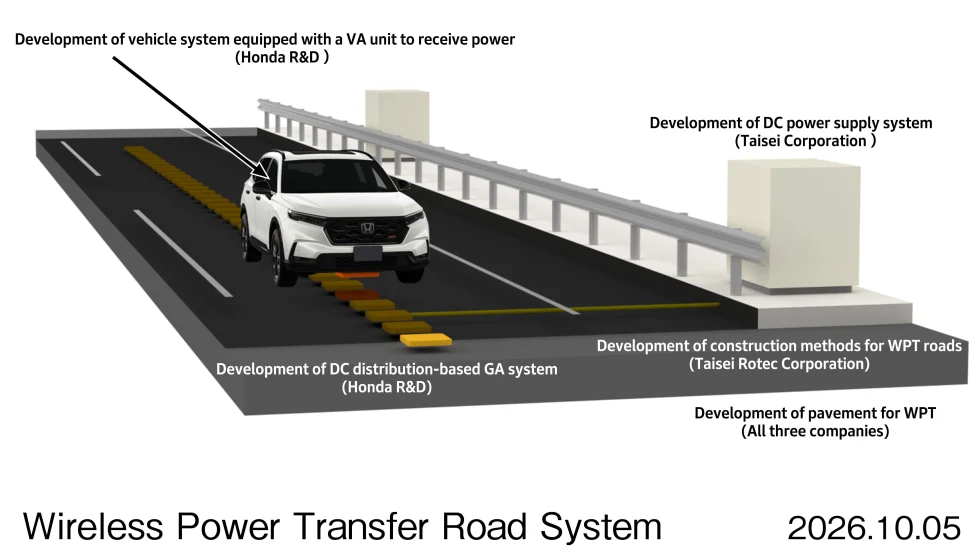
Charging In Motion
Honda has been researching wireless in-motion charging for electric vehicles since 2025, and new technology developments have put it a step closer to a final product.
Read More →
Twin Cities Stores Sell
Minnesota-based Walser Automotive Group made what it called the most significant acquisition in its history with a three-rooftop deal in Minneapolis.
Read More →
U.S. Auto Sales Still Below Prepandemic Levels
Mobility Global industry observers don’t expect the market to return to the higher volumes that became routine before Covid but to stay well below its potential.
Read More →
The Powertrain Shift
Electric-vehicle owners are backpedaling, according to new data, with product availability driving many to shift back to gas-powered engines.
Read More →
Achromatic Autos
The shades that dominate the U.S. car market don’t call attention to themselves, though grayscale may have plateaued after a 30-year upswing, research shows.
Read More →
Used-Vehicle Affordability Worsens
Listing prices in August defied seasonal trends, rising above $27,000 for the second time this year.
Read More →