


Ford Credit Reports Preliminary Earnings of $2 Billion in 2010

DEARBORN – Ford Motor Credit Company reported net income of $2 billion in 2010, an improvement of $0.7 billion from earnings of $1.3 billion a year earlier. On a pre-tax basis, Ford Credit earned $3.1 billion in 2010, compared with $2 billion in the previous year.
The captive lender said the full year increase in pretax earnings is primarily explained by a lower provision for credit losses and lower depreciation expense for leased vehicles related to higher auction values, offset partially by lower volume and the non-recurrence of net gains related to unhedged currency exposure primarily from cross-border intercompany lending.
In the fourth quarter of 2010, Ford Credit’s net income was $367 million, a decrease of $85 million from a year earlier. On a pre-tax basis, Ford Credit earned $572 million in the fourth quarter of 2010, compared with $714 million in the previous year. The decrease in pre-tax earnings primarily reflected lower volume and the non-recurrence of lower lease depreciation expense related to lower gains as fewer leases terminated and the vehicles were sold.
“We are pleased with our 2010 performance, which enabled us to increase our planned distributions,” Ford Credit Chairman and CEO Mike Bannister said. “We expect results to be solid though more moderate in 2011 as we continue to provide strong support for Ford, our dealers and customers.”
On Dec. 31, 2010, Ford Credit’s on-balance sheet net receivables totaled $81 billion, compared with $93 billion at year-end 2009. Managed receivables were $83 billion on Dec. 31, 2010, down from $95 billion at year-end 2009. The lower receivables primarily reflected the discontinuation of Jaguar, Land Rover, Mazda and Volvo financing and lower industry volumes in recent years.
On Dec. 31, 2010, managed leverage was 6.7 to 1. Ford Credit distributed $1 billion to Ford Motor Company in the fourth quarter of 2010 for a total of $2.5 billion of distributions in 2010.
For full-year 2011, Ford Credit expects to be solidly profitable but at a lower level than in 2010, reflecting primarily the non-recurrence of lease depreciation expenses and credit loss reserve reductions of the same magnitude as 2010. At year-end 2011, managed receivables are anticipated to be in the range of $80 billion to $85 billion. Ford Credit expects to pay distributions to Ford Motor of about $2 billion in 2011.
More Industry

World EV Adoption Set to Grow
A new report says the segment, despite recent setbacks in some regions, is poised for acceleration as many countries look to reduce pollution.
Read More →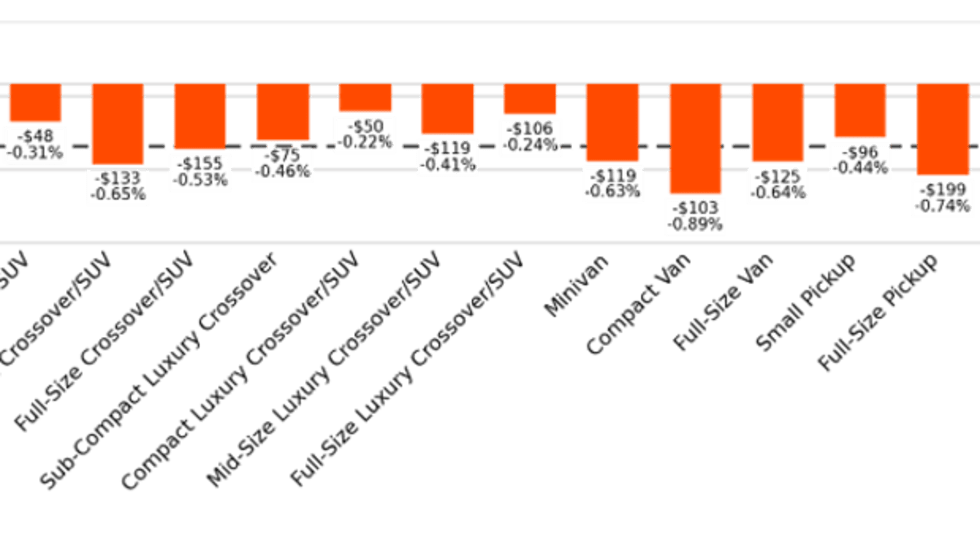
Black Book: Weekly Market Update
Wholesale automotive auction business stayed steady last week as bidders encountered lower prices, analysts observed.
Read More →
Pricing Transparency Drives Purchase Consideration
An annual study by JD Power found that clear pricing matters to consumers on automaker websites, so much so that it increases their purchase consideration.
Read More →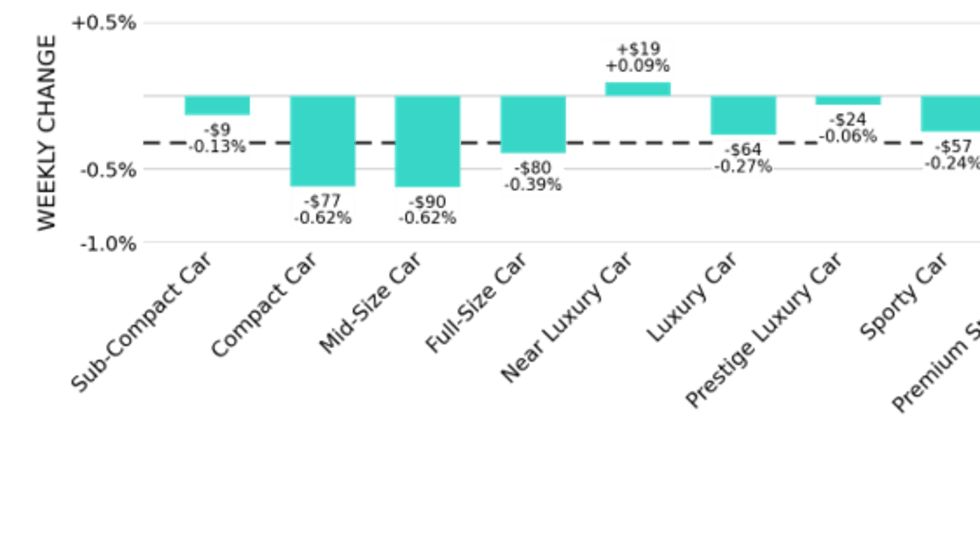
Black Book: Weekly Market Update
Used-vehicle market depreciation was the prevailing story in the wholesale market last week.
Read More →
Smaller Is Looking Better
A growing number of Americans in the market for a new vehicle are opting for more affordable options, not waiting for market stability to bite the bullet.
Read More →
U.S. EV Market Slowly Stabilizes
U.S. electric-vehicle interest is slowly stabilizing since a major dip in sales after last year's end of the federal EV tax credit, and hybrids remain the leading electrified power train.
Read More →
Global EV Market Entering New Phase
Automakers are making investments to lower battery costs and optimize production to meet changing consumer needs.
Read More →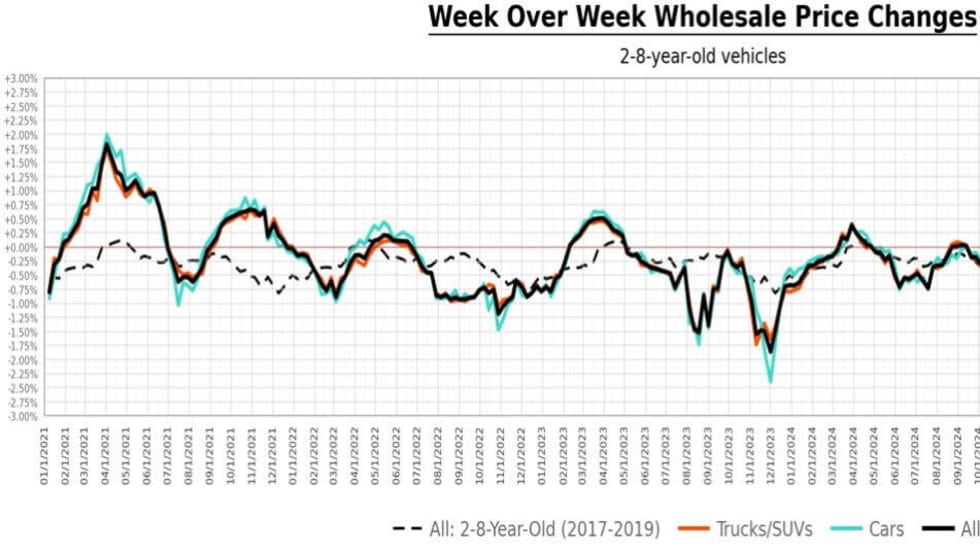
Black Book Weekly Market Update
The holiday weekend, not surprisingly, put a drag on wholesale automotive activity last week, analysts observed.
Read More →
Auto Affordability in Context
Cox Automotive points out the complex circumstances that have led to eye-popping vehicle prices.
Read More →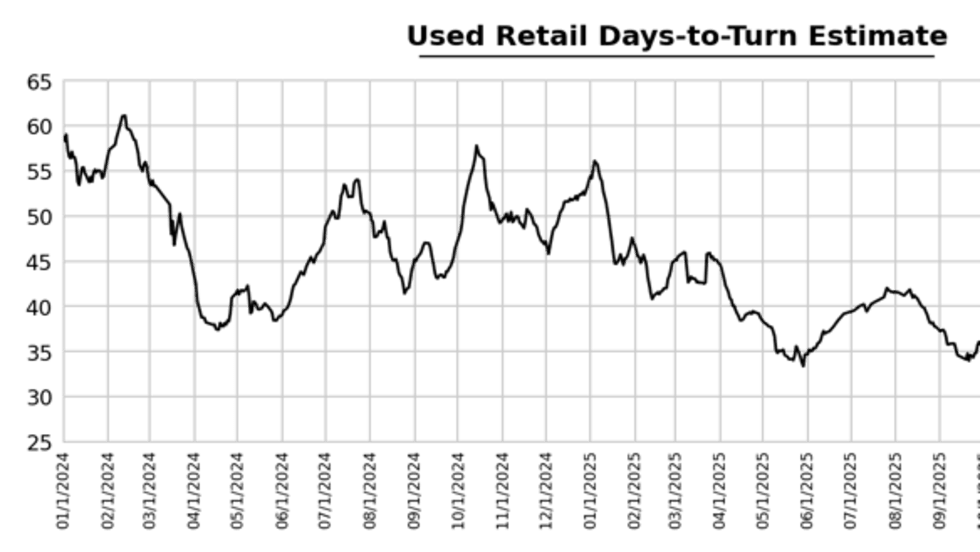
Black Book: Weekly Market Update
Automotive auction inventory increased last week, giving choosy bidders even more leeway.
Read More →