


Ford Leaders Expect ICE Sales Growth, Then Taper
They say profit margins from combustion vehicles will rise for a few years until a widespread consumer shift toward electric vehicles.

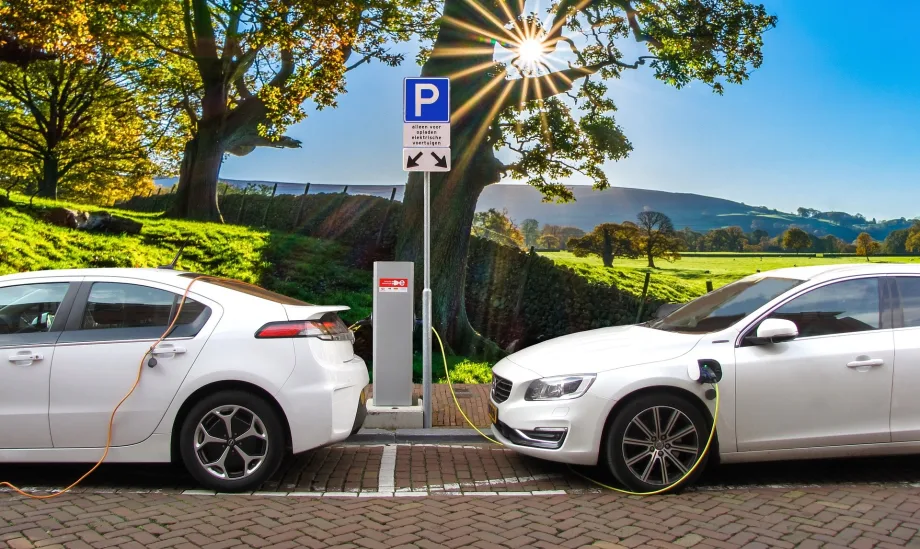
Though EV sales are growing, Ford predicts robust U.S. sales of gas-powered vehicles into the next decade.
Pixabay
Ford Motor Co. predicts sales and profit margins of its traditional combustion engine vehicles will continue to grow over the next two years before a consumer shift to electric vehicles begins to affect that sector.
During a capital markets day event for investors and the media, company executives outlined their expectations for Ford's gasoline-powered business, referred to as Ford Blue, as well as its Model e EV unit and Ford Pro commercial unit. They also reiterated their 2023 full-year guidance, projecting adjusted earnings before interest and taxes of $9 billion to $11 billion.
Kumar Galhotra, the head of Ford Blue, said profit margins from combustion vehicles are expected to rise from the current 7.2% to at least 10% by 2026. The growth plans are based on the company's focus on profitable vehicle segments and the development of high-margin, low-cost variations.
Galhotra emphasized that trucks, off-road vehicles, and performance segments offer significant opportunities for growth. However, he acknowledged the volume and margins of Ford Blue are likely to decline after 2025 as EVs gain popularity. Despite the expected contraction, Galhotra mentioned Ford expects robust U.S. sales of traditional internal combustion engine and hybrid vehicles well into the next decade.
As part of the automaker’s efforts to increase profits in the Ford Blue sector, Galhotra said the company has identified $500 million in savings this year by simplifying parts and improving manufacturing efficiencies. For instance, the upcoming refreshed version of the F-150 full-size pickup will have 2,400 fewer parts than the current model.
Galhotra also highlighted the reduction in orderable combinations for the Explorer from 1,900 to 23 over the past two years, and for the Expedition from 800 to 32.
Ford executives acknowledge the company faces a cost disadvantage of approximately $7 billion compared to its competitors, primarily within the Ford Blue segment.
CEO Jim Farley said the leadership team now dedicates one Tuesday a month to identifying opportunities to reduce material and supplier costs.
CFO John Lawler noted it's the duty of company leaders to achieve results, emphasizing that addressing cost matters is a key goal they must deliver on.
Originally posted on Auto Dealer Today
More Industry

Badger State Dealership Gets New Owner
The longtime southern Wisconsin store moved from one area auto group to another, keeping the business in Dairyland.
Read More →
The Cycle of Negative Equity
Third-quarter data shows consumers still rolling over debt and stretching loan terms, raising their risk of remaining underwater.
Read More →
Charger Network Growth Slows
Despite a projected increase in public EV chargers in 2026, charging infrastructure remains a top concern for consumers as the gap between the most and least EV-friendly places remains substantial.
Read More →
Lenders, Consumers Take on More Auto Loan Risk
September records loosened credit access the most in over a decade as buyers took advantage of the conditions to afford trading, though loan applications fell.
Read More →
Next-Gen Hybrids in Sight
Dealerships can expect to see revamped hybrids from Honda next year as the company rolls out a new system and model lineup.
Read More →
Gem State Stores Change Hands
A larger auto group founded in the industry’s early years sold two franchises to a neighbor group that's on a growth spurt.
Read More →
Charging In Motion
Honda has been researching wireless in-motion charging for electric vehicles since 2025, and new technology developments have put it a step closer to a final product.
Read More →
Twin Cities Stores Sell
Minnesota-based Walser Automotive Group made what it called the most significant acquisition in its history with a three-rooftop deal in Minneapolis.
Read More →
U.S. Auto Sales Still Below Prepandemic Levels
Mobility Global industry observers don’t expect the market to return to the higher volumes that became routine before Covid but to stay well below its potential.
Read More →
The Powertrain Shift
Electric-vehicle owners are backpedaling, according to new data, with product availability driving many to shift back to gas-powered engines.
Read More →