


House Panel Approves Auto-safety Bill

WASHINGTON — A U.S. House panel approved a far-reaching auto-safety bill Wednesday, requiring that all cars be equipped with advanced-brake systems, "black box" data recorders and other technology in the next few years, reported The Wall Street Journal.
The move sets up a full House vote that could come in weeks.
The Motor Vehicle Safety Act of 2010, approved by a 31-21 vote of the House Energy and Commerce Committee largely on the support of Democrats, would also strengthen federal regulators' ability to force recalls of defective vehicles and impose larger civil fines against car companies that fail to report safety defects.
The bill is among several congressional proposals designed to address concerns raised by Toyota Motor Corp.'s recall since last fall of some 8.5 million vehicles globally for sudden acceleration and other problems.
The committee vote sets up a possible vote of the full House in coming weeks. A Senate panel is set to consider a companion bill early next month.
The bill approved Wednesday was scaled back from previous versions after the Alliance of Automobile Manufacturers voiced concerns about the industry's ability to meet timelines for the costly rollouts of technology. The alliance represents General Motors Co., Ford Motor Co., Chrysler Group LLC, Toyota and other major auto makers.
The bill's costs are unknown, given that details of the new technology requirements would later be set by the Department of Transportation.
As part of an agreement reached late Tuesday between Rep. Henry Waxman (D., Calif.), the committee chairman, and Rep. John Dingell (D., Mich), a chief ally of the auto industry, timelines for the technology were loosened and some requirements scrapped.
Now, all cars would be required to have "black boxes" that record crash data starting in the 2015 model year. Cars would also be required to have brake-override systems, which ensure a car will stop even when the throttle is jammed open, though the legislation doesn't specify a compliance date for that measure.
The bill calls for the DOT to consider whether to require changes in gas-pedal configurations and standards for engine electronics. A previous version mandated the changes.
The bill would also empower the head of the National Highway Traffic Safety Administration to force recalls of cars that present "a substantial likelihood of death or serious injury to the public," with auto makers given 10 days to present any concerns to the agency.
A previous version of the bill didn't include the opportunity for auto makers to respond to the order.
The bill would also eventually impose a $9 fee per car, with the NHTSA collecting the revenue to improve its operations.
The Auto Alliance has said it supports broad aspects of the legislation, including the new technology mandates, but that some of the deadlines for implementation might be too stringent.
Many Republicans opposed the legislation, arguing it would expand government bureaucracy and drive up the cost of cars.
More Industry
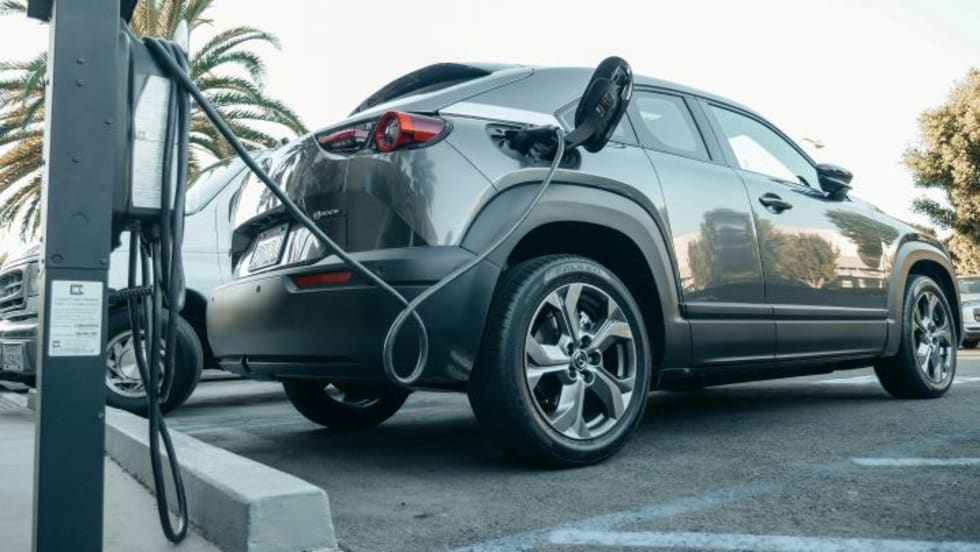
World EV Adoption Set to Grow
A new report says the segment, despite recent setbacks in some regions, is poised for acceleration as many countries look to reduce pollution.
Read More →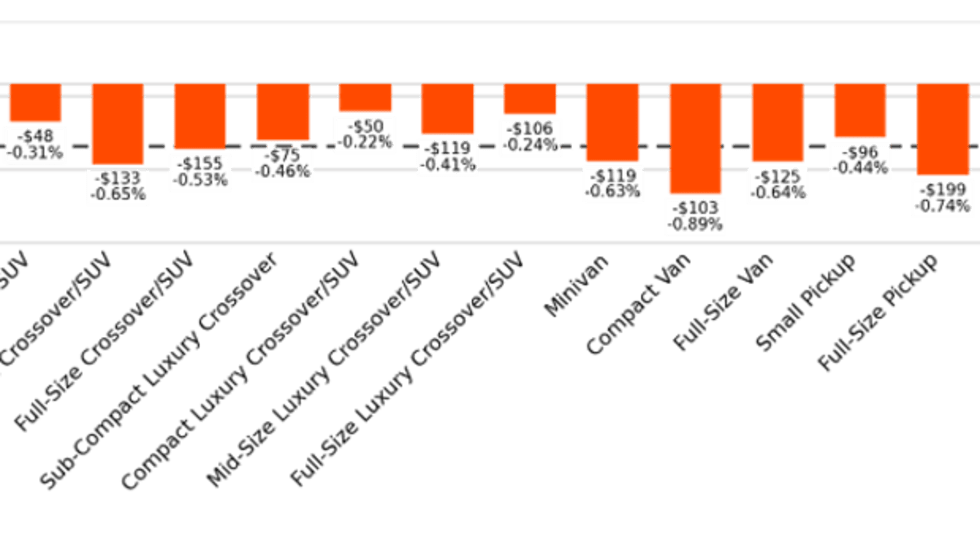
Black Book: Weekly Market Update
Wholesale automotive auction business stayed steady last week as bidders encountered lower prices, analysts observed.
Read More →
Pricing Transparency Drives Purchase Consideration
An annual study by JD Power found that clear pricing matters to consumers on automaker websites, so much so that it increases their purchase consideration.
Read More →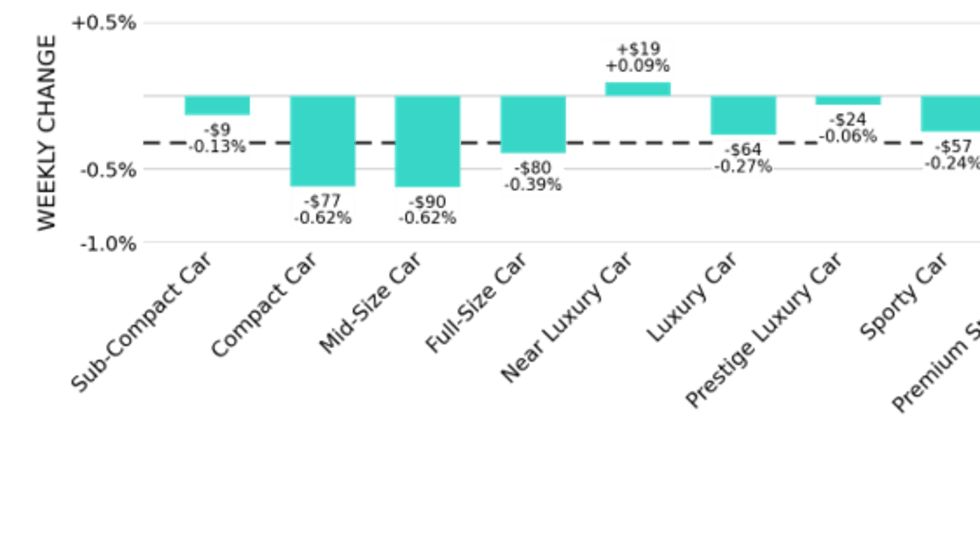
Black Book: Weekly Market Update
Used-vehicle market depreciation was the prevailing story in the wholesale market last week.
Read More →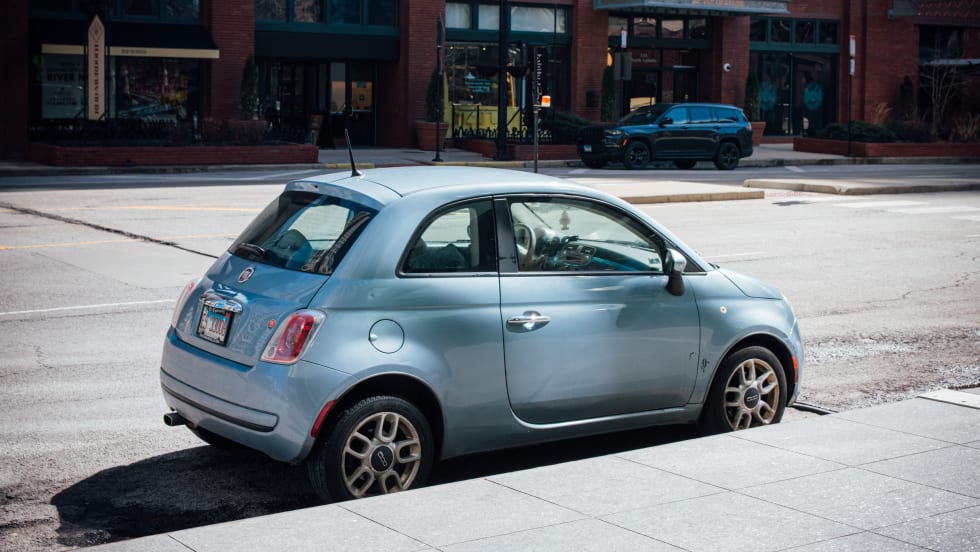
Smaller Is Looking Better
A growing number of Americans in the market for a new vehicle are opting for more affordable options, not waiting for market stability to bite the bullet.
Read More →
U.S. EV Market Slowly Stabilizes
U.S. electric-vehicle interest is slowly stabilizing since a major dip in sales after last year's end of the federal EV tax credit, and hybrids remain the leading electrified power train.
Read More →
Global EV Market Entering New Phase
Automakers are making investments to lower battery costs and optimize production to meet changing consumer needs.
Read More →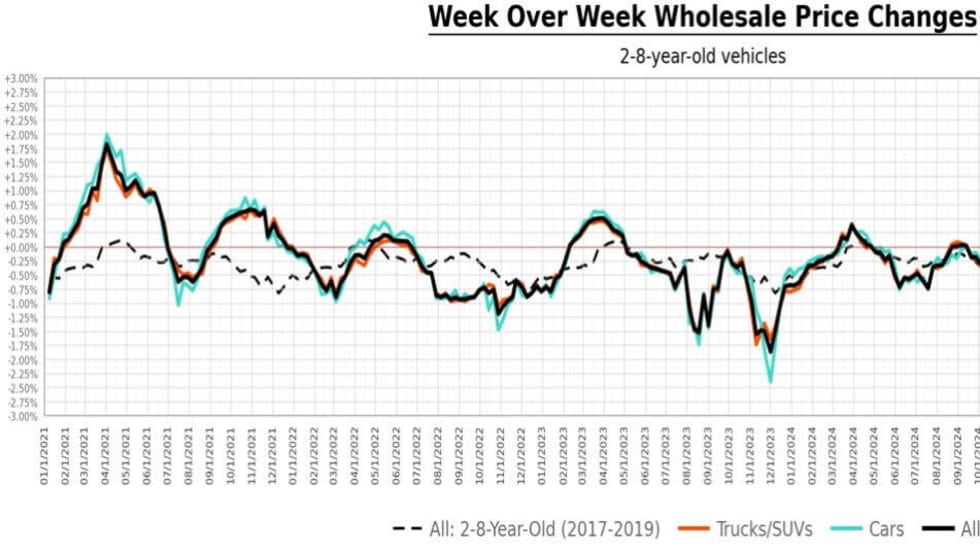
Black Book Weekly Market Update
The holiday weekend, not surprisingly, put a drag on wholesale automotive activity last week, analysts observed.
Read More →
Auto Affordability in Context
Cox Automotive points out the complex circumstances that have led to eye-popping vehicle prices.
Read More →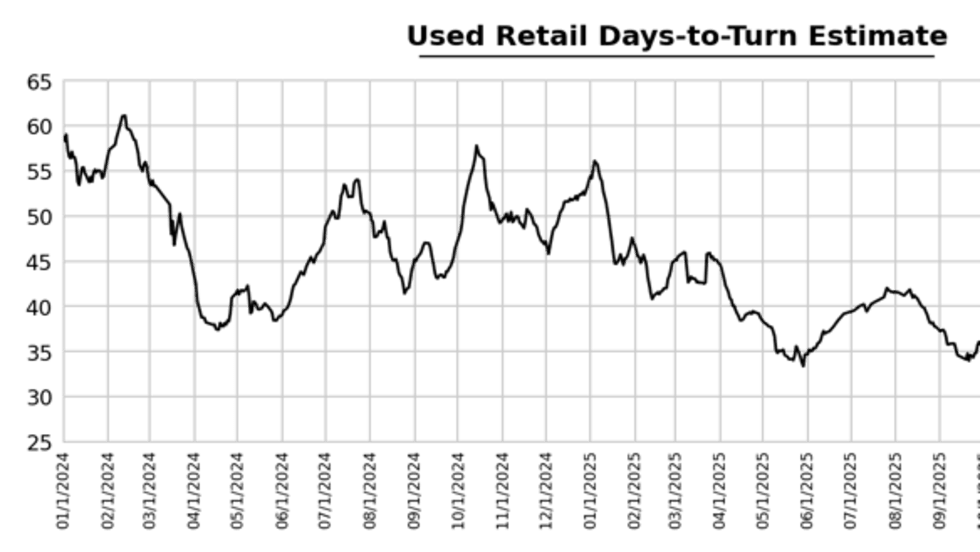
Black Book: Weekly Market Update
Automotive auction inventory increased last week, giving choosy bidders even more leeway.
Read More →