


Lawmakers Seek U.S. Ban on Chinese Battery Makers
GOP reps, senator call on Dept. of Homeland Security to shut out two companies they say use slave labor.

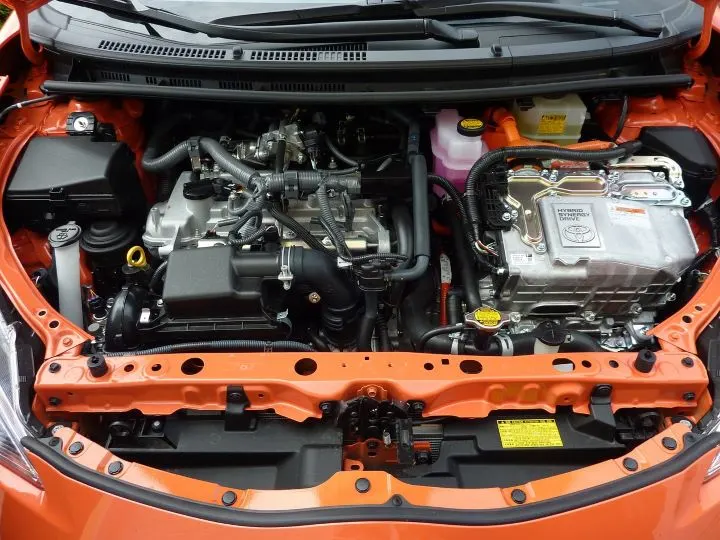
China holds much of the world’s supply of some EV battery materials, such as graphite.
Pixabay/Photoman
A group of Republican congressmen are calling on federal regulators to blacklist two Chinese battery manufacturers they say are using forced labor to make their products.
The lawmakers sent two letters to the Department of Homeland Security, saying that Chinese companies Gotion and CATL are using state-sponsored slave labor by minority populations and that they’ve expanded their U.S. presence.
Reps. John Moolenaar, R-Mich., Mark Green, R-Tenn., Carlos Gimenez, R-Fla, and Darin LaHood, R-Ill., and Sen. Marco Rubio, R-Fla., urged the department to add the companies to the “entity list” that bans from the U.S. products made by companies believed to be using forced labor.
The Biden administration has been separately taking steps to limit electric-vehicle batteries and battery materials from the U.S. market, in part by tying EV tax credits to vehicles with limited materials from Chinese and other “foreign entities of concern.” Last month, it did temporarily ease the restrictions to give U.S. automakers more time to comply.
China holds much of the world’s supply of some EV battery materials, such as graphite, but the U.S. is trying to speed development of domestic sources and battery manufacturing to eliminate dependence on its transpacific rival.
Moolenaar, chairman of the House Select Committee on the Chinese Communist Party, said in a statement on the letters, “The American people expect companies in the U.S. to avoid all involvement with the Chinese Communist Party’s campaign of genocide.”
Originally posted on Auto Dealer Today
More Industry
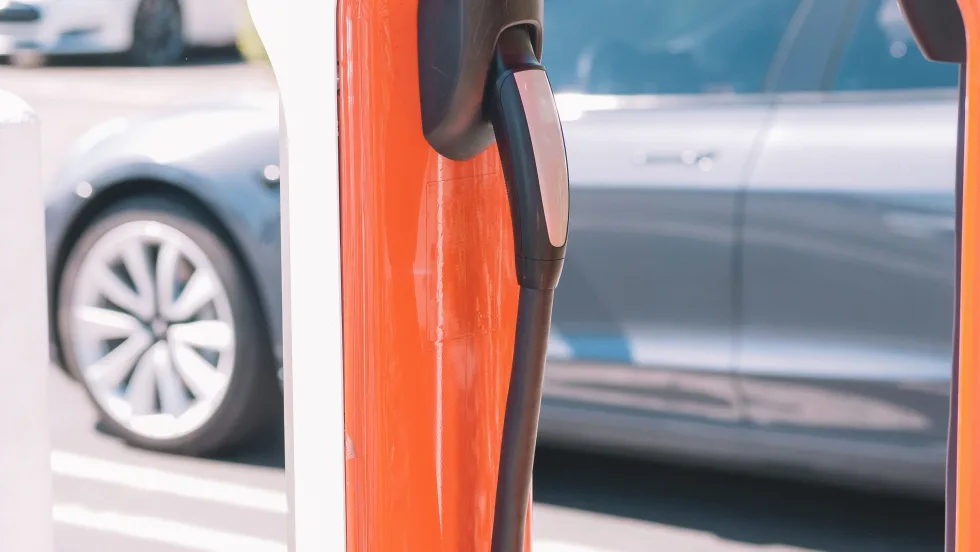
Charger Network Growth Slows
Despite a projected increase in public EV chargers in 2026, charging infrastructure remains a top concern for consumers as the gap between the most and least EV-friendly places remains substantial.
Read More →
Lenders, Consumers Take on More Auto Loan Risk
September records loosened credit access the most in over a decade as buyers took advantage of the conditions to afford trading, though loan applications fell.
Read More →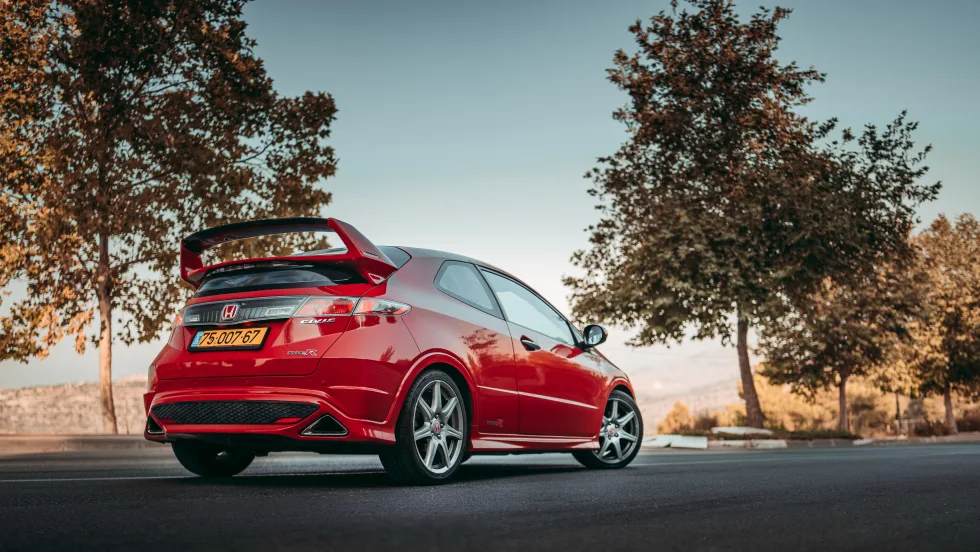
Next-Gen Hybrids in Sight
Dealerships can expect to see revamped hybrids from Honda next year as the company rolls out a new system and model lineup.
Read More →
Gem State Stores Change Hands
A larger auto group founded in the industry’s early years sold two franchises to a neighbor group that's on a growth spurt.
Read More →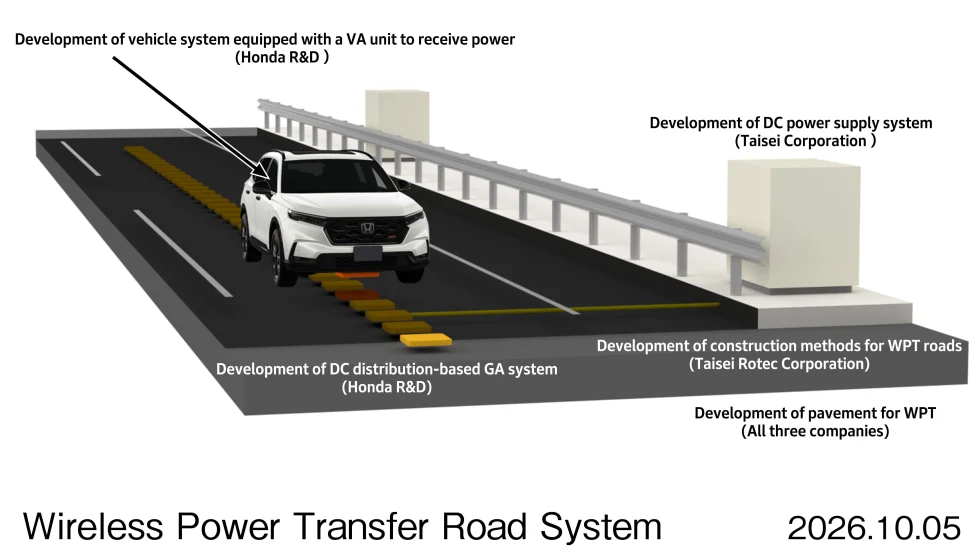
Charging In Motion
Honda has been researching wireless in-motion charging for electric vehicles since 2025, and new technology developments have put it a step closer to a final product.
Read More →
Twin Cities Stores Sell
Minnesota-based Walser Automotive Group made what it called the most significant acquisition in its history with a three-rooftop deal in Minneapolis.
Read More →
U.S. Auto Sales Still Below Prepandemic Levels
Mobility Global industry observers don’t expect the market to return to the higher volumes that became routine before Covid but to stay well below its potential.
Read More →
The Powertrain Shift
Electric-vehicle owners are backpedaling, according to new data, with product availability driving many to shift back to gas-powered engines.
Read More →
Achromatic Autos
The shades that dominate the U.S. car market don’t call attention to themselves, though grayscale may have plateaued after a 30-year upswing, research shows.
Read More →
Used-Vehicle Affordability Worsens
Listing prices in August defied seasonal trends, rising above $27,000 for the second time this year.
Read More →