


Nissan Raises Profit Outlook
The Japanese automaker forecasts operating profit for the fiscal year will hit 360 billion yen ($2.5 billion), up 100 billion yen from its July forecast.

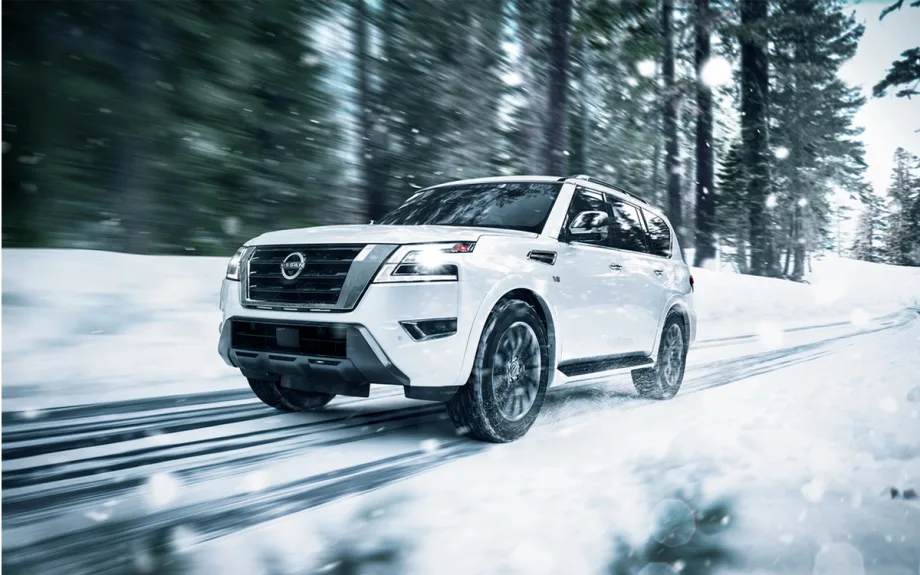
The Japanese automaker forecasts operating profit for the fiscal year will hit 360 billion yen ($2.5 billion), up 100 billion yen from its July forecast.
IMAGE: Nissan
A weak yen has buoyed Nissan Motor Co.’s profit outlook by boosting income amid a shortage of chips and supply-chain constraints that have curtailed production outputs.
The Japanese automaker forecasts operating profit for the fiscal year through March will hit 360 billion yen ($2.5 billion). That’s 100 billion more than the July forecast and exceeds analysts’ average estimate of 337 billion by 23 billion.
The yen’s historic decline has helped Japanese automakers as they face off against parts shortages and surging material costs. The currency slumped to a 32-year low against U.S. dollar in October and has lost about one-fifth of its value in the last 12 months. The decline makes Japanese vehicle exports more competitive abroad and boosts international earnings.
Nissan did revise its yen-dollar assumption for the year to 135 from 120 yen.
“Volatile currency movements cause various issues, and we would prefer more stability,” Chief Executive Officer Makoto Uchida noted in a press conference.
The forecast boosts expected revenue for the fiscal year to 10.9 trillion from the 10 trillion yen estimated previously, the automaker reported. Nissan did lower its global vehicle sales target from 4 million units to 3.7 million units. Bloomberg Intelligence analyst Tatsuo Yoshida suggests the new target means Nissan will need to assemble 2.13 million vehicles in the second fiscal half. This is doable if production stays on track, is a target that could be easy to miss, he says.
Nissan shares have fallen 11% this year. The automaker is considering raising its dividend.
Operating profit in the second quarter hit 91.7 billion, compared with analysts’ average estimate of 85 billion. Sales rose 30% from 2021 in the latest quarter to 2.52 trillion yen.
Nissan’s alliance partner Renault SA recently reported that talks to reboot a two-decade-old alliance continue, even after the French carmaker moved ahead with plans to carve out its electric vehicle (EV) business.
Honda Motor Co. also has raised its profit outlook because of similar factors. Toyota Motor Corp. has lowered its production targets because of the semiconductor chip shortage while sticking to a conservative profit outlook. Mitsubishi Motors Corp., part of the alliance with Nissan and Renault, also upgraded its operating profit target.
Originally posted on Auto Dealer Today
More Industry

Charger Network Growth Slows
Despite a projected increase in public EV chargers in 2026, charging infrastructure remains a top concern for consumers as the gap between the most and least EV-friendly places remains substantial.
Read More →
Lenders, Consumers Take on More Auto Loan Risk
September records loosened credit access the most in over a decade as buyers took advantage of the conditions to afford trading, though loan applications fell.
Read More →
Next-Gen Hybrids in Sight
Dealerships can expect to see revamped hybrids from Honda next year as the company rolls out a new system and model lineup.
Read More →
Gem State Stores Change Hands
A larger auto group founded in the industry’s early years sold two franchises to a neighbor group that's on a growth spurt.
Read More →
Charging In Motion
Honda has been researching wireless in-motion charging for electric vehicles since 2025, and new technology developments have put it a step closer to a final product.
Read More →
Twin Cities Stores Sell
Minnesota-based Walser Automotive Group made what it called the most significant acquisition in its history with a three-rooftop deal in Minneapolis.
Read More →
U.S. Auto Sales Still Below Prepandemic Levels
Mobility Global industry observers don’t expect the market to return to the higher volumes that became routine before Covid but to stay well below its potential.
Read More →
The Powertrain Shift
Electric-vehicle owners are backpedaling, according to new data, with product availability driving many to shift back to gas-powered engines.
Read More →
Achromatic Autos
The shades that dominate the U.S. car market don’t call attention to themselves, though grayscale may have plateaued after a 30-year upswing, research shows.
Read More →
Used-Vehicle Affordability Worsens
Listing prices in August defied seasonal trends, rising above $27,000 for the second time this year.
Read More →