


Senate Committee Sends Auto Safety Bill to Floor for Vote

WASHINGTON - The Senate Commerce Committee voted to pass a far-reaching vehicle safety bill that has largely won both automaker and consumer support, sending the measure to the full Senate, reported Automotive News.
The bill passed without objections from any senators.
The legislation, crafted in the wake of Toyota's safety recalls this year, resembles a House bill that also is now on the floor of that chamber.
Auto-industry lobbyists have said they expect Congress to pass the legislation sometime this summer and that President Barack Obama will sign it.
The Senate panel headed by U.S. Sen. Jay Rockefeller, D-W.Va., today approved a number of bill revisions that were sought by the auto industry.
“This is a critical public safety bill that will affect the lives of millions of Americans on the road every day,” Rockefeller said at the hearing.
Both the House and Senate bills would require installation of brake override systems and event data recorders, or black boxes, in new vehicles, following the sudden-acceleration problems of Toyota Motor Corp.
They also would require the National Highway Traffic Safety Administration to consider changes in pedal placement, performance standards for electronic systems, safety standards for pushbutton ignition systems, and transmission labeling standards.
Maximum fines for safety violations would be raised from $16.4 million to $200 million in the House bill and $300 million in the Senate legislation.
NHTSA also would have the authority under both bills to order immediate recalls in the event of an “imminent hazard,” subject to administrative appeal by the automaker.
Both bills also would impose revolving-door restrictions on NHTSA officials who go to work for the auto industry and seek to lobby the federal agency.
Information about safety defects would be made more transparent to consumers under both measures, although consumer advocates have complained that they don't go far enough.
Funding for NHTSA would double to $280 million in three years under both measures, though Congress would have to approve separate appropriations measures if the increases are to go through.
The main point of contention between the bills is that the House measure would phase in a $9-a-vehicle fee on manufacturers to help beef up funding for NHTSA, while the Senate measure doesn't have this provision.
Manufacturers oppose the fee, and consumer advocates favor it.
“The user fee falls outside of the budgetary process that NHTSA and the rest of the administration has to go through,” said Annemarie Pender, a spokeswoman for the Association of International Automobile Manufacturers.
“NHTSA's operations should continue to get its funding through the appropriations process -- not tax automobile consumers to fund the agency.”
More Industry
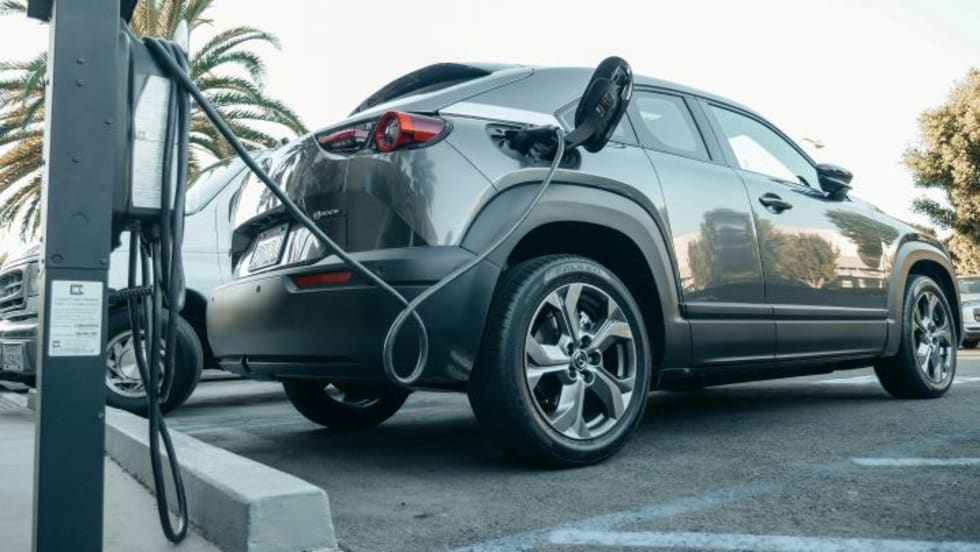
World EV Adoption Set to Grow
A new report says the segment, despite recent setbacks in some regions, is poised for acceleration as many countries look to reduce pollution.
Read More →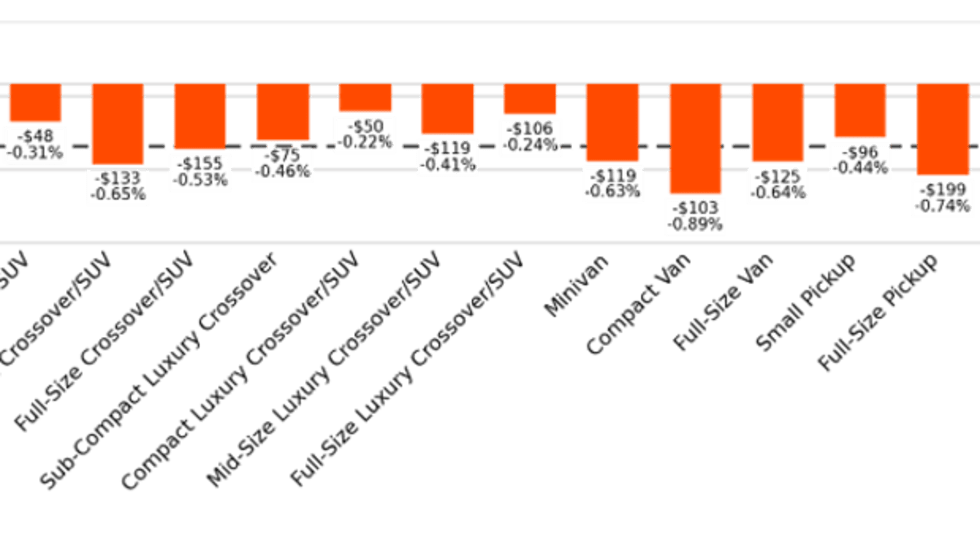
Black Book: Weekly Market Update
Wholesale automotive auction business stayed steady last week as bidders encountered lower prices, analysts observed.
Read More →
Pricing Transparency Drives Purchase Consideration
An annual study by JD Power found that clear pricing matters to consumers on automaker websites, so much so that it increases their purchase consideration.
Read More →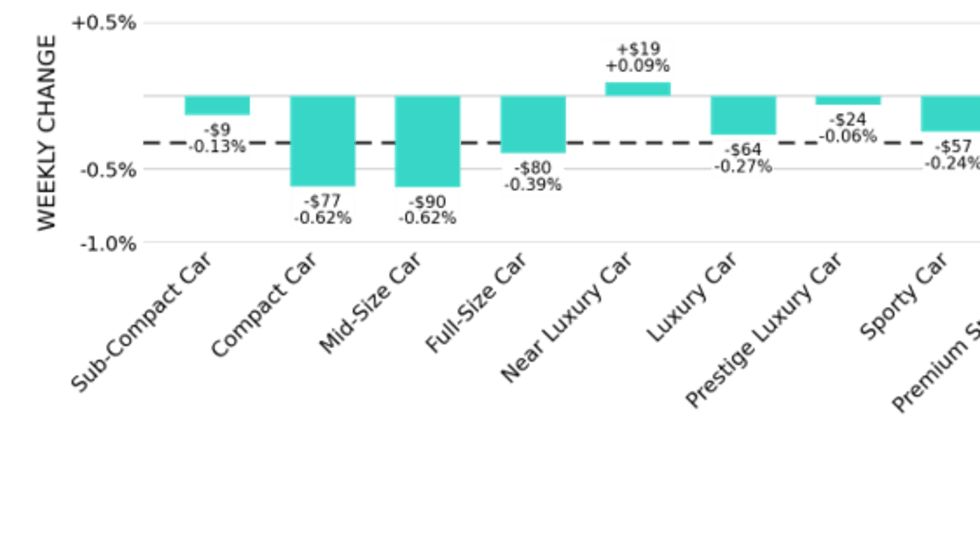
Black Book: Weekly Market Update
Used-vehicle market depreciation was the prevailing story in the wholesale market last week.
Read More →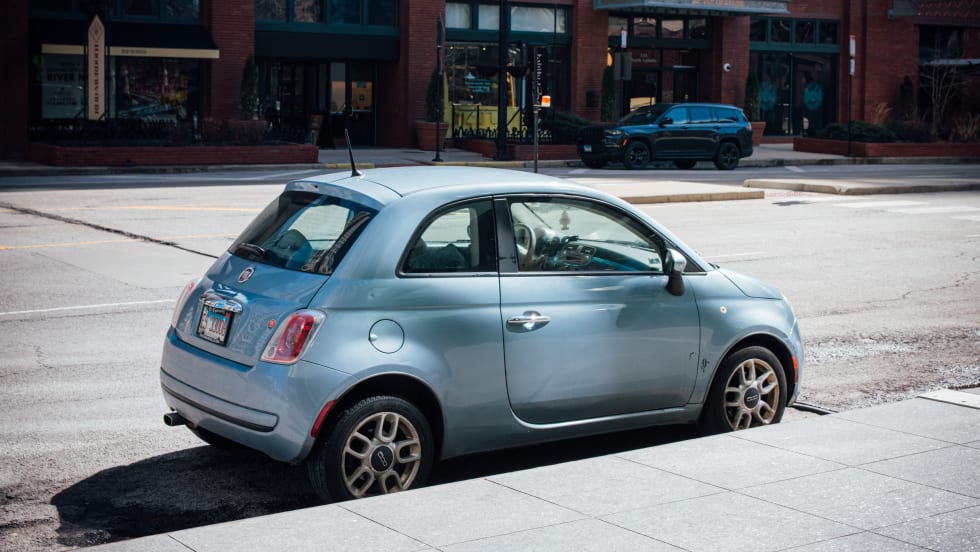
Smaller Is Looking Better
A growing number of Americans in the market for a new vehicle are opting for more affordable options, not waiting for market stability to bite the bullet.
Read More →
U.S. EV Market Slowly Stabilizes
U.S. electric-vehicle interest is slowly stabilizing since a major dip in sales after last year's end of the federal EV tax credit, and hybrids remain the leading electrified power train.
Read More →
Global EV Market Entering New Phase
Automakers are making investments to lower battery costs and optimize production to meet changing consumer needs.
Read More →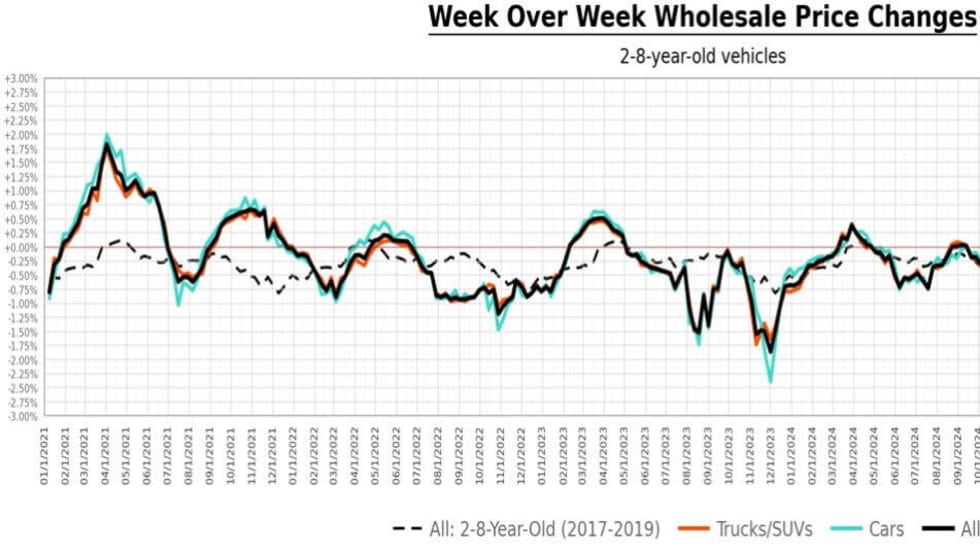
Black Book Weekly Market Update
The holiday weekend, not surprisingly, put a drag on wholesale automotive activity last week, analysts observed.
Read More →
Auto Affordability in Context
Cox Automotive points out the complex circumstances that have led to eye-popping vehicle prices.
Read More →
Black Book: Weekly Market Update
Automotive auction inventory increased last week, giving choosy bidders even more leeway.
Read More →