


Tesla Sales Rules Must Favor Consumers, Not Dealers: FTC

Via Bloomberg
States looking at challenges to Tesla Motors (TSLA) Inc.’s direct-sales model should put consumers’ needs ahead of auto dealers’ interests, three top staff members of the U.S. Federal Trade Commission said.
As Tesla fights state by state for the right to sell its electric cars to consumers over the Internet without dealers, officials should consider the potential harm of banning challenges to existing industries and sales models, the directors said in a post on the agency’s blog today. The FTC has responsibilities on a national scale to promote business competition and protect consumers.
“Consumers can benefit from change,” the officials said. “Regulators should differentiate between regulations that truly protect consumers and those that protect the regulated.”
Tesla, led by Chief Executive Officer Elon Musk, is appealing New Jersey’s ban on direct sales in state court. Texas, Arizona, Virginia and Maryland have also passed laws barring the Palo Alto, California-based company’s dealer-free system. Ohio and New York have passed measures negotiated with dealers that limit the number of company-owned stores.
“We didn’t get into this debate by choice, and we didn’t pursue the direct-sales model to disrupt traditional dealer practices,” Diarmuid O’Connell, Tesla’s vice president of business development, said in a phone interview.
“Statutes that may have been created to protect consumers many years ago have been implemented mainly to protect the dealer body in many states,” he said.
The electric-car maker is studying its options to overturn bans on direct sales, O’Connell said. The company “agrees wholeheartedly” with the sentiments expressed in the FTC blog, he said.
‘Simple Right’
The blog item was written by three FTC directors: Andy Gavil of the policy planning office, Debbie Feinstein of the bureau of competition, and Marty Gaynor of the economics bureau. The officials said they were expressing their own opinions, not that of the commission or any of its voting members.
Tesla accounted for a little over 22,000 of more than 15 million cars sold in the U.S. in 2013, the FTC officials noted. The volume “hardly presents a serious competitive threat” to established dealers, they said.
The model may be attractive to other manufacturers, and this has led to jurisdiction-by-jurisdiction battles “for the simple right to sell its automobiles directly to consumers,” they said.
The company has said rules restricting direct car sales were created to protect dealers from unfair competition and mistreatment by manufacturers of the brands they sold. Since Tesla has no franchised dealers, it argues such rules shouldn’t apply to its retail operations.
Tesla fell 0.1 percent to $207.82 at 2:06 p.m. in New York. The shares rose 38 percent this year through yesterday.
More Industry
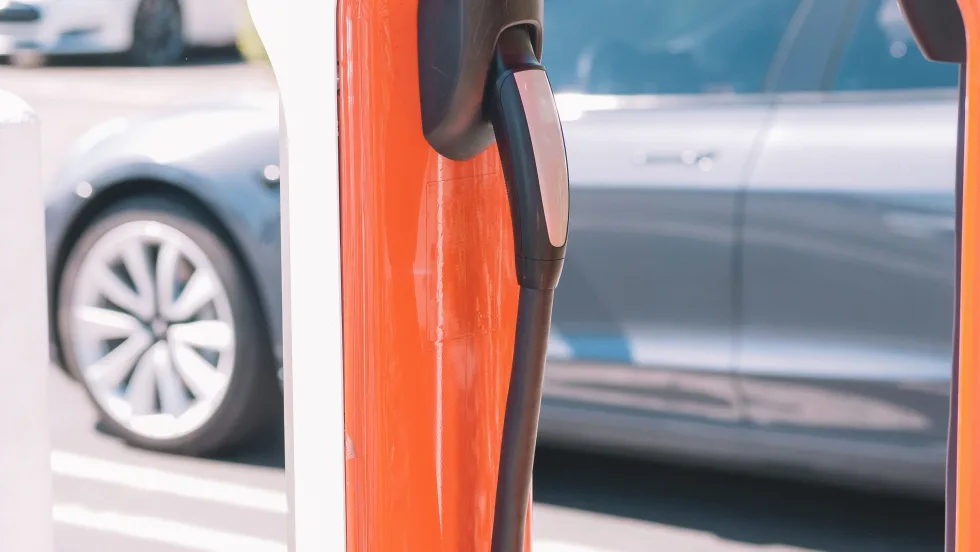
Charger Network Growth Slows
Despite a projected increase in public EV chargers in 2026, charging infrastructure remains a top concern for consumers as the gap between the most and least EV-friendly places remains substantial.
Read More →
Lenders, Consumers Take on More Auto Loan Risk
September records loosened credit access the most in over a decade as buyers took advantage of the conditions to afford trading, though loan applications fell.
Read More →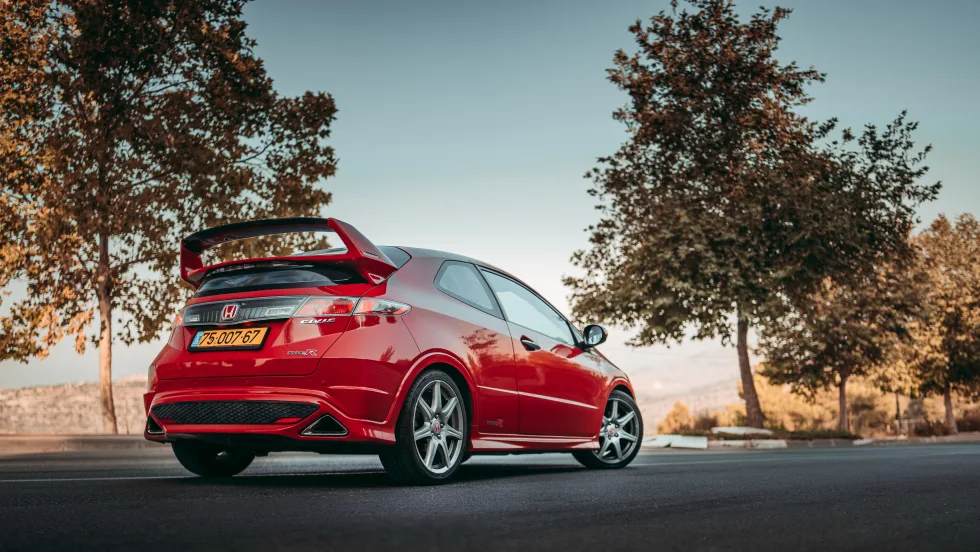
Next-Gen Hybrids in Sight
Dealerships can expect to see revamped hybrids from Honda next year as the company rolls out a new system and model lineup.
Read More →
Gem State Stores Change Hands
A larger auto group founded in the industry’s early years sold two franchises to a neighbor group that's on a growth spurt.
Read More →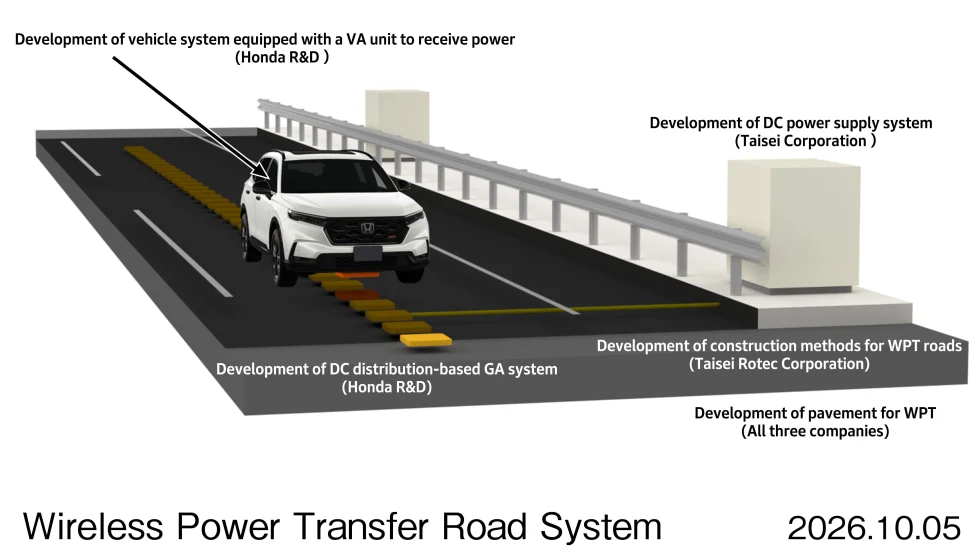
Charging In Motion
Honda has been researching wireless in-motion charging for electric vehicles since 2025, and new technology developments have put it a step closer to a final product.
Read More →
Twin Cities Stores Sell
Minnesota-based Walser Automotive Group made what it called the most significant acquisition in its history with a three-rooftop deal in Minneapolis.
Read More →
U.S. Auto Sales Still Below Prepandemic Levels
Mobility Global industry observers don’t expect the market to return to the higher volumes that became routine before Covid but to stay well below its potential.
Read More →
The Powertrain Shift
Electric-vehicle owners are backpedaling, according to new data, with product availability driving many to shift back to gas-powered engines.
Read More →
Achromatic Autos
The shades that dominate the U.S. car market don’t call attention to themselves, though grayscale may have plateaued after a 30-year upswing, research shows.
Read More →
Used-Vehicle Affordability Worsens
Listing prices in August defied seasonal trends, rising above $27,000 for the second time this year.
Read More →