


Used-Vehicle Prices Rise Again
February increase biggest gain for month since 2009; used retail sales fall.

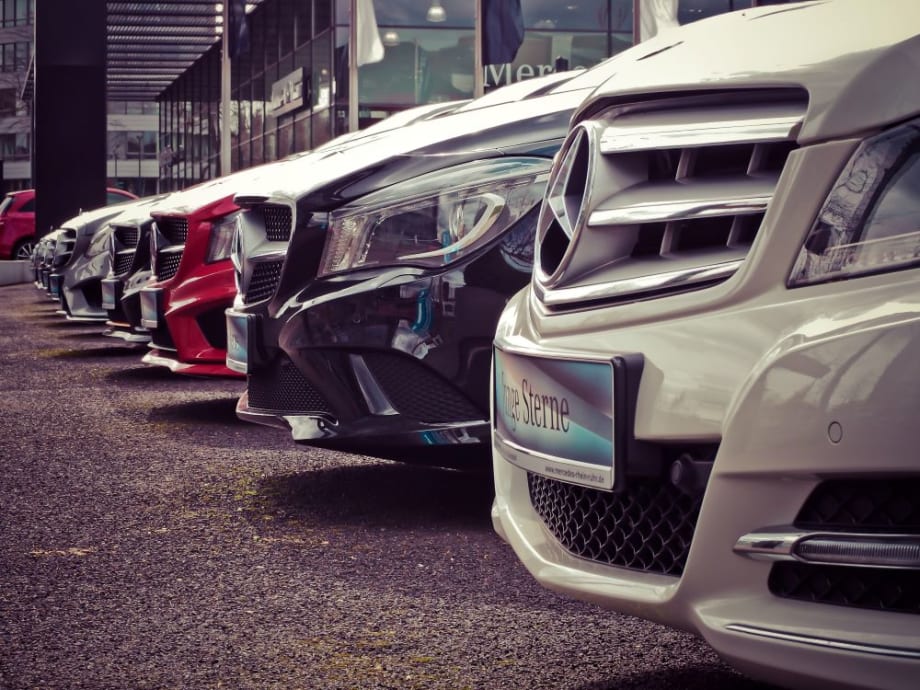
The eight major vehicle segments experienced 'significant' month-over-month price increases.
IMAGE: Pixabay
Used-car prices, which had been trending downward from record highs, are now headed back in the other direction.
Cox Automotive data for February wholesale used-vehicle prices on a mix, mileage and seasonally adjusted basis show they jumped 4.3%, the biggest month-over-month increase in February in nearly 15 years and the third consecutive monthly bump. The non-seasonally adjusted increase was 3.7%.
That was down 7% year-over-year from historic highs achieved during pandemic-caused supply constraints that led to decreased production.
Increased prices, coupled with rising interest rates, don’t bode well for sales. In fact, February retail used-vehicle sales fell 5% month-over-month and 9% year-over-year.
The pressure interest rates bring to the automotive market shows no signs of easing, either, as Federal Reserve Chairman Jerome Powell advised in early March that rates will likely keep climbing because inflation deceleration has reversed.
The used-car price swells may reflect the broader economic conditions, as the Biden administration has considered them a measure of weakening inflation.
Used-vehicle prices rose during the pandemic along with those for new vehicles as consumers who’d normally buy new models switched to used to save money.
Cox's Manheim Used Vehicle Value Index, which tracks prices of used models sold at its U.S. wholesale auctions, rose to 234.5. Retail prices typically follow wholesale price fluctuations.
The average daily sales conversion rate increased in February to 64.3%, above normal for the time of year, said Cox, which interprets that to mean sellers had more pricing power than is typical for early in the year.
The eight major vehicle segments experienced “significant” month-over-month price increases in February, Cox said, gaining from 3.3% to 5.9%.
The trend may have been reflected on some level in the Conference Board Consumer Confidence Index, which fell about 3% during the month. The index showed that views of current conditions actually improved, though future expectations decreased 8.3%, and plans to buy a vehicle in the following six months fell to the lowest level since November 2021.
Originally posted on Auto Dealer Today
More Industry

Charger Network Growth Slows
Despite a projected increase in public EV chargers in 2026, charging infrastructure remains a top concern for consumers as the gap between the most and least EV-friendly places remains substantial.
Read More →
Lenders, Consumers Take on More Auto Loan Risk
September records loosened credit access the most in over a decade as buyers took advantage of the conditions to afford trading, though loan applications fell.
Read More →
Next-Gen Hybrids in Sight
Dealerships can expect to see revamped hybrids from Honda next year as the company rolls out a new system and model lineup.
Read More →
Gem State Stores Change Hands
A larger auto group founded in the industry’s early years sold two franchises to a neighbor group that's on a growth spurt.
Read More →
Charging In Motion
Honda has been researching wireless in-motion charging for electric vehicles since 2025, and new technology developments have put it a step closer to a final product.
Read More →
Twin Cities Stores Sell
Minnesota-based Walser Automotive Group made what it called the most significant acquisition in its history with a three-rooftop deal in Minneapolis.
Read More →
U.S. Auto Sales Still Below Prepandemic Levels
Mobility Global industry observers don’t expect the market to return to the higher volumes that became routine before Covid but to stay well below its potential.
Read More →
The Powertrain Shift
Electric-vehicle owners are backpedaling, according to new data, with product availability driving many to shift back to gas-powered engines.
Read More →
Achromatic Autos
The shades that dominate the U.S. car market don’t call attention to themselves, though grayscale may have plateaued after a 30-year upswing, research shows.
Read More →
Used-Vehicle Affordability Worsens
Listing prices in August defied seasonal trends, rising above $27,000 for the second time this year.
Read More →