


COVID-19 Shutters Production in China
Tesla Inc. has had to shut down its plant in Shanghai for a total of 12 production days in recent weeks because of China’s COVID-19 lockdowns.


Wikipedia
Tesla Inc. has had to shut down its plant in Shanghai for a total of 12 production days in recent weeks because of China’s COVID-19 lockdowns.
A shortage of truck drivers has semiconductor chips piling up at manufacturers. Bankers are even camping out in their offices as COVID cases build.
Shanghai has become the epicenter of China’s worst outbreak since the pandemic began and the city’s lockdown has been extended indefinitely. China maintains a rigid Covid-Zero containment policy, though President Xi Jinping seeks to limit the economic consequences of these lockdowns.
Containment measures and lockdowns threaten to slow China’s economic growth in 2022, falling below the government’s 5.5% target, according to Bloomberg Economics. The country also risks further havoc on stressed supply chains.
Anonymous sources report Tesla plans to keep its Shanghai factory closed through April 7.
The shutdowns are wreaking havoc on production. The Shanghai Gigafactory produced half of the company’s vehicles last year, and builds cars not for China, Europe and elsewhere in Asia.
Some companies, including chip giants Taiwan Semiconductor Manufacturing Co. and SMIC, and iPhone assembler Pegatron Corp. have kept plants running by implementing a closed loop system where workers live on-site and get tested regularly. These companies now report struggles in getting trucks to move their chips to clients.
Singapore’s Spindex Industries Ltd., which supplies precision components to the automobile industry, extended closures at its Shanghai plant until April 10 or whenever local authorities allow work to resume. The company expects expected the measures to negatively impact its financial performance.
BWM has halted production in the northern Chinese city of Shenyang for two weeks after a lockdown last month in an attempt to limit the spread of Covid-19.
The German automaker has suspended production at both factories in the Liaoning province since March 24, after the municipal government imposed stricter controls over residents starting March 22.
The factories produce the BMW 3 and 5 Series and have a total of annual production capacity of about 700,000 units.
Originally posted on Auto Dealer Today
More Industry

Charger Network Growth Slows
Despite a projected increase in public EV chargers in 2026, charging infrastructure remains a top concern for consumers as the gap between the most and least EV-friendly places remains substantial.
Read More →
Lenders, Consumers Take on More Auto Loan Risk
September records loosened credit access the most in over a decade as buyers took advantage of the conditions to afford trading, though loan applications fell.
Read More →
Next-Gen Hybrids in Sight
Dealerships can expect to see revamped hybrids from Honda next year as the company rolls out a new system and model lineup.
Read More →
Gem State Stores Change Hands
A larger auto group founded in the industry’s early years sold two franchises to a neighbor group that's on a growth spurt.
Read More →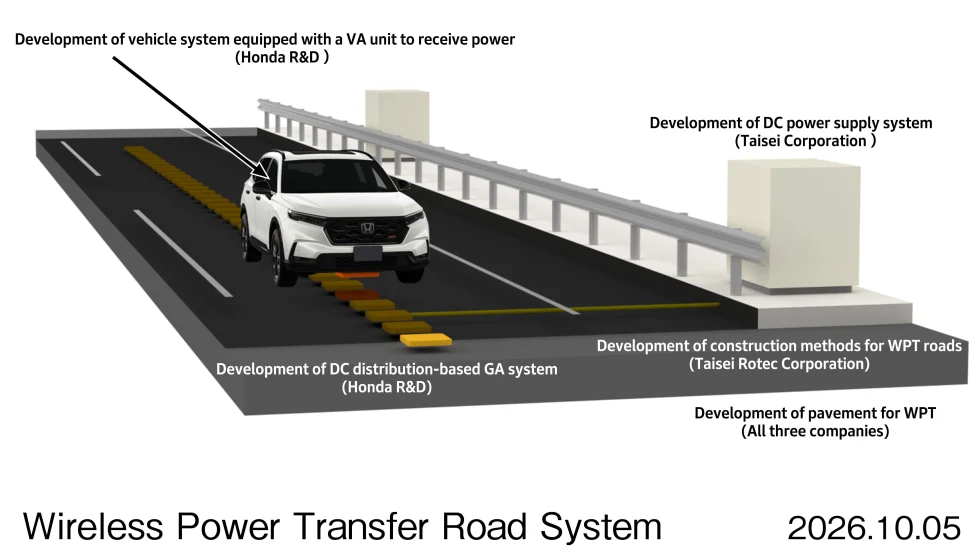
Charging In Motion
Honda has been researching wireless in-motion charging for electric vehicles since 2025, and new technology developments have put it a step closer to a final product.
Read More →
Twin Cities Stores Sell
Minnesota-based Walser Automotive Group made what it called the most significant acquisition in its history with a three-rooftop deal in Minneapolis.
Read More →
U.S. Auto Sales Still Below Prepandemic Levels
Mobility Global industry observers don’t expect the market to return to the higher volumes that became routine before Covid but to stay well below its potential.
Read More →
The Powertrain Shift
Electric-vehicle owners are backpedaling, according to new data, with product availability driving many to shift back to gas-powered engines.
Read More →
Achromatic Autos
The shades that dominate the U.S. car market don’t call attention to themselves, though grayscale may have plateaued after a 30-year upswing, research shows.
Read More →
Used-Vehicle Affordability Worsens
Listing prices in August defied seasonal trends, rising above $27,000 for the second time this year.
Read More →